
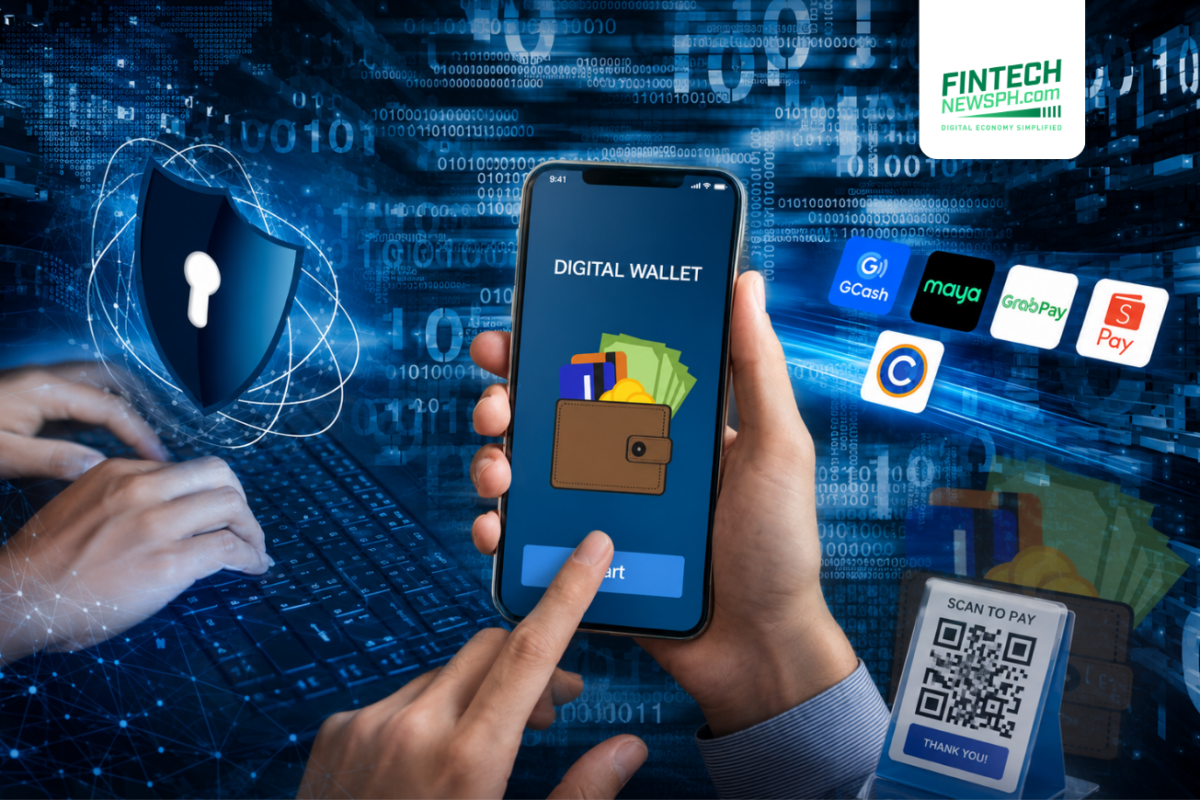
Cyber threats targeting Filipino e-wallet users are becoming more sophisticated as digital payments continue to gain widespread adoption across the country.
With millions of Filipinos using digital wallets to pay bills, shop online, transfer funds, and receive salaries, cybercriminals are increasingly exploiting these platforms through phishing schemes, fake loan apps, SIM swap attacks, malicious QR codes, and AI-generated fraud.
As the Philippines strengthens its digital payments ecosystem, the methods used by scammers are evolving just as quickly. Rather than relying solely on fake prize messages or suspicious links, fraudsters are now leveraging advanced technologies to create more convincing scams that are harder to detect.
Cybersecurity experts warn that staying informed about these emerging threats has become just as important as adopting digital financial services themselves.
The new face of e-wallet fraud
The rapid growth of digital payments has made e-wallet users increasingly attractive targets for cybercriminals. Recent cybersecurity reports show that phishing attacks have become more convincing, with scammers creating fake banking websites, cloned mobile applications, and fraudulent customer support channels that closely resemble legitimate services.
Artificial intelligence has further raised the stakes. AI-generated emails, messages, and even voice calls can imitate trusted brands or financial institutions, making it increasingly difficult for users to distinguish legitimate communications from scams.
Unlike traditional phishing attempts that often contained obvious spelling mistakes or suspicious links, many of today’s scams are polished enough to appear genuine at first glance. This has significantly increased the chances of unsuspecting users falling victim to financial fraud.
Five cyber threats every user should know
- Phishing attacks remain one of the most common scams affecting digital wallet users. Fraudsters send fake SMS messages, emails, or social media posts pretending to come from banks or e-wallet providers. Victims are redirected to counterfeit login pages where usernames, passwords, and one-time passwords (OTPs) are stolen.
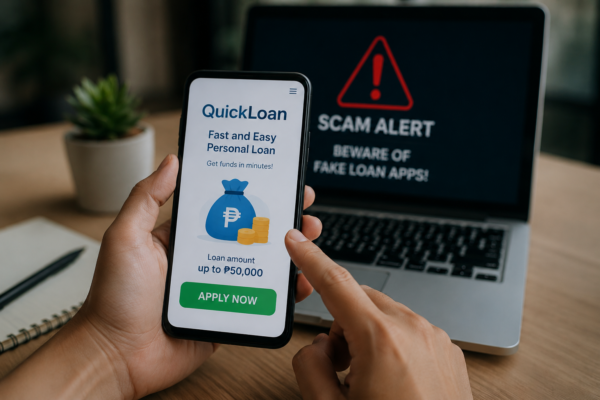
- Fake loan applications continue to target Filipinos by promising instant approvals with minimal requirements. Many of these apps request unnecessary access to contacts, photos, and device data, which may later be used for harassment, identity theft, or financial fraud.
- SIM swap attacks occur when criminals fraudulently transfer a victim’s mobile number to another SIM card. Once successful, they can intercept OTPs and gain access to online banking and e-wallet accounts linked to the compromised phone number.
- QR code scams have also become more common as QR payments gain popularity. Fraudsters may replace legitimate merchant QR codes with fake ones or distribute malicious QR codes that redirect victims to phishing websites or fraudulent payment pages.
- AI-generated fraud is rapidly emerging as one of today’s biggest cybersecurity challenges. Cybercriminals now use artificial intelligence to create convincing phishing messages, fake customer support chats, cloned websites, and synthetic voices that imitate trusted organizations.
Deepfake technology is also beginning to appear in fraud attempts, allowing scammers to create realistic audio or video impersonations that can deceive victims into revealing sensitive financial information or authorizing transactions.
How financial institutions are responding
As cyber threats continue to evolve, banks, e-wallet providers, and fintech companies are strengthening their security measures to better protect users. Many financial institutions now use artificial intelligence and machine learning to detect unusual transaction patterns, identify potential fraud in real time, and flag suspicious account activity before unauthorized transactions are completed.

Several providers have also introduced stronger identity verification methods, including biometric authentication, device recognition, and in-app approval systems, reducing their reliance on one-time passwords (OTPs), which can be intercepted through phishing or SIM swap attacks.
At the same time, regulators continue to encourage financial institutions to strengthen cybersecurity standards and educate consumers about emerging digital threats.
Despite these advancements, experts emphasize that technology alone cannot eliminate fraud. Cybersecurity remains a shared responsibility between service providers and users, making continuous awareness and safe online practices essential in preventing financial losses.
Cyber threats continue to rise
Cybersecurity Cybersecurity researchers continue to observe an increase in phishing campaigns targeting Philippine internet users. Reports have also highlighted the growing use of AI in fraud schemes, enabling scammers to personalize attacks and make fraudulent messages appear more authentic.
The growing sophistication of these attacks underscores the need for closer collaboration among financial institutions, regulators, telecommunications providers, and consumers. Strengthening digital security requires not only better technology but also greater public awareness and faster information sharing when new threats emerge.
Staying one step ahead
The evolution of digital finance has brought greater convenience, but it has also introduced new cybersecurity challenges. As e-wallet scams and cyber threats become more advanced, consumers should remain cautious by verifying website addresses, avoiding unofficial applications, enabling available security features, and never sharing OTPs or account credentials.
While financial institutions continue investing in fraud detection technologies and stronger identity verification systems, consumer awareness remains one of the most effective defenses.
Simple habits — such as downloading apps only from official app stores, regularly updating device software, enabling biometric authentication where available, and verifying unexpected payment requests through official customer service channels — can significantly reduce the risk of becoming a victim.
As digital payments become increasingly embedded in everyday life, understanding today’s cyber threats will be essential to keeping personal information and finances secure.
The continued growth of digital finance will depend not only on innovation but also on trust. Protecting that trust requires financial institutions, regulators, technology providers, and consumers to remain equally committed to staying ahead of an increasingly sophisticated threat landscape.