
Child online safety is taking a stronger turn in the Philippines as government agencies, telecommunications companies, law enforcement, schools and private-sector groups work together to address growing digital threats facing young users.
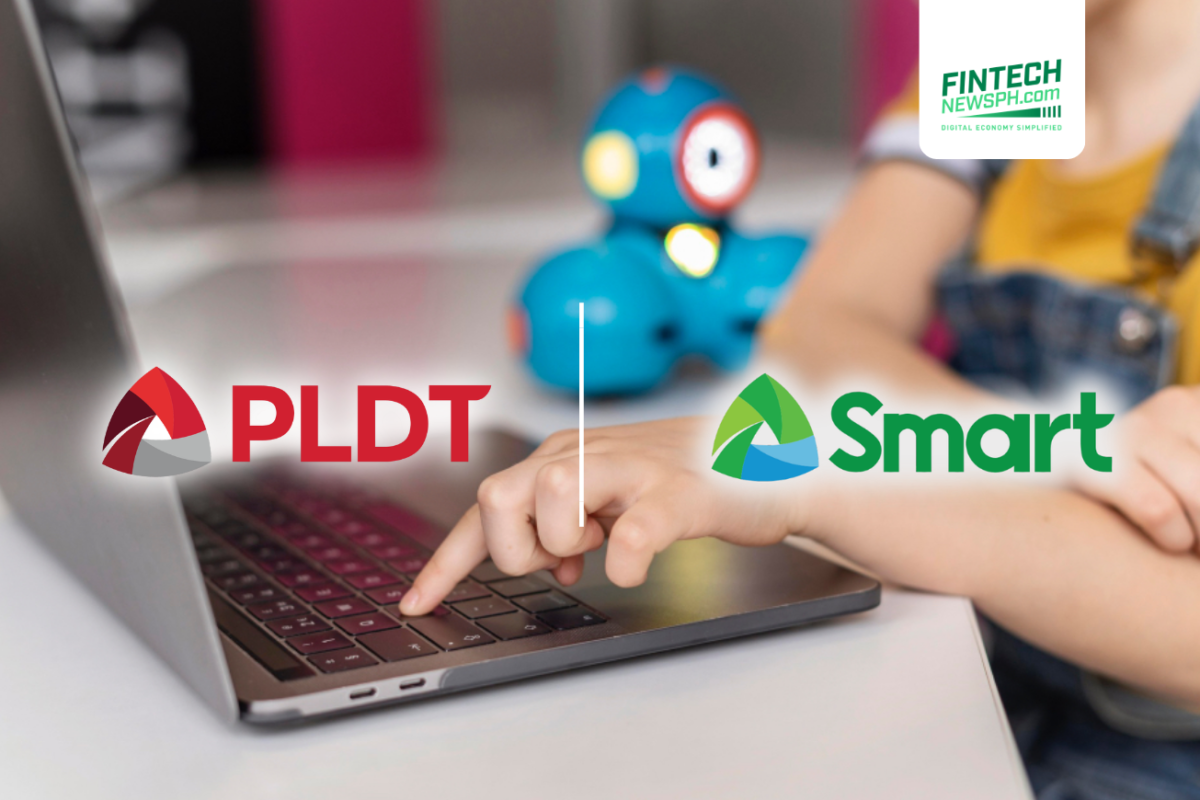
PLDT and Smart Communications are blocking more than 100 websites found to be hosting or streaming footage of school shootings and other extreme violence. The move forms part of a broader push to strengthen safeguards against harmful online content and protect children from digital environments that could expose them to violence, exploitation and other risks.
The effort comes as concerns over children’s exposure to violent online content and harmful digital communities grow following recent school shooting incidents in the country. Beyond physical school security, authorities and industry stakeholders are increasingly looking at what young people encounter online and how digital platforms can be used to spread or amplify harmful material.
PLDT and Smart take action at network level
PLDT and Smart said the blocking of more than 100 identified websites is being implemented at the network level, preventing their subscribers from accessing sites found to be streaming or hosting footage of school shootings and extreme violence.
The list is expected to expand as additional websites are identified through monitoring and coordination with government agencies, child protection organizations and parenting communities. This allows the telcos to respond not only to known threats but also to newly discovered sources of harmful content.

The approach builds on wider efforts by Philippine telecommunications and internet service providers to use network-level safeguards against harmful online material. The Department of Information and Communications Technology (DICT) has also been coordinating with the National Telecommunications Commission (NTC), law enforcement agencies, telcos, internet service providers and digital platforms to improve threat monitoring and information-sharing.
For PLDT, the issue is not simply about the volume of content being blocked. The company said even protecting a single child is enough reason to take action.
“Telcos are not here to play God. We’re here to protect the kids,” PLDT Chief Operating Officer Menardo G. Jimenez Jr. said.
Digital threats go beyond violent content
The push for safer online spaces extends beyond websites showing extreme violence.
Children can face a wide range of digital risks, including online grooming, exploitation, cyber threats and communities that target vulnerable young people. Stakeholders at the multi-sectoral forum organized by PROTECTA Pilipinas said these challenges require cooperation across government, law enforcement, technology companies, schools, families and communities.
PROTECTA Pilipinas, an alliance spearheaded by PLDT, brings together different sectors to address online violence, child exploitation and digital safety. Its recent forum brought government, industry, education, law enforcement, media and community stakeholders together to discuss how child protection needs to evolve alongside emerging digital threats.
The Department of Information and Communications Technology has likewise emphasized that online safety requires a shared responsibility between government and industry. Other providers have also strengthened their safeguards. Globe, for example, reported blocking 438,446 domains related to child sexual abuse and exploitation materials in 2025, while Converge reported blocking nearly 12 billion attempts to access harmful websites during the same year.
Protecting children cannot stop at blocking sites

Network blocking can limit exposure to harmful material, but stakeholders say it is only one part of a much larger child online safety strategy.
Updated policies, stronger enforcement, platform accountability, responsible content creation, mental health support, digital education and parental guidance are also needed as children spend more time connected to the internet.
Council for the Welfare of Children Undersecretary Angelo Tapales stressed that children should not be left to manage online risks on their own. Adults, institutions and technology providers have a responsibility to create environments where young people can remain connected without having to choose between access and safety.
Building a safer digital environment
The latest initiatives signal a shift in how the Philippines approaches child online protection. Rather than treating harmful content as a problem for parents or young users alone, government and industry are increasingly taking responsibility for the systems that allow such content to circulate.
For telecommunications companies, that means using their networks as another layer of protection. For government, it means keeping policies and enforcement mechanisms aligned with rapidly changing digital threats.
As more Filipino children grow up connected, child online safety will increasingly depend on how well these sectors work together to make digital spaces safer by design, not simply safer after harm has already occurred.