Philippine dollar reserves increased to $104.8 billion in August, giving the country a larger foreign exchange buffer just as the peso was trading near record lows against the US dollar.
At first glance, those two developments may appear contradictory. If the Philippines has more than $100 billion in international reserves, why can the peso still weaken?
The answer is that gross international reserves, or GIR, are primarily a financial safety buffer. They give the Bangko Sentral ng Pilipinas the capacity to respond to external shocks and excessive currency volatility, but they are not meant to keep the peso at a fixed exchange rate.
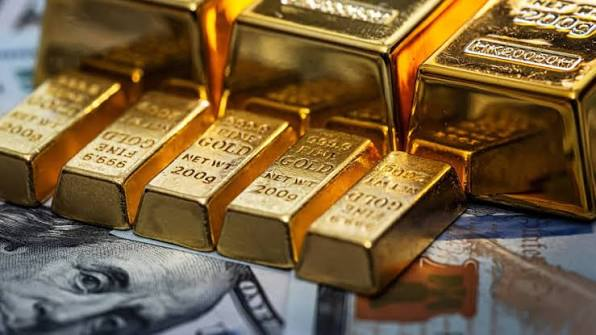
According to data from the BSP reported by the Philippine News Agency, the country’s GIR increased to $104.8 billion at the end of August from $103.3 billion in July. The increase was mainly driven by higher valuations of the central bank’s gold holdings as international gold prices rose, as well as income from its investments abroad.
The reserve level is enough to cover about 6.8 months of imports of goods and payments for services and primary income. It is also equivalent to around 3.7 times the country’s short-term external debt based on residual maturity.
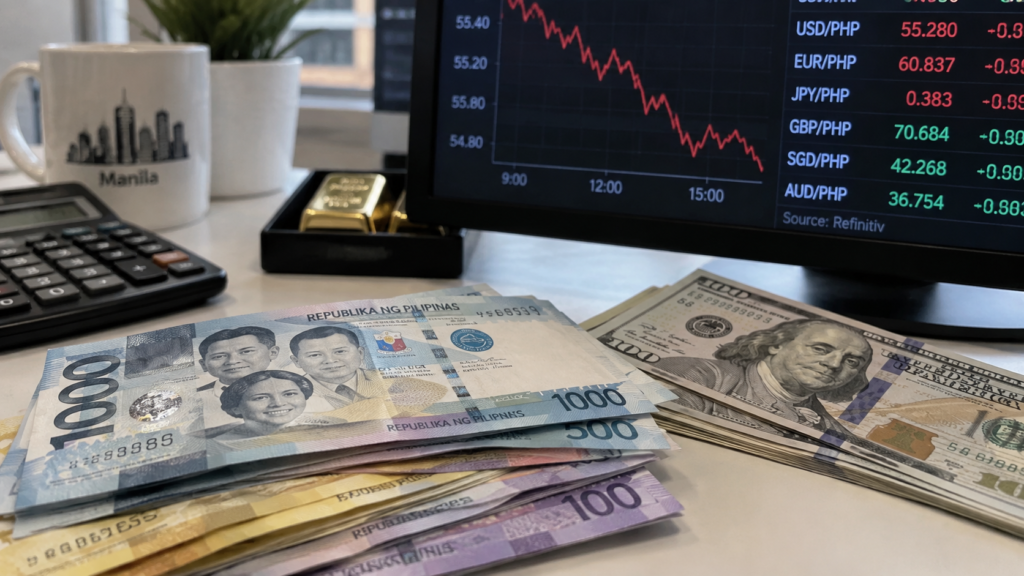
Yet on September 8, the peso closed at ₱62.625 to the dollar, another record closing low, based on Bankers Association of the Philippines data.
What exactly are the Philippines’ dollar reserves?
Despite often being called “dollar reserves,” GIR is not simply a giant bank account filled with US currency.
The reserve stock includes foreign-denominated securities, foreign exchange and other reserve assets held by the BSP, including gold.
That distinction is especially relevant to the August increase.
Part of the rise in GIR came from an upward revaluation of the BSP’s gold holdings as international gold prices increased. In other words, the value of an asset already held by the BSP became higher. It does not necessarily mean the same amount of fresh foreign currency flowed into the country during the month.
This is one reason movements in GIR and the peso do not have to move in the same direction.
So what are the reserves for?
Foreign reserves become particularly important when the Philippines needs foreign currency to pay for imports and external obligations or when financial markets come under stress.
They also give the BSP room to participate in the foreign exchange market.
But the central bank follows a market-determined exchange rate policy. The BSP does not target a particular peso-dollar rate and generally allows supply and demand in the foreign exchange market to determine the peso’s value.
The central bank may still buy or sell foreign currency when necessary to help maintain orderly market conditions and temper excessive exchange-rate movements.
That means having $104.8 billion in reserves does not imply that the BSP will continuously sell dollars until the peso returns to ₱60, ₱58 or any other particular level.
Doing so would gradually deplete the reserve buffer and could create other problems for monetary policy.
What determines whether the peso strengthens or weakens?
The peso’s day-to-day value is determined largely by supply and demand for pesos and foreign currencies.
Philippine importers, for example, need dollars to pay overseas suppliers. When businesses need more dollars to purchase fuel, equipment, food and other imported goods, that can add pressure on the peso.
This has become particularly relevant as global oil prices have risen sharply.
Brent crude approached $100 per barrel around September 8 amid geopolitical tensions, adding to concerns over inflation and increasing pressure on an economy that relies heavily on imported fuel. Analysts cited rising oil prices and the resulting increase in dollar demand as factors weighing on the peso.
Broader US dollar strength, foreign investment flows and changes in global risk appetite can also move the exchange rate.
On the other side, remittances from overseas Filipinos, business process outsourcing revenues, exports, tourism receipts and foreign investments can bring foreign currency into the country and provide support for the peso.
The exchange rate reflects how these inflows and outflows interact in the market at a particular time.
Why doesn’t the BSP just use more of its reserves?
IMAGE CREDIT: Magnific
It can use them, but doing so aggressively comes with a cost.
Selling dollars from the reserve stock can increase the supply of foreign currency and help ease abrupt pressure on the peso. However, repeatedly using reserves to defend a specific exchange rate would eventually reduce the country’s external buffer.
The BSP has explained that its participation in the foreign exchange market is aimed at tempering sharp fluctuations and maintaining orderly conditions rather than defending a predetermined exchange rate.
This is why strong reserves and a weak peso can exist at the same time.
Is $104.8 billion still a good sign?
A large reserve buffer remains important even if it does not produce a stronger peso immediately.
It means the Philippines has foreign currency resources available to help meet import requirements, service external obligations and absorb external financial shocks. The BSP describes the current level as sufficient for those purposes.
What the GIR figure says is therefore less about what the peso should be worth today and more about how prepared the country is if foreign currency becomes difficult to obtain.
The peso can still weaken because oil prices rise, the dollar strengthens or demand for foreign currency exceeds supply.
The reserves are there in case those pressures become disruptive.
Strong reserves do not guarantee a strong peso. They give the BSP more room to manage instability when the currency market comes under stress.