
A new global study is raising red flags for the digital economy, warning that deepfakes are eroding consumer trust at a scale that could reshape how people interact with financial services — including in the Philippines.
The study by iProov describes what it calls a “Great Trust Recession,” where AI-generated impersonations are making it increasingly difficult for users to distinguish between real and fake online content.
Surveying 2,000 respondents across the UK and the US, the research found that nearly half (48%) now question the authenticity of almost everything they encounter online.
The implications are already spilling over into financial behavior.
Deepfake risks drive demand for stronger banking security measures
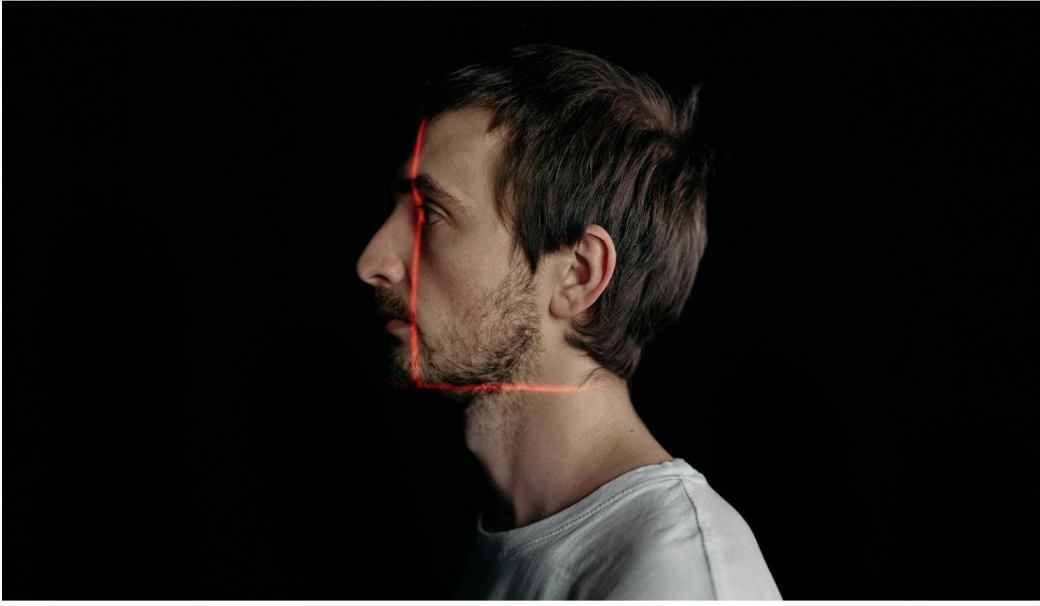
IMAGE CREDIT: iProov
According to the study, 74% of respondents said they would switch banks if another institution offered stronger protection against deepfake-enabled fraud — an indication that trust and security are becoming key competitive differentiators in financial services.
Younger consumers appear especially sensitive to these risks, with 41% of those aged 25 to 34 saying they would switch immediately, compared to just 14% among those aged 65 and older.
The findings suggest that even digitally native users are recalibrating their expectations around security as AI-driven threats become more sophisticated.
The study also highlights rising expectations for accountability within the banking sector.
More than half of the respondents also believe banks should be held legally liable for losses caused by deepfake-related fraud, underscoring growing pressure on institutions to strengthen fraud prevention measures.
Biometric authentication seen as key to rebuilding digital trust
Beyond banking, the research points to a broader trust gap in digital public services.
A majority of respondents said they would be more inclined to use government platforms if secure biometric authentication — such as facial recognition — were available, signalling demand for stronger identity verification systems across both public and private sectors.
For the Philippine fintech ecosystem, the findings come at a critical time. As digital onboarding, e-wallets, and online lending continue to scale, the need for robust identity verification and fraud prevention tools is becoming more urgent. Deepfake threats, if left unchecked, could undermine user confidence in digital financial platforms and slow adoption.
The study suggests that as AI reshapes the digital landscape, trust is no longer just a user experience issue — it is becoming a core pillar of competitiveness in fintech.