


The Philippines’ national debt has climbed to a new peak of ₱17.27 trillion as of June 2025, a figure that towers over the nation’s economic landscape.
Even more concerning, this number shows no signs of stopping, as Finance Secretary Ralph Recto has warned that the country’s sovereign debt could balloon to as much as ₱20 trillion by the end of President Ferdinand “Bongbong” Marcos Jr.’s term in 2028.
While the numbers themselves are staggering, they represent a story of ambition, challenge, and a delicate balancing act that directly impacts the lives of everyday Filipinos.
This surge reflects the national government’s continued borrowing to fuel the country’s engine — funding massive infrastructure projects, sustaining vital social programs, and shielding the economy from unpredictable global headwinds.
But as this debt grows, so do the questions for every Filipino: What does this mean for our jobs, the prices of goods, and the future we are building?
The price of progress

So, why is the debt rising? A significant portion is being poured into ambitious infrastructure development, most notably the national government’s “Build, Build, Build“ program.
These new roads, bridges, and airports are designed to create jobs and supercharge economic growth. At the same time, the government continues to fund essential social services and economic support systems critical for post-pandemic recovery.
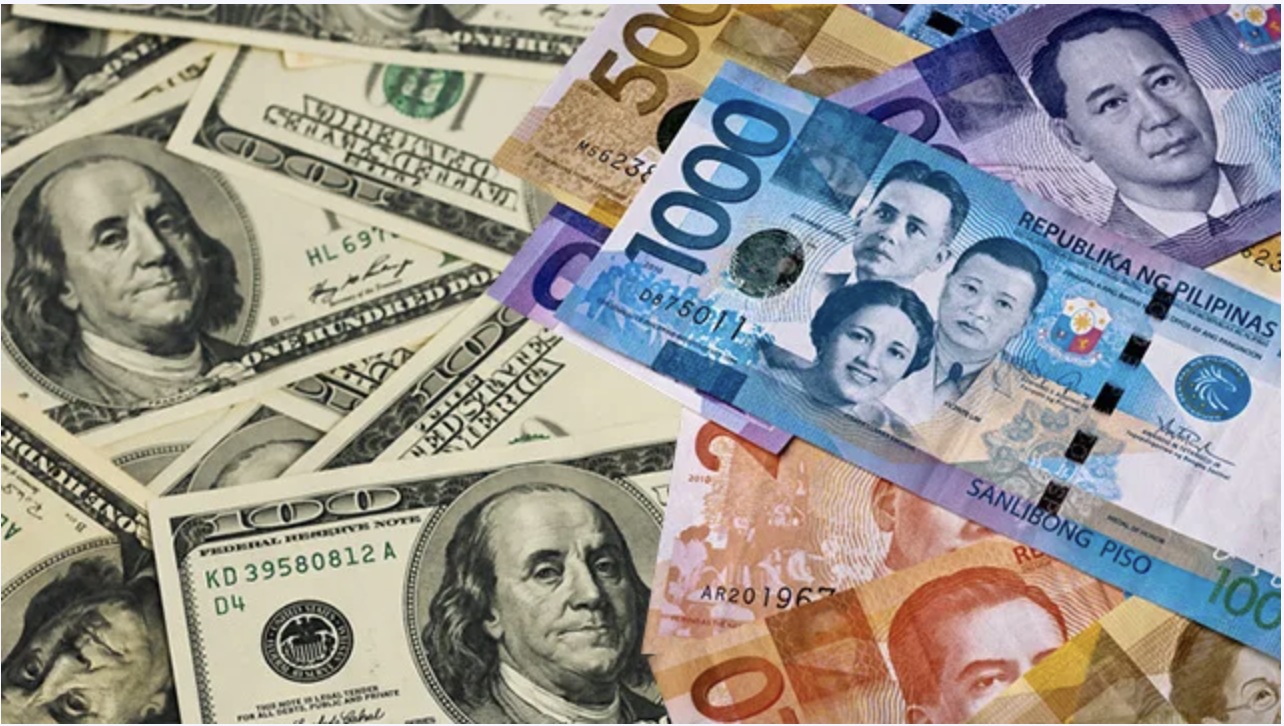
The Bureau of the Treasury reports that funds are being raised from two main sources. About 68% of the debt comes from domestic borrowing through government securities sold to local investors. The remaining 32% is sourced from external loans in foreign currencies like the U.S. dollar.
This strategy allows the government to tap into local funds while also accessing global financial markets.
However, this mix carries its own risks. While domestic debt is shielded from currency swings, a weakening peso can cause the value of foreign loans to swell, making them more expensive to repay and putting pressure on the national budget.
A balancing debt act with high stakes

For policymakers at the Department of Finance, managing this colossal debt is like walking a tightrope. The goal is to invest in progress without jeopardizing the nation’s long-term financial health.
The government aims to keep the debt-to-GDP ratio within a manageable level through strategies like improving tax collection and seeking “concessional loans” with lower interest rates and longer payment terms.
But the consequences of this balancing act are felt far beyond government offices. For the average Filipino, the rising debt can translate to tough choices down the line, potentially leading to higher taxes or cuts in public spending to cover interest payments.
It can also influence inflation and the stability of the peso, affecting the price of everything from gasoline to groceries.
Rising debt tests nation’s balance of growth
Ultimately, the ₱17.27 trillion national debt is not just an abstract figure — it is a weight carried by the economy and by Filipinos in their daily lives. From the highways that shorten commutes to the rising costs at the market, every peso borrowed has real consequences and promises.
The challenge for government is clear: continue investing in infrastructure and social services that can drive long-term growth, while keeping borrowing at levels the economy can sustain. This means tightening tax collection, securing favorable loan terms, and guarding against risks such as currency swings or inflationary pressures.
For Filipinos, the stakes are equally real. Higher taxes, costlier goods, or reduced public spending could emerge if debt servicing grows too heavy. Yet, if managed well, today’s borrowing can lay the foundation for stronger growth, more jobs, and a more resilient economy.
In the end, the question remains: will this towering debt burden become a lasting anchor or a necessary bridge toward a more prosperous Philippines? The answer depends on how carefully the nation balances ambition with discipline in the years ahead.