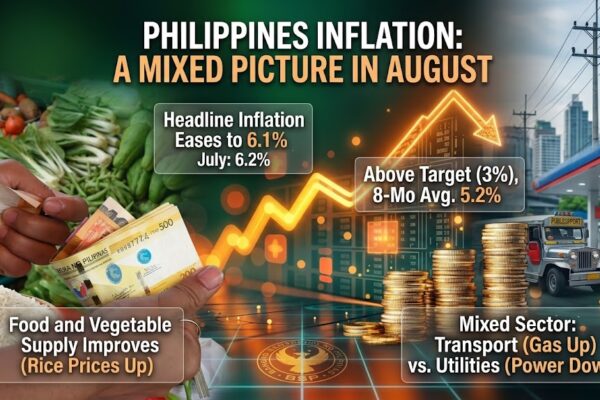

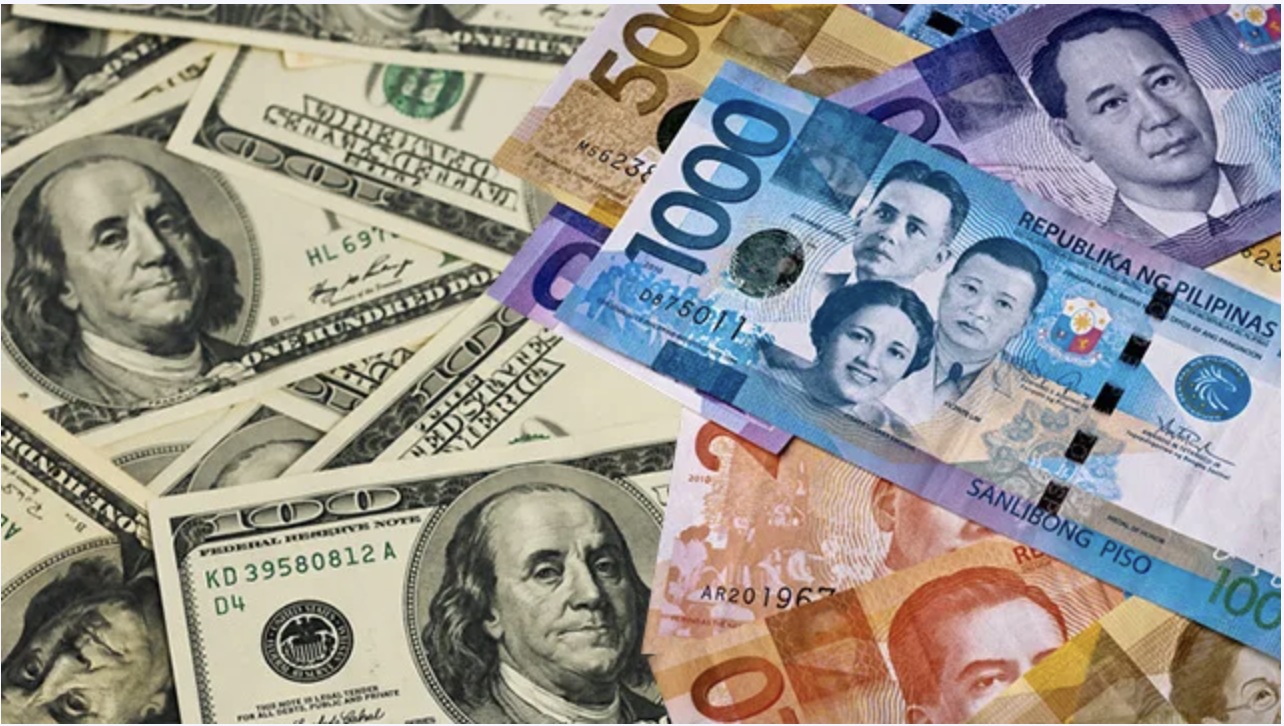
The Philippine peso has reached new record lows against the US dollar, trading around the 61–62 level.
As the Philippine peso record lows continue to make economic headlines, many Filipinos are beginning to feel the effects in their daily expenses, savings, and purchasing power.
A weaker peso means imported goods become more expensive.
Since the Philippines relies heavily on imported fuel, raw materials, electronics, and food products, the rising dollar directly affects local prices.
Businesses that depend on imports may also face higher operating costs, which can eventually lead to increased prices for consumers.
Weak peso reshapes costs and consumer spending
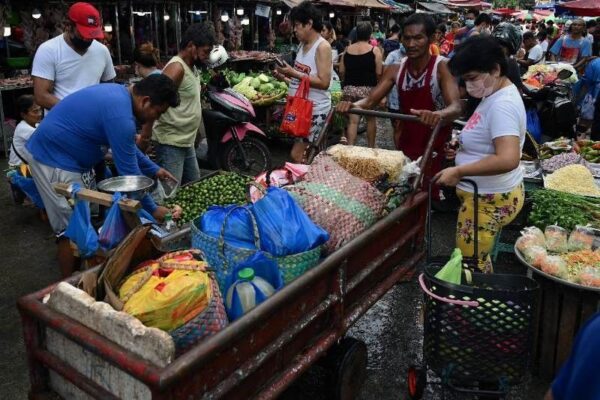
For Filipino households, the impact is becoming more visible in grocery bills, transportation costs, and utility expenses. Even online subscriptions and digital services priced in dollars are becoming more expensive as the peso weakens further.
This growing concern highlights the broader impact of weak peso on Filipino consumers, especially for middle-income households trying to manage rising living costs.
At the same time, overseas Filipino workers (OFWs) and exporters may benefit from the peso’s depreciation. Dollar remittances become more valuable when converted to pesos, allowing some families to receive higher local spending power.
However, economists warn that the long-term effects of a persistently weak currency can still pressure the broader economy.
Several factors continue to influence the Philippine peso vs US dollar 2026 movement. Higher US interest rates, global economic uncertainty, inflation concerns, and foreign investment flows all play major roles in currency performance.
When investors move capital toward the US dollar, emerging market currencies like the peso often weaken.
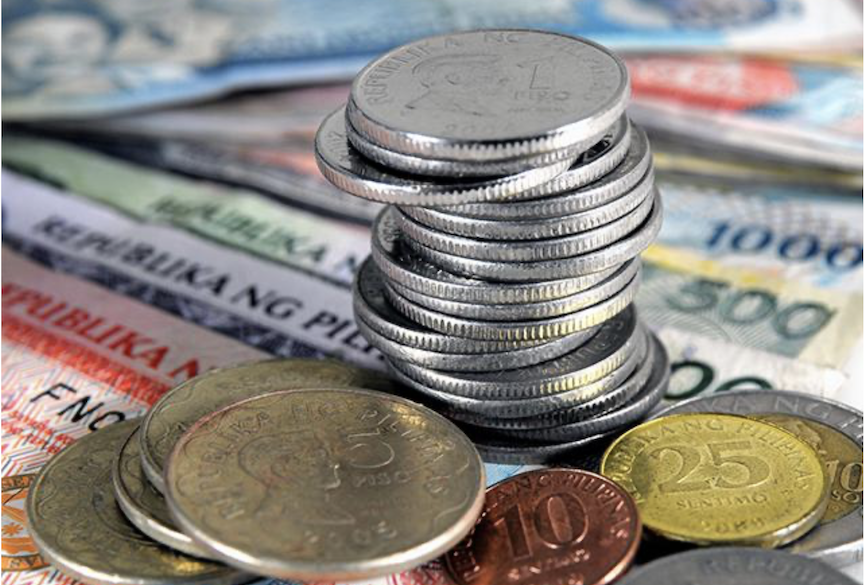
Peso volatility drives caution amid economic uncertainty
IMAGE CREDIT: BAP
Understanding why the Philippine peso is weakening against the dollar is important for consumers and businesses alike.
Currency fluctuations are not just financial headlines — they affect everyday spending, investment decisions, and economic confidence across the country.
While the Bangko Sentral ng Pilipinas (BSP) continues monitoring inflation and currency stability, Filipinos are encouraged to become more mindful of budgeting, spending habits, and financial planning during periods of peso depreciation.
As uncertainty remains in global markets, the conversation around the Philippine peso record lows will likely continue shaping economic discussions in the months ahead.