


Biometric identity verification company iProov has introduced a new solution designed to confirm the real identity of participants in video meetings, as organizations face increasing risks from AI-driven deepfakes and virtual impersonation attacks.
The new product, called iProov Verified Meetings, aims to help businesses authenticate users during video calls without disrupting the flow of communication. It is part of the company’s Workforce Solutions Suite and supports pre-join security checks for workplace video interactions.
The launch comes as video conferencing continues to serve as a central tool for business operations — from hiring and onboarding to financial approvals and customer engagement — but has also emerged as a growing target for fraudsters using generative AI.
According to the identity verification company, attackers are increasingly leveraging AI-generated synthetic identities and virtual camera tools to bypass traditional visual checks in real-time video interactions. These tools allow criminals to create highly convincing fake personas that are difficult for humans to detect.
High-profile incidents underscore the threat. Engineering firm Arup reportedly lost $25 million after a deepfake video call scam, while security researchers have linked North Korean operatives to large-scale infiltration attempts using synthetic identities during remote job interviews.
Deepfakes drive the need for video verification

Andrew Bud, founder and CEO of iProov
“Video has become the standard way of communicating for business and consumers alike,” said Andrew Bud, founder and CEO of iProov. “But organizations still largely assume that seeing a person on screen means they’re real. That assumption no longer holds.”
Bud added that deepfake technology has become both accessible and increasingly difficult to detect, making identity verification in video environments more critical than ever.
iProov’s new system integrates directly into video conferencing platforms and performs real-time analysis of participants when triggered by a meeting host. The technology evaluates two key factors: whether the video feed shows signs of AI-generated manipulation, and whether the stream originates from a physical camera rather than a virtual or simulated environment.
The verification process runs silently in the background, producing a simple Red, Amber, or Green (RAG) status that appears on the host’s screen. Participants are not notified when checks occur, a design choice intended to prevent attackers from adapting their behavior while ensuring legitimate users are not disrupted.
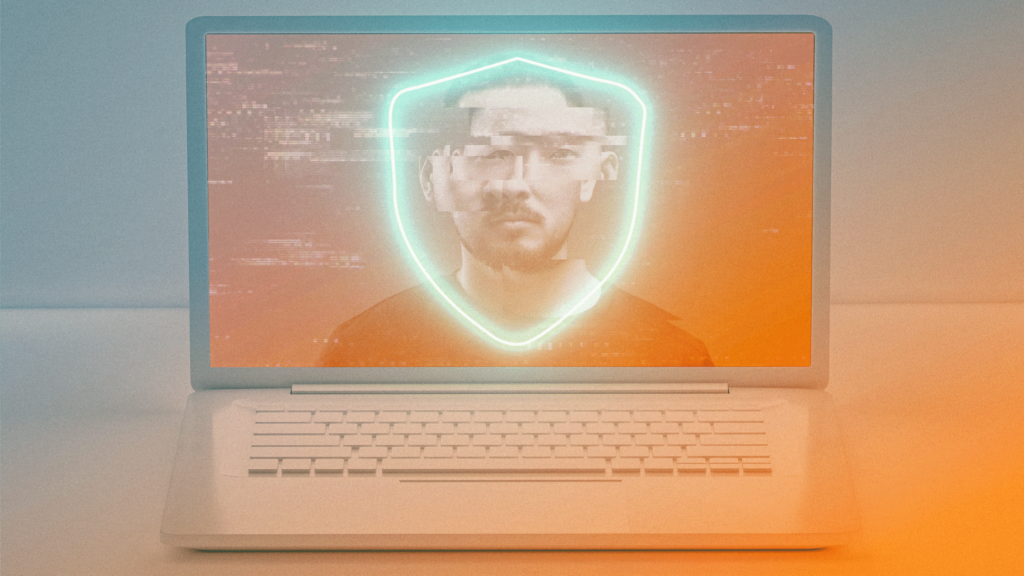
IMAGE CREDIT: iProov
The company said the system is supported by its Security Operations Center (iSOC), which continuously monitors emerging threats and updates detection capabilities. A team of biometric specialists and threat analysts works to identify new attack methods and strengthen defenses in real time.
iProov said the solution is intended to reduce fraud risks in sensitive video-based interactions such as financial transactions, recruitment, onboarding, and account recovery.
More information about iProov Verified Meetings is available on the company’s website.