The Philippine peso stablecoin is entering a new phase after PHPC, the peso-backed digital token issued by Coins.ph, officially exited the Bangko Sentral ng Pilipinas (BSP) Regulatory Sandbox Framework.
The milestone allows the stablecoin to move beyond pilot testing and positions it for wider adoption across payments, remittances, and other digital financial services.
Why a peso stablecoin matters
Unlike U.S. dollar-backed stablecoins such as USDC, a Philippine peso stablecoin is pegged directly to the Philippine peso on a one-to-one basis. This removes the need to convert funds from dollars to pesos before they can be spent locally.
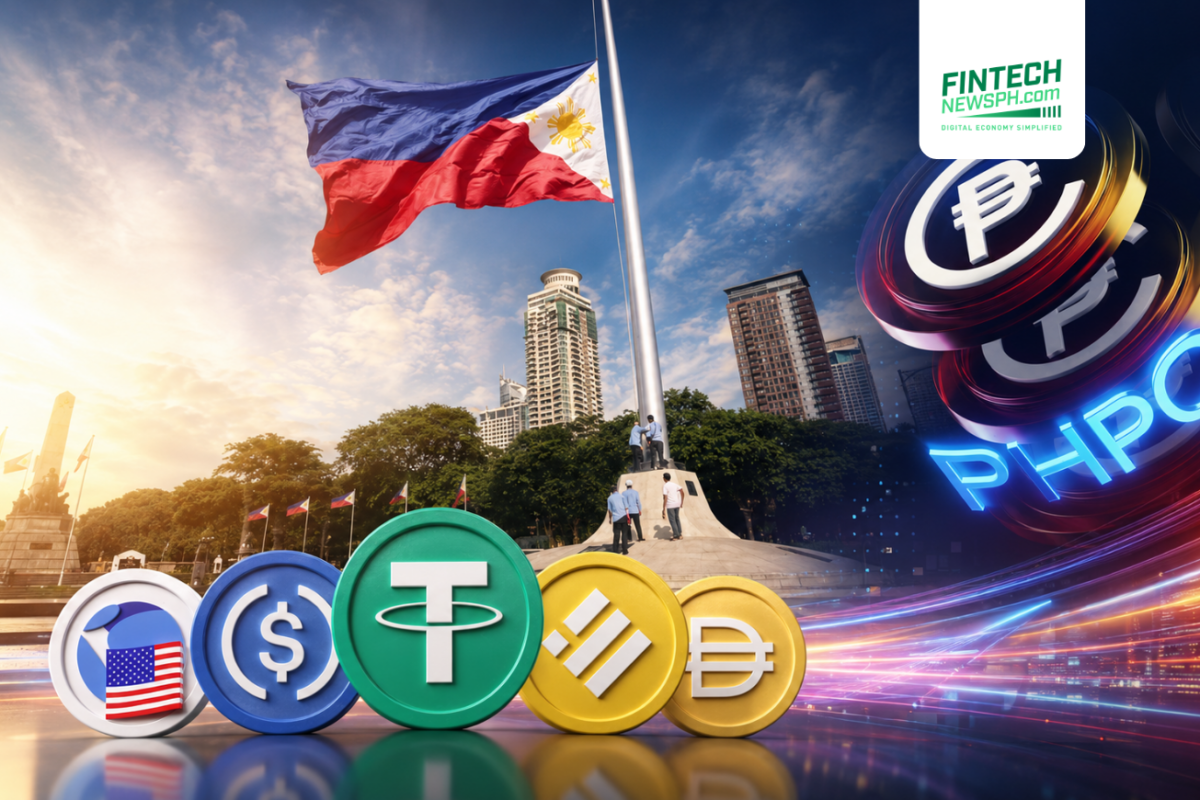
PHPC stablecoin readies to exit regulatory sandbox, enabling expanded use cases for remittances. (IMAGE CREDIT: Coins.ph)
For consumers and businesses, eliminating an additional foreign exchange conversion can reduce transaction costs and simplify digital payments. Instead of holding a dollar-denominated digital asset, users transact in the same currency they use every day.
According to Coins.ph, PHPC remains fully backed by cash and cash equivalents held in Philippine bank accounts, maintaining its one-to-one peg to the peso.
Potential use cases beyond crypto trading
With the sandbox restrictions lifted, the Philippine peso stablecoin could support a broader range of financial applications.

Merchants may benefit from faster digital settlement without relying on traditional card-processing cycles. Overseas remittances could become more efficient by allowing funds to move directly into peso-denominated digital assets before reaching recipients.
Businesses may also use programmable payments for supplier settlements, payroll, insurance claims, or conditional disbursements that execute automatically once predefined conditions are met.
Coins.ph has identified remittances and cross-border transactions as key areas for PHPC’s expansion following its exit from the regulatory sandbox.
How it differs from InstaPay
Some may wonder why a Philippine peso stablecoin is needed when the Philippines already has real-time payment systems such as InstaPay.
While both enable fast transfers, they serve different purposes. InstaPay provides instant bank-to-bank and wallet-to-wallet transfers through existing payment rails.
A blockchain-based stablecoin, however, introduces programmability, allowing payments to include automated conditions, smart contract execution, and integration with decentralized finance (DeFi) applications.
Rather than replacing existing payment infrastructure, PHPC could complement it by supporting digital use cases that conventional payment networks were not designed to handle.
What comes next
The successful completion of the BSP sandbox represents an important milestone for the country’s digital asset ecosystem.
Coins.ph said it is now preparing to expand PHPC’s minting capacity and pursue broader deployment, subject to regulatory requirements.
Whether the Philippine peso stablecoin achieves widespread adoption will depend on how quickly financial institutions, payment providers, merchants, and digital wallets integrate the token into everyday financial services.
If adoption grows, PHPC could become an important building block for faster, programmable, and peso-denominated digital payments in the Philippines.
—
Disclaimer: This article is based primarily on publicly available information released by Coins.ph, the Bangko Sentral ng Pilipinas (BSP), and other official sources regarding the Philippine peso stablecoin (PHPC) and its exit from the BSP Regulatory Sandbox Framework. The content has been edited for clarity and journalistic style. FintechNewsPH publishes this article for informational and educational purposes only and does not endorse any financial product, stablecoin, cryptocurrency, digital asset, virtual asset service provider (VASP), exchange, digital wallet, or investment platform. Nothing in this article should be construed as financial, legal, tax, or investment advice. Readers are encouraged to conduct their own research and consult qualified professionals before making financial or investment decisions involving digital assets.