
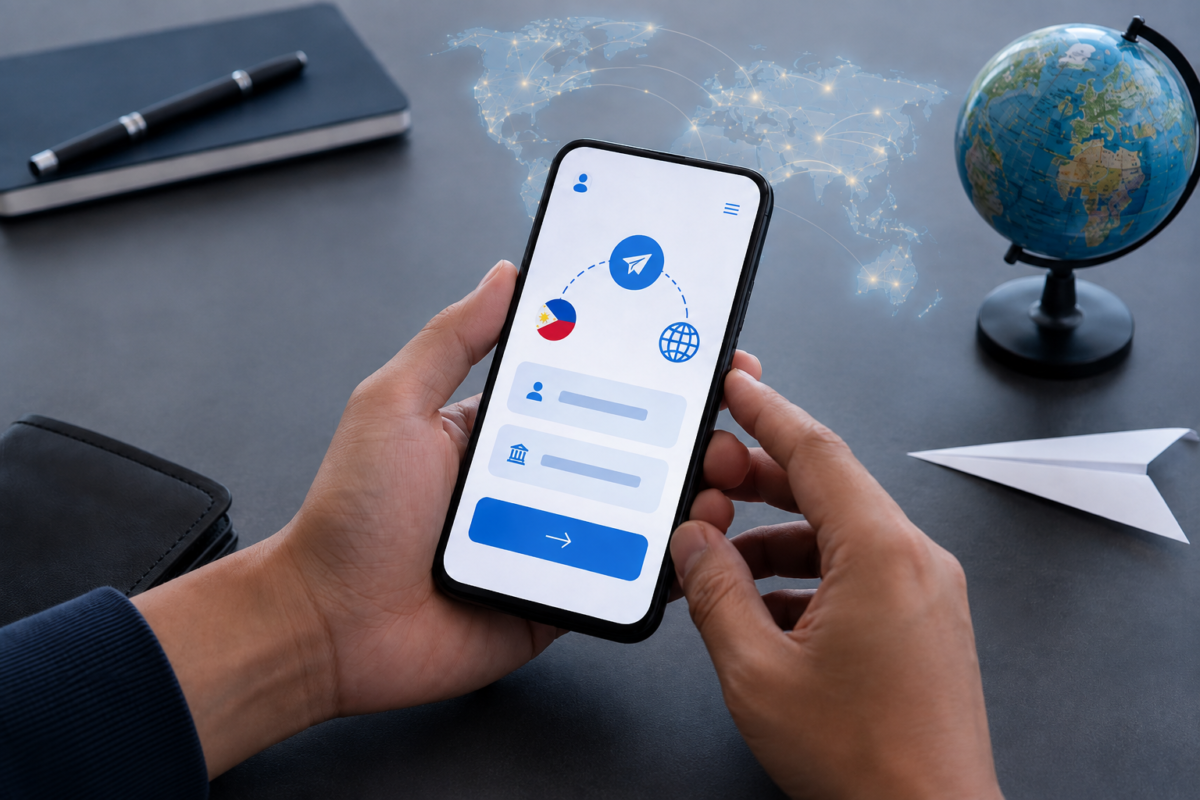
GCash is strengthening its role in cross-border payments by promoting outbound international transfers from the Philippines, giving users another digital route for sending money to families, overseas suppliers, and other recipients abroad.
Its International Transfers service currently allows fully verified users to send funds directly from their GCash wallets to supported foreign bank accounts, cards, and e-wallets across 16 countries.
The shift expands the traditional role of Philippine e-wallets, which have long focused heavily on domestic payments and receiving money from overseas. GCash is increasingly positioning the wallet as an outbound payment channel as well.
From receiving remittances to sending them abroad
GCash originally launched International Transfers in March, connecting users in the Philippines with recipients in the United States, China, Japan, South Korea, Australia, Canada, Singapore, India, Germany, Italy, Spain, France, the United Arab Emirates, Qatar, Saudi Arabia, and Oman.
Users send Philippine pesos through the app, while recipients receive the corresponding amount in their local currency.
Service fees start at ₱180, according to GCash, although actual charges depend on the destination and transfer amount. The app displays the applicable fees and converted amount before a transaction is confirmed.
Processing times also vary by market. Transfers to Australia and Singapore can arrive on the same day, while Japan transfers may take two business days and US transfers can take up to three business days.
Cross-border payments are moving inside the e-wallet
The use case extends beyond family support.
GCash has specifically positioned the service for micro, small, and medium enterprises (MSMEs) sourcing inventory, raw materials, or specialized services from overseas suppliers.
That brings e-wallets further into a space traditionally dominated by banks and remittance companies.
For a small Philippine business buying goods from an overseas supplier, the ability to initiate an international payment through the same app already used for collections and local transfers can reduce the number of financial platforms needed to manage everyday transactions.
It also reflects how e-wallet competition is expanding beyond domestic peer-to-peer transfers, bills payments, and QR purchases.
Outbound transfers widen the fintech battleground
The development does not eliminate the need to compare costs.
Foreign exchange rates, transfer fees, processing times, destination coverage, and recipient channels can differ across banks, remittance firms, and digital wallets. A cheaper advertised fee does not necessarily mean the recipient will ultimately receive more money.
What is changing is the number of channels Filipinos can choose from.
For years, the Philippine remittance story largely centered on money flowing into the country from overseas Filipino workers. Digital wallets are now building infrastructure for money to move in the opposite direction as well.
As GCash expands the use of its 16-country transfer network, outbound payments could become another area where e-wallets compete directly with traditional financial institutions for families, freelancers, and small businesses sending money beyond Philippine borders.