As the Philippine food scene grows more competitive, restaurateurs are increasingly looking beyond menus and interiors to differentiate themselves, with digital payments emerging as a key part of the modern dining experience.
For a new generation of food entrepreneurs, delivering memorable customer experiences now extends beyond culinary creativity to include operational efficiency, seamless service, and frictionless checkout.
That shift is driving adoption of merchant payment solutions such as GCash for Business, as food businesses seek to streamline transactions and meet evolving consumer expectations.
Dining goes beyond what’s on the plate
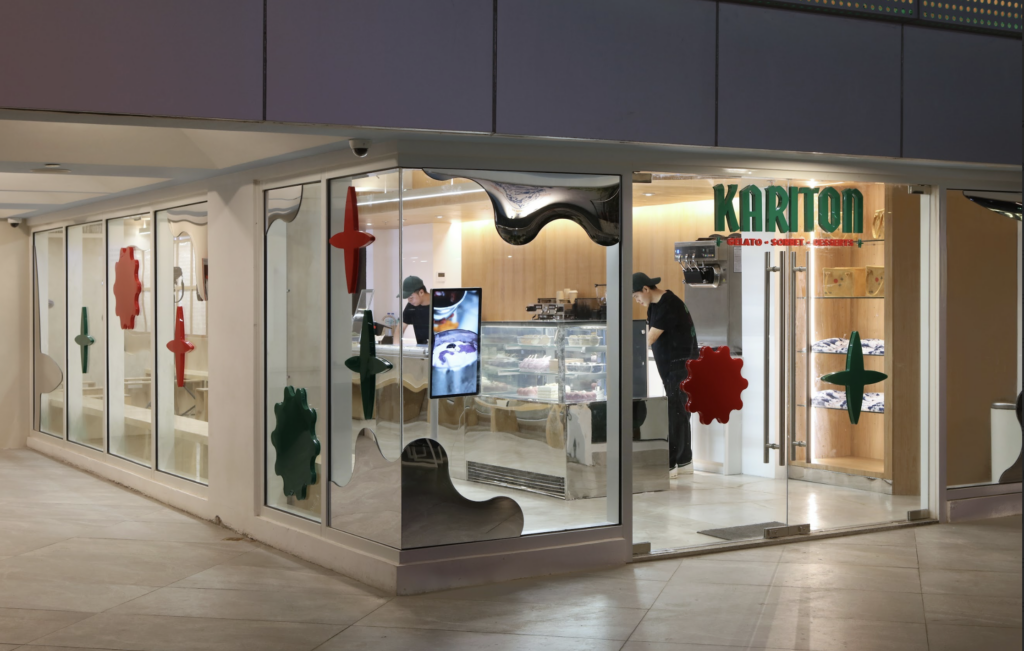
Kariton
The local food service industry continues to expand as consumers seek fresh dining concepts and more immersive brand experiences.
Today, customer satisfaction is shaped by every interaction — from online discovery and in-store service to how quickly payments are processed at checkout.
For many food operators, delays during payment have become a critical operational pain point.
Three Manila-based food businesses — Kariton, Taste & Tell, and Nolita Joe’s — are among those rethinking service design with digital tools at the center.
For Kariton, a gelato concept blending Filipino nostalgia with Australian-inspired craftsmanship, speed is especially important.
“The name Kariton comes from the street carts many of us grew up with, so when people walk in, I want them to feel an instant sense of warmth and curiosity,” said Leon Taira, global partner of Kariton.
Because gelato is highly time-sensitive, operational flow directly affects customer experience.
“Very early on, we realized that small details matter a lot,” Taira said, citing queue flow, service pacing, and payment efficiency as critical touchpoints.
Digital payments as part of hospitality
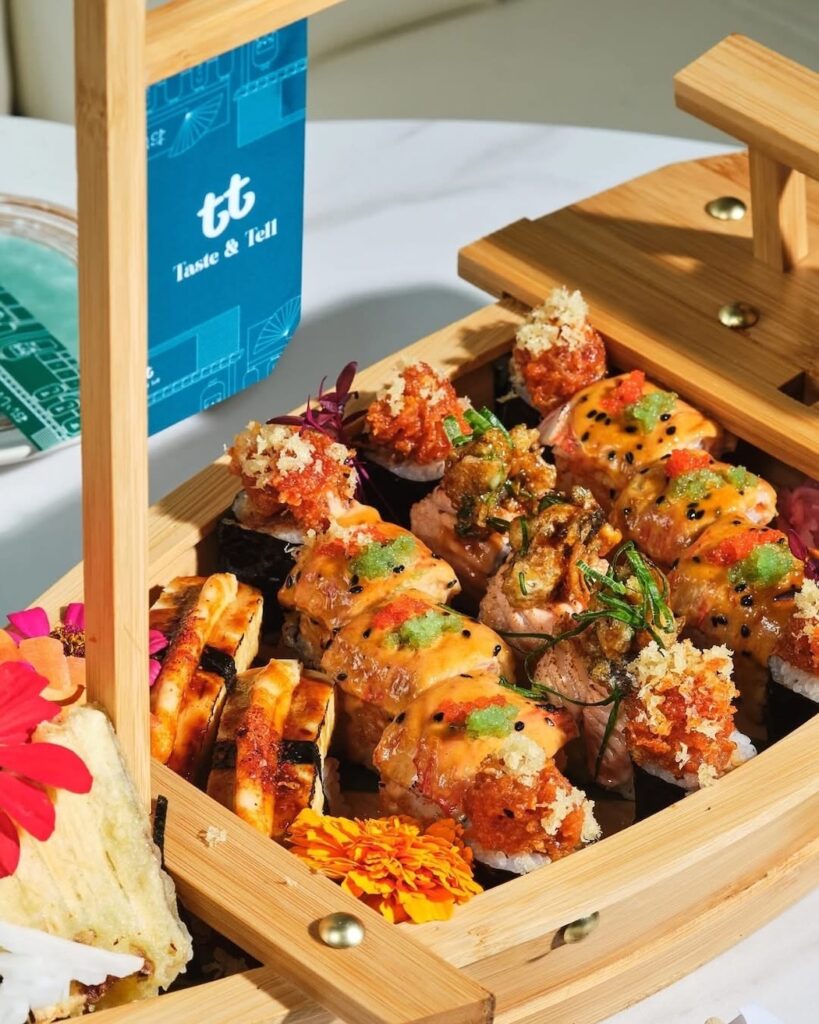
Taste & Tell
For Taste & Tell, which recently transitioned from a home-based operation to a physical store, checkout speed became a strategic priority.
“We realized dining is about the entire journey — ambiance, service, speed, and even how customers pay,” said Mariell Chuateco-Tanchip.
At Nolita Joe’s, owner Patrick Santos said even minor delays can shape how diners remember their experience.
“Waiting too long for the bill to be settled or having limited payment options can affect the whole experience,” he said.
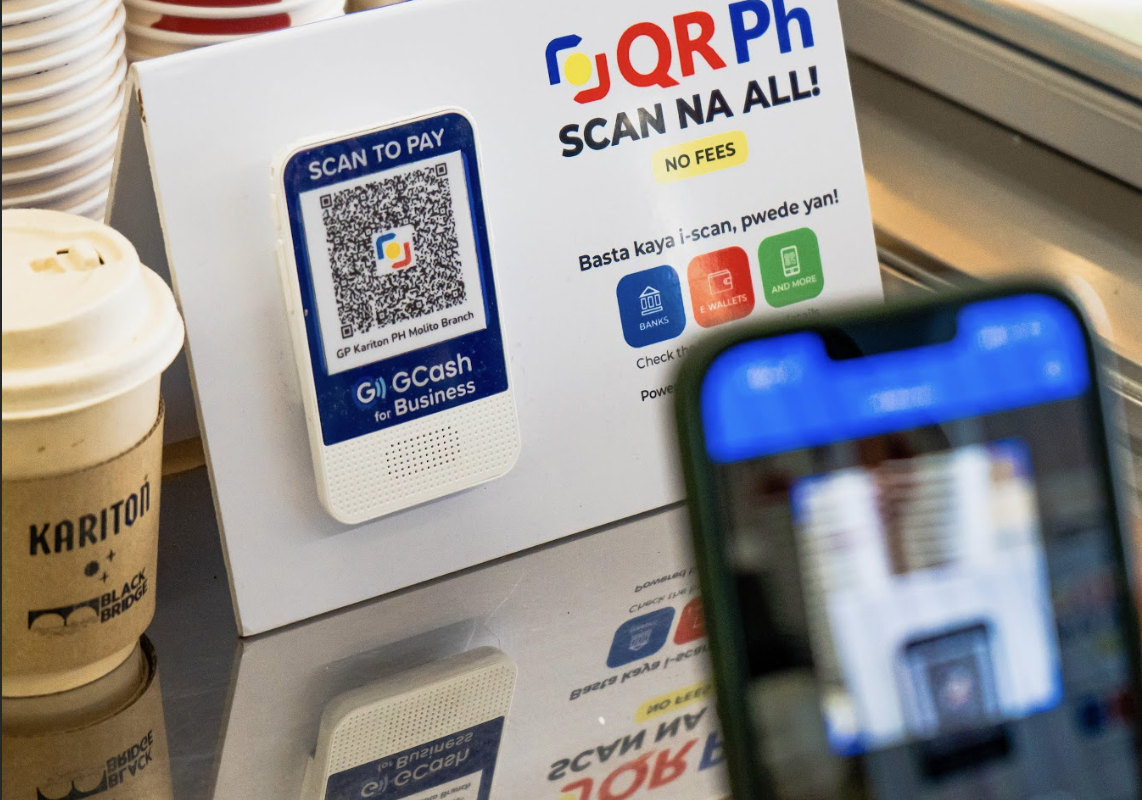
To address these challenges, the businesses have integrated GCash for Business tools such as GCash SoundPay, a QR-enabled payment device with real-time voice confirmation designed to accelerate cashless transactions.
According to the merchants, the solution has reduced transaction friction during peak hours, helping improve customer turnover and ease operational pressure on staff.
The growing role of fintech in food service
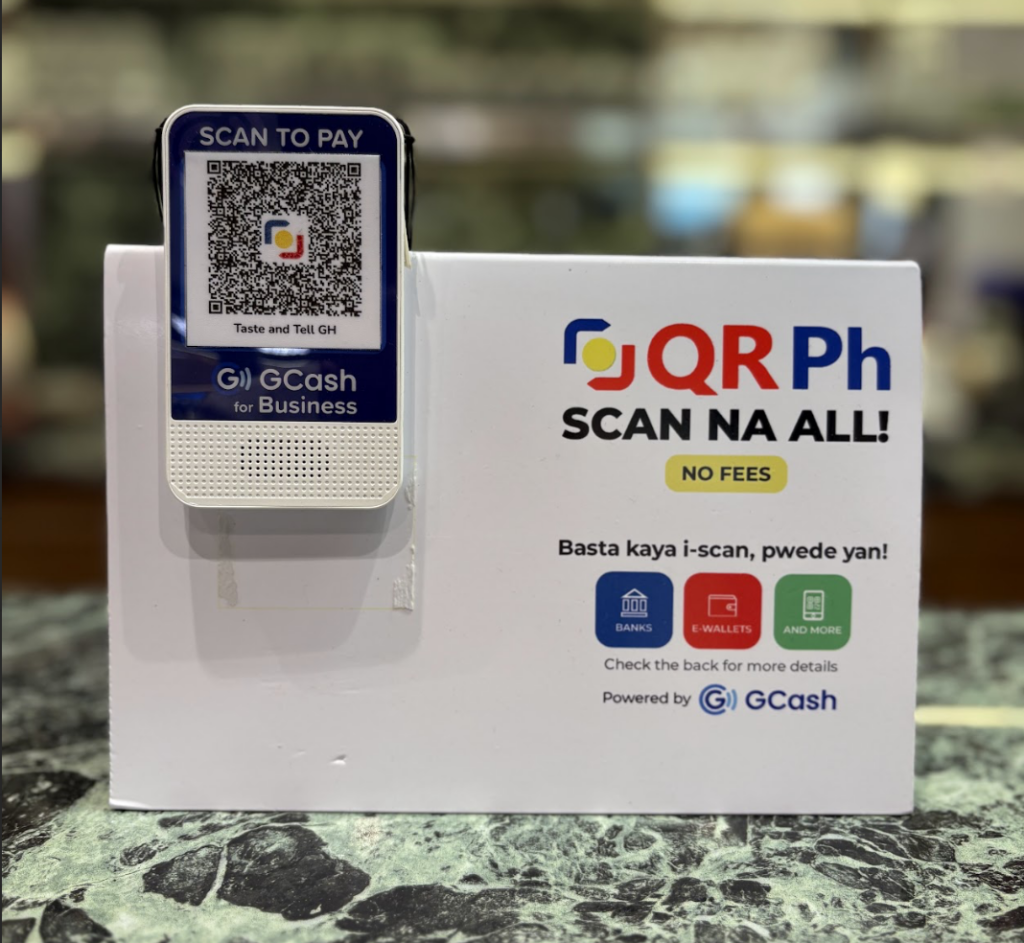
IMAGE CREDIT: GCash
The experiences of these businesses reflect a broader trend in Philippine food service, where operational technology is becoming a core component of hospitality strategy.
As customer expectations increasingly center on convenience and speed, payment systems are no longer viewed as back-end utilities but as part of the customer journey itself.
For food entrepreneurs navigating a fast-evolving market, fintech tools are becoming essential not just for payments, but for delivering the kind of seamless experiences that encourage repeat visits.