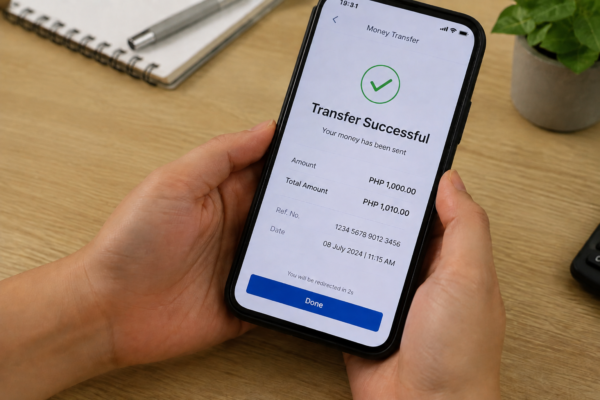
Open finance is one of those ideas that sounds useful once it is explained. Most Filipinos use several financial services, from bank accounts and e-wallets to lending, insurance, and investment apps. Yet moving between them often means submitting the same information, repeating verification, and rebuilding a profile from the beginning.
That is why the Bangko Sentral ng Pilipinas’ open finance plan deserves another look. The concept has been on the regulatory agenda since 2021, but its benefits remain difficult for users to see. The groundwork has progressed, although the experience promised to consumers has not arrived.
The original promise was bigger than APIs
The BSP established the country’s Open Finance Framework through Circular No. 1122 in June 2021. It introduced a system in which customers could authorize financial institutions and qualified third parties to share data securely through application programming interfaces, or APIs.

The technical language can make open finance sound like an industry project. In practice, it is supposed to address frustrations. A customer could reuse verified information when applying for a service, allow a lender to assess transaction history with consent, or manage accounts from several providers through one platform.
A Philippine News Agency report published in 2021 emphasized greater access, suitable products, and customer control over financial information. These remain worthwhile goals, particularly in a market where consumers use digital payments but struggle to access affordable credit, investments, or insurance.
Progress has happened, but mostly out of sight
The Philippines has moved beyond announcing a framework. The BSP later adopted a revised roadmap covering 2023 to 2027, while financial institutions joined the Open Finance PH Pilot to develop standards and test services.
The detail is that participation in the pilot is voluntary. That approach gives banks and fintech companies room to test security, consent, and interoperability before adoption. It also means progress depends on whether institutions see enough value in connecting their systems and sharing customer-authorized data.
For consumers, this creates an awkward situation. The infrastructure is being discussed and developed, but there are still few moments when someone can point to a financial app and say, “This works better because of open finance.”
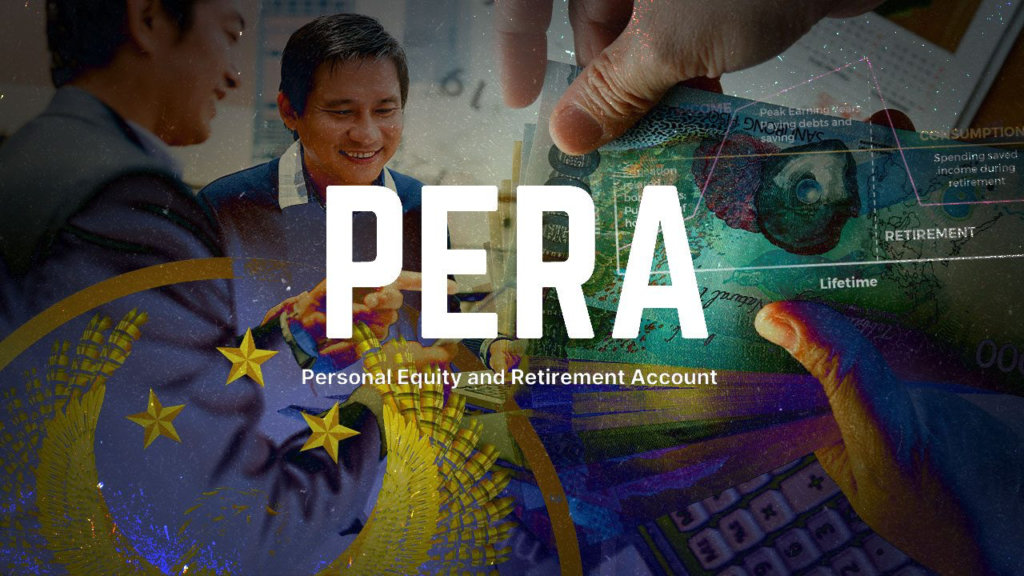
The strongest example so far is the Open Finance for Personal Equity and Retirement Account Pilot, launched in July 2025. It allows verified users to consent to sharing existing Know-Your-Customer information when opening a PERA account through participating platforms.
This may sound limited compared with the broader roadmap. It matters because it turns the policy into a customer journey. Instead of filling out the same forms and submitting identification again, users can rely on information already verified by another institution. The BSP describes PERA as the first practical implementation of open finance in the country.
The slower pace is understandable, but not harmless
It is easy to say that banks should simply open their systems. The reality is more complicated. Institutions need common standards for authentication, consent, data formats, cybersecurity, complaints, liability, and access revocation. Older banking technology may also be expensive to connect with newer platforms.
There is also a commercial tension at the center of open finance. Large institutions have spent years building customer relationships and collecting data. Sharing that data, even with permission, can make it easier for competitors to offer alternative products. Smaller fintech companies, meanwhile, may hesitate to invest until access rules and potential revenue models become clearer.
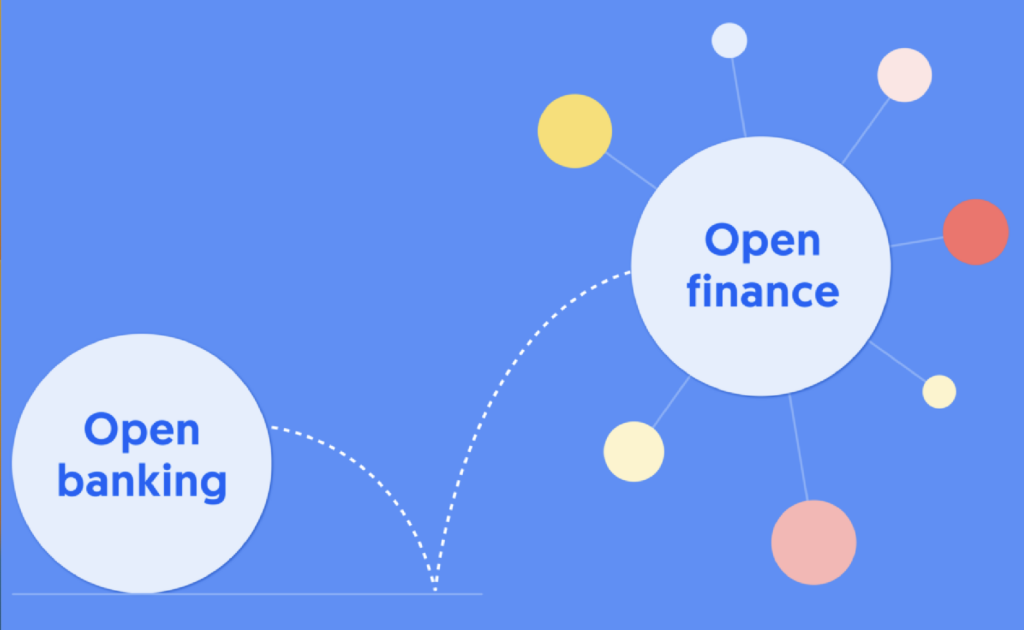
A cautious rollout is therefore reasonable. Financial data cannot be treated like a feature that can be tested casually and repaired after problems appear. Poorly designed consent screens, weak security, or unclear accountability could expose consumers to fraud and misuse.
However, caution has a cost. The longer open finance remains confined to pilots and policy discussions, the longer customers continue dealing with repetitive onboarding, fragmented records, and financial products that do not reflect their full circumstances.
A law may help, but usefulness will decide the outcome
The proposed Philippine Open Finance Act could provide stronger legal support for data rights, common standards, and coordination among regulators. This is important because open finance extends beyond banks and may involve insurers, investment companies, payment firms, and technology providers.
Legislation can clarify obligations and encourage wider participation, but it cannot create a successful ecosystem by itself. Institutions still need practical reasons to participate, developers need dependable access, and customers need simple ways to understand what they are approving.
For me, that is the real measure of whether open finance has become a reality. It will not be the publication of another roadmap or the creation of another committee. It will be the moment Filipinos can open accounts faster, compare services more fairly, build stronger financial profiles, and withdraw data access without navigating confusing processes. The Philippines has spent several years building the rules and testing the pipes. The next phase must show what those pipes can deliver to people.