
The Bangko Sentral ng Pilipinas (BSP) reported that foreign direct investment (FDI) inflows declined in the first four months of 2026, while also launching a new book that examines the country’s experience with financial crises and resilience.
FDI reached US$2.0 billion from January to April 2026, lower than the level recorded in the same period last year, according to preliminary BSP data.
The central bank said the decline was driven mainly by lower foreign net investments in debt instruments and reinvestment of earnings.
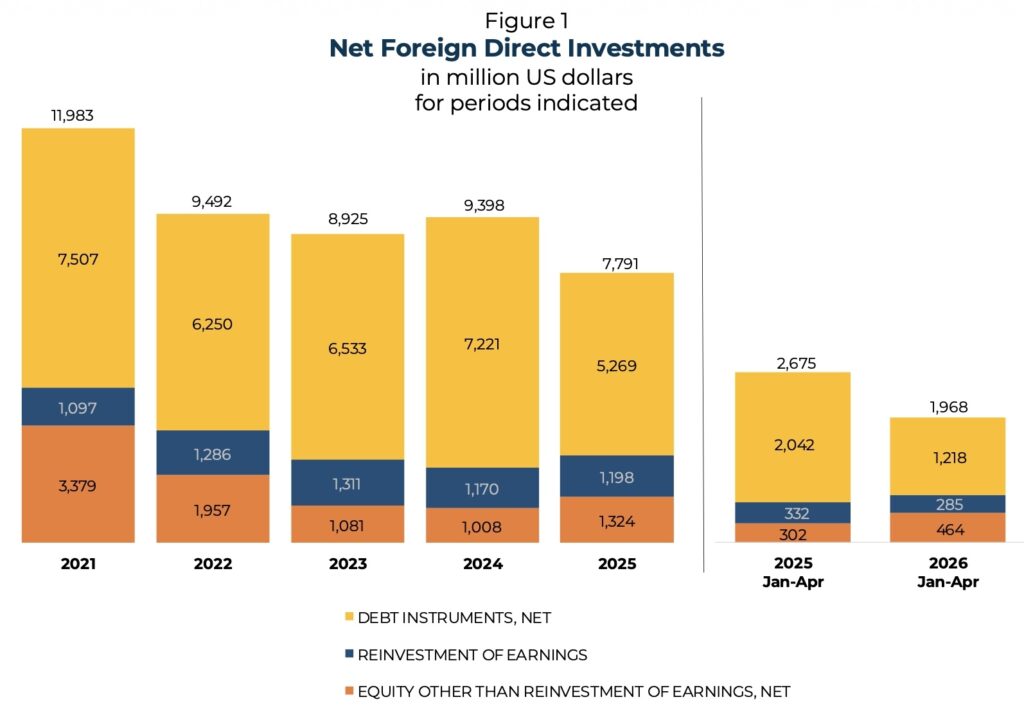
The drop was partly offset by an increase in foreign net investments in equity capital, excluding reinvested earnings.
For the January-to-April period, equity capital placements came primarily from Japan, the United States, and Singapore. These investments were channeled mainly into the manufacturing, financial and insurance, and real estate industries.
The BSP noted that its FDI statistics measure actual investment inflows and are compiled using the Balance of Payments and International Investment Position Manual, 6th Edition (BPM6). This differs from investment-commitment data published by other government agencies.
New BSP book examines lessons from financial crises
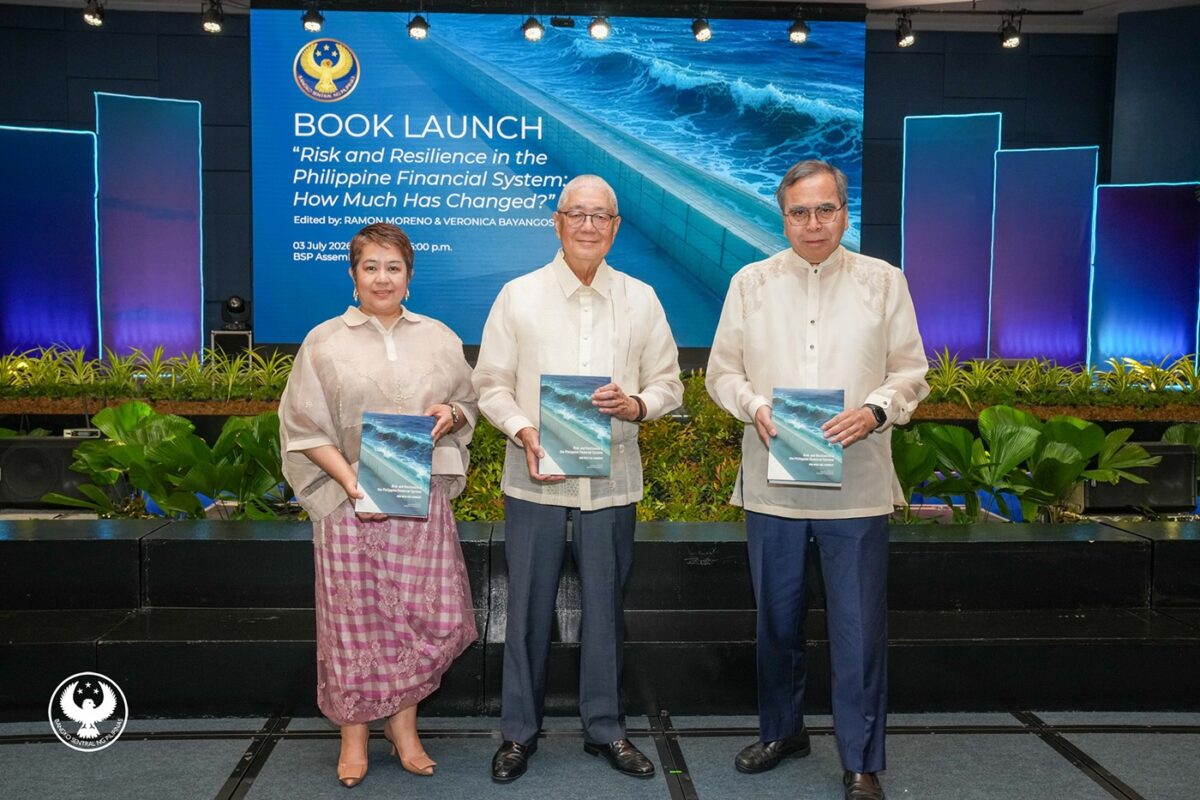
Alongside the FDI report, the central bank also launched “Risk and Resilience in the Philippine Financial System: How Much Has Changed,” a book that reviews major financial crises affecting the country from the 1980s to the 2020s.
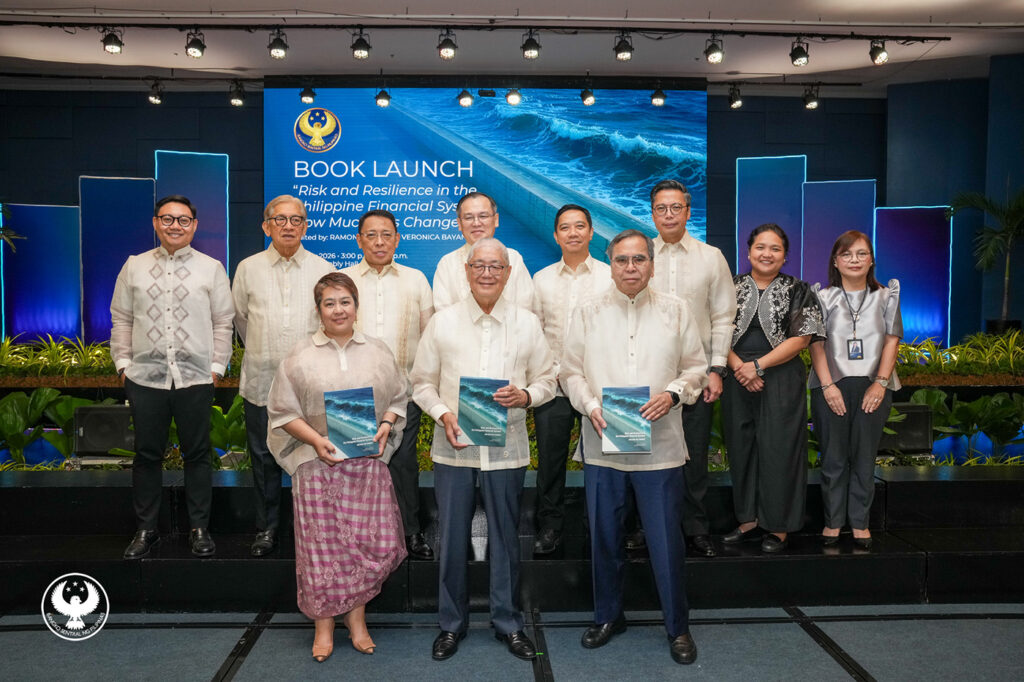
Central bank officials, contributors, and co-editors gather during the launch of the central bank’s new financial resilience book.
The publication was launched on July 3 as part of the central bank’s 33rd anniversary celebration.
The book examines episodes such as La Década Perdida of the 1980s, the 1981 Dewey Dee default, the Asian Financial Crisis of 1997–1998, the Global Financial Crisis of 2007–2009, and the COVID-19 pandemic.
Central bank governor Eli M. Remolona, Jr. said the publication aims to help policymakers and the public better understand how financial shocks unfold.
“By understanding how these past crises unfolded, we become better equipped to question optimistic narratives, detect risk earlier, and respond more effectively when the next shock comes,” Remolona said.
Assistant Governor Veronica B. Bayangos and BSP consultant Ramon Moreno co-edited the book, which highlights the importance of reform, discipline, and learning in strengthening the financial system.
The central bank also reminded the public in a separate advisory that reproducing Philippine banknotes without prior authorization is prohibited under BSP Circular No. 829, Series of 2014.