

For a decade, payments were the battlefield. Whoever moved money cheapest won. That war is over — and nobody won it, because the rails became public property.
Any wallet can pay any merchant. Any bank can settle to any account.
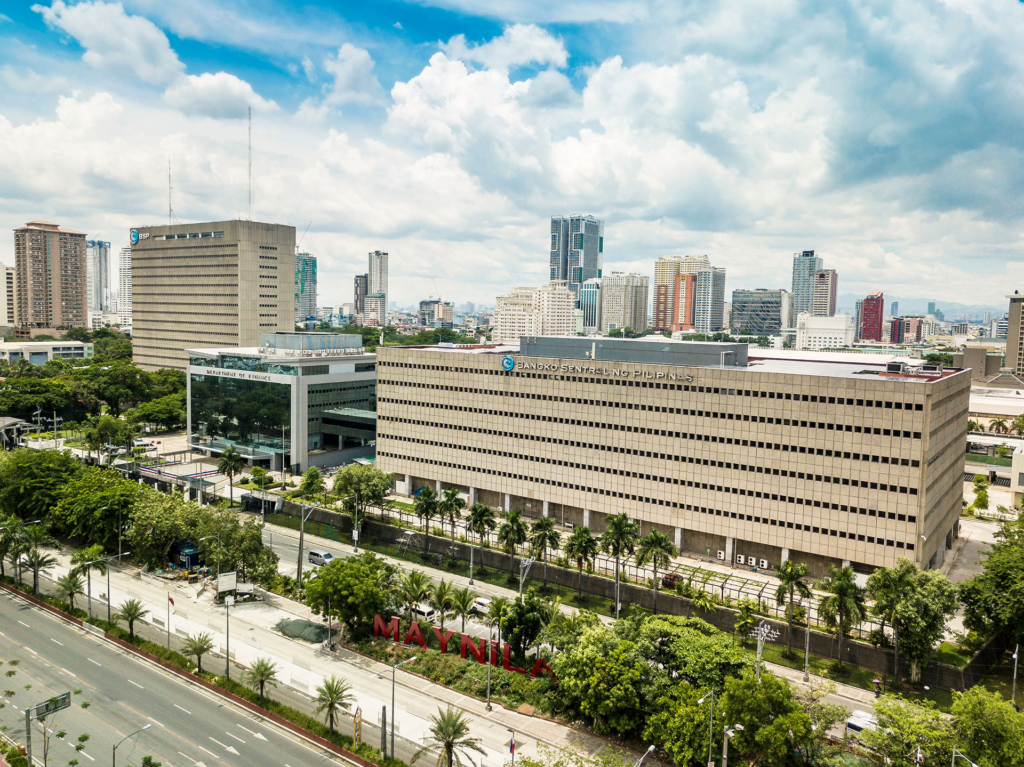
BSP and PPMI keep stacking new services on top.
When infrastructure is shared, moving money stops being a product. It becomes plumbing. Open finance in the Philippines is where the fight actually moved — and it runs on three fronts.
Front one: deposits, not transactions

Digital banks held ₱119.5 billion across roughly 20.4 million customers in September 2025. Maya led with ₱67.7 billion, GoTyme with ₱43.5 billion. Yet only Maya Bank and OFBank were net profitable in late 2025.
Volume isn’t the prize. Balances are. A peso sitting still earns more than one passing through — and BSP has raised the licence cap to 10, MariBank becoming the seventh digital bank in July 2026.
Front two: identity
Whoever verifies you, keeps you. That’s why banks race to plug into the National ID instead of collecting document uploads. Onboarding friction was the last real switching cost, and it’s disappearing.
Front three: open finance Philippines and your data trail
This is the actual prize. Under Circular 1122’s Open Finance Framework, your transaction history travels with your consent — which is how e-wallet activity starts deciding your loan. For thin-file Filipinos, that’s real new access to credit.
The catch in open finance Philippines is worth stating plainly: participation is voluntary. An institution that sees data sharing as a threat can simply decline. Openness that incumbents can opt out of isn’t openness yet.
Expect incumbents to join on the reading side and drag their feet on the writing side. The bank holding the largest deposit base has the least reason to make leaving easy — and until the BSP compels it, it won’t have to.
What it actually means
Banks hold trust and balance sheets. Fintechs hold distribution and speed. Neither wins outright; most already partner. What changes is the battleground: not the fee to send ₱500, but who holds your savings, verifies your identity, and owns the record that says you’re creditworthy.
A harder question arrives fast: when AI agents begin making purchases for us, whose credentials do they carry?
Open finance Philippines won’t decide who wins. It decides what winning means.