
The Philippines has hit a monumental macroeconomic milestone after officially securing upper middle-income country status from the World Bank.
However, fresh data from the Bangko Sentral ng Pilipinas (BSP) reveals a complex fiscal paradox: even as domestic productivity and household incomes climb, the country’s International Investment Position (IIP) widened to a net external liability position of US$54.9 billion (11.2 percent of GDP) as of end-March 2026.
This widening gap highlights a dual financial reality, where landmark economic growth must constantly buffer against volatile global headwinds, foreign exchange interventions, and shifting asset valuations.
A milestone upgrade built on digital and structural reforms
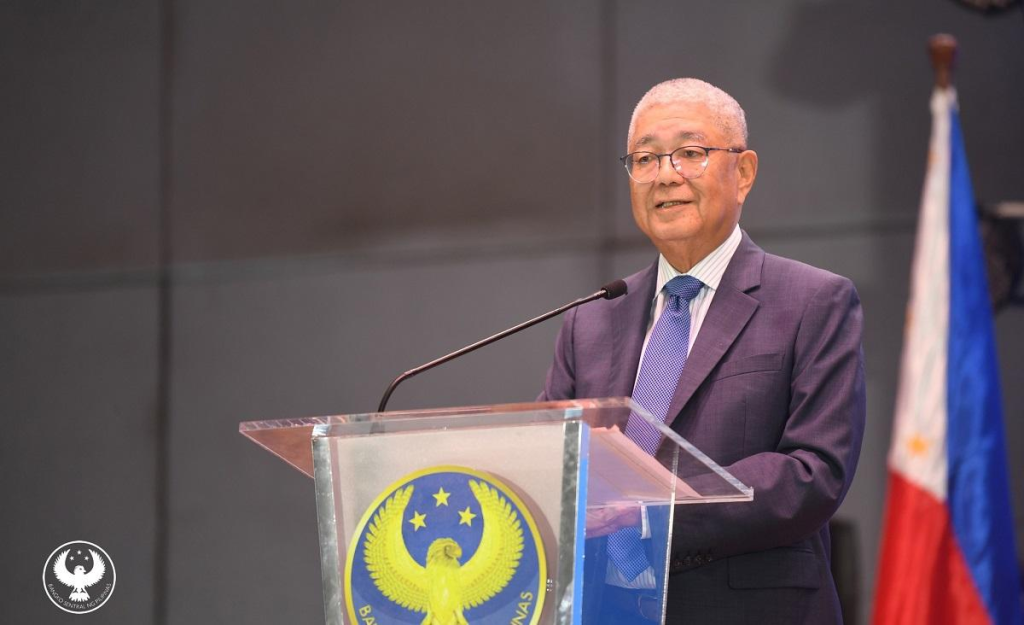
BSP Governor Eli Remolona, Jr.
The transition to an upper middle-income economy reflects years of steady economic progress and structural adjustments. For global investors and the domestic fintech ecosystem, this status signals a mature market with improved productive capacity and modernized financial systems.
The BSP leadership emphasized that sustaining this hard-earned momentum will require a razor-sharp focus on preserving macroeconomic stability and pushing forward-looking reforms.
In a statement, BSP Governor Eli Remolona, Jr. noted that the country’s upward trajectory reflects systemic, long-term gains.
“The Philippines’ move to upper middle-income status is an important milestone that reflects years of steady economic progress. It signals that the country’s productive capacity and incomes have improved over time,” Remolona said. “The move underscores the importance of the efforts to preserve macroeconomic stability and sustain structural reforms by the National Government.”
“On the part of the BSP, it underlines the importance of managing inflation to encourage investment and protect the purchasing power of Filipino households, as well as maintaining adequate international reserves to ensure confidence,” the Governor stressed.
“Furthermore, it means ensuring banks are solid and able to support economic growth, and that payment systems are modernized to provide businesses and consumers fast and safe transfers,” added Remolona.
Crucially for the local fintech sector, the central bank’s ongoing commitment to modernizing payment systems serves as a key pillar of this growth, ensuring that digital transfers remain fast, secure, and frictionless for both enterprises and consumers.
Navigating global headwinds and asset declines
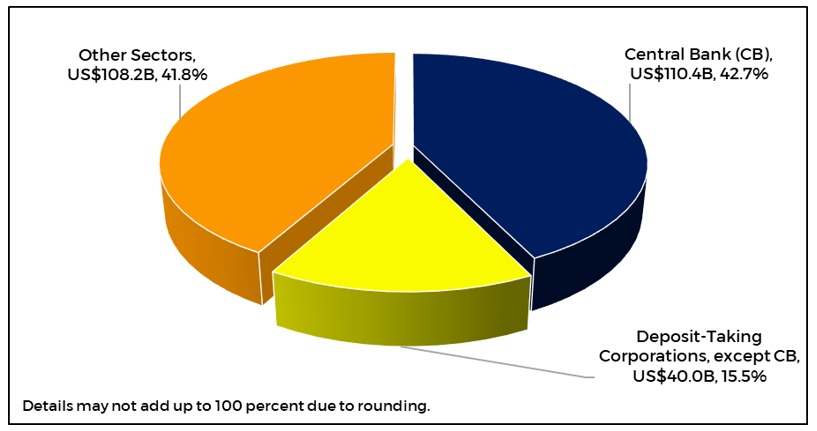
PH investments in foreign assets by sector (IMAGE CREDIT: BSP)
Despite strong domestic strides, the widening of the country’s net external liability position in the first quarter of 2026 exposes the Philippines’ vulnerability to external shocks. The IIP snapshot indicates that the nation’s liabilities to the rest of the world outpaced the financial assets it owns abroad.
The BSP disclosed that the decline in external financial assets was primarily driven by lower reserve assets. This drawdown was a direct result of the central bank’s tactical foreign exchange operations to stabilize the local currency, alongside the national government tapping its foreign currency deposits with the BSP for international debt servicing.
Furthermore, external global pressures exacerbated the asset gap. Aggressive global bond yields — triggered by market anxieties over geopolitical uncertainties and a weak global economic outlook — led to severe downward valuation adjustments in foreign-issued debt securities held by the country.
Fintech and investment as economic anchors
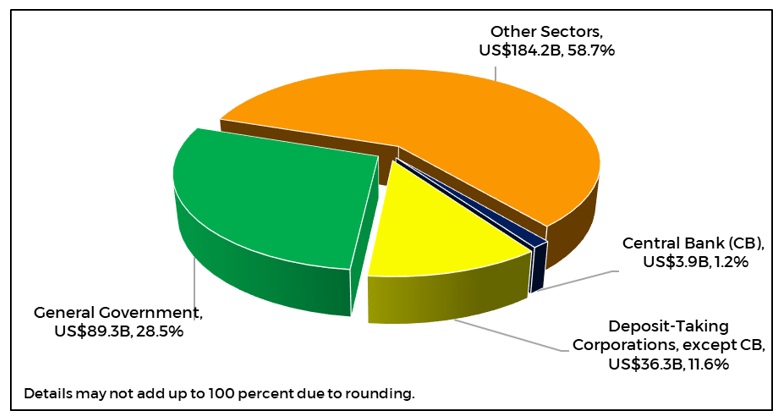
Foreign investments in PH assets by sector (IMAGE CREDIT: BSP)
While a wider net external liability position poses risks to overall financial stability, economic managers remain optimistic. The Philippines’ external position continues to be heavily supported by consistent foreign investment inflows and steady access to international financing corridors.
As the country navigates its new reality as an upper middle-income nation, the bridge between robust domestic digital commerce and global capital will be vital. Moving forward, the challenge for the Philippines will be balancing its accelerating domestic growth with the strategic management of its international balance sheet in a fractured global market.