RCBC Direct Debit PH is now live, giving businesses a way to collect recurring payments directly from customers’ bank accounts through a facility regulated by the Bangko Sentral ng Pilipinas (BSP).
Rizal Commercial Banking Corp. (RCBC) is among the first banks to go live on Direct Debit PH, which is designed to make recurring transactions more convenient for both billers and customers.
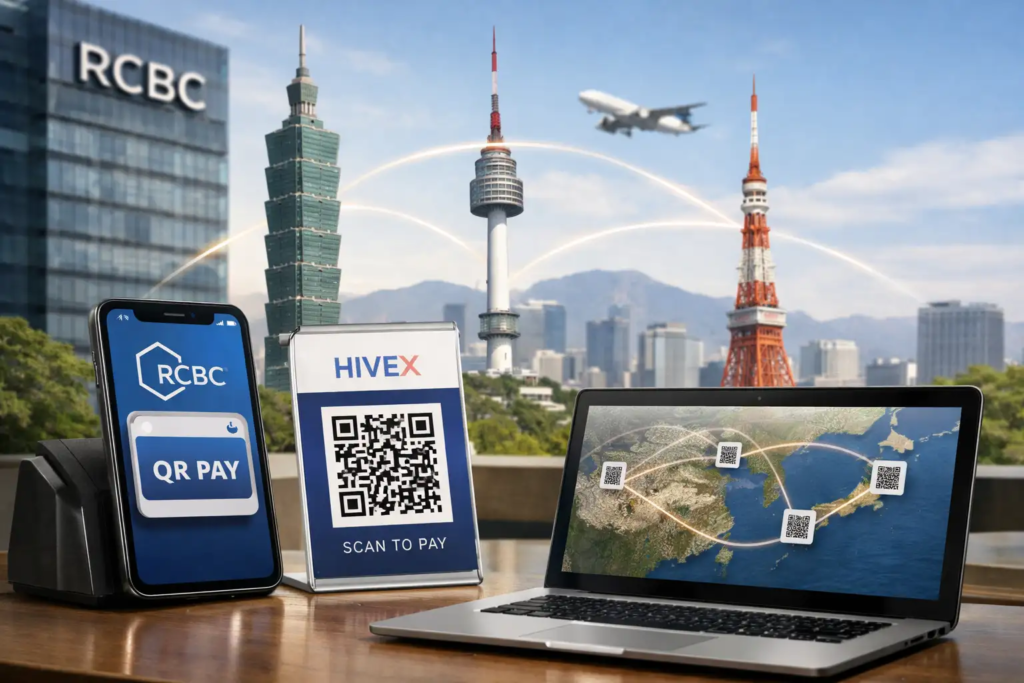
IMAGE CREDIT: RCBC Explores Cross-Border QR Payments Through HIVEX — nstartup
One authorization for recurring payments
Under Direct Debit PH, customers can authorize a business to collect recurring payments from their bank account without having to manually initiate every transaction.
The setup is particularly useful for regular expenses such as utility bills, insurance premiums, subscriptions, loan payments, and other recurring services.
Once the customer provides the required authorization, the biller can collect payments through participating financial institutions.
Payments can cross bank networks
One of the key features of Direct Debit PH is interoperability.
The biller and customer do not need to maintain accounts with the same bank for the payment to be processed. This allows businesses to collect recurring payments from customers across participating banks rather than limiting their services to their own banking customers.
For consumers, this could mean fewer manual transfers and less need to remember payment due dates.
For businesses, the facility could also help streamline collections and reduce the operational work involved in monitoring and following up on recurring payments.
A new layer for digital payments
The launch of RCBC Direct Debit PH adds another layer to the Philippines’ growing digital payments infrastructure.
.png "RCBC Direct Debit PH makes recurring bills payment automatic 3")
The country’s payment ecosystem has increasingly moved toward faster and more interoperable transactions, with systems such as InstaPay, PESONet, and QR Ph supporting different types of digital transfers and payments.
Direct Debit PH addresses a different part of the payment cycle: recurring collections that customers have already authorized.
This makes it particularly relevant as more Filipinos subscribe to digital services and rely on automatic payments for regular financial obligations.
What it means for businesses
For billers, automated collections could improve payment predictability and reduce the number of missed or delayed payments.
Businesses that depend on recurring revenue, including subscription providers, insurers, utilities, and lenders, could benefit from having a standardized mechanism for collecting authorized payments across participating banks.
The system could also reduce reliance on manual payment instructions and reconciliation, potentially making back-office payment operations more efficient.
Making recurring payments less manual
The rollout of RCBC Direct Debit PH reflects a broader shift in Philippine banking toward payment systems that work in the background rather than requiring consumers to initiate every transaction.
For customers, the biggest benefit may simply be convenience. Once properly authorized, recurring bills can be collected without logging into an app or manually transferring funds each time.
As more banks and businesses participate, Direct Debit PH could become another important piece of the country’s push toward a more seamless and interoperable digital payments ecosystem.