
Paying for your purchases used to be a routine of going to a cashier, taking out your wallet, handing over your bank-drawn money, and waiting for your change and receipt.
But today, many Filipinos are openly welcoming the adoption of digital payments in their daily lives, switching their routine to just taking out a phone, opening an app, scanning a QR code, and tapping “pay.”
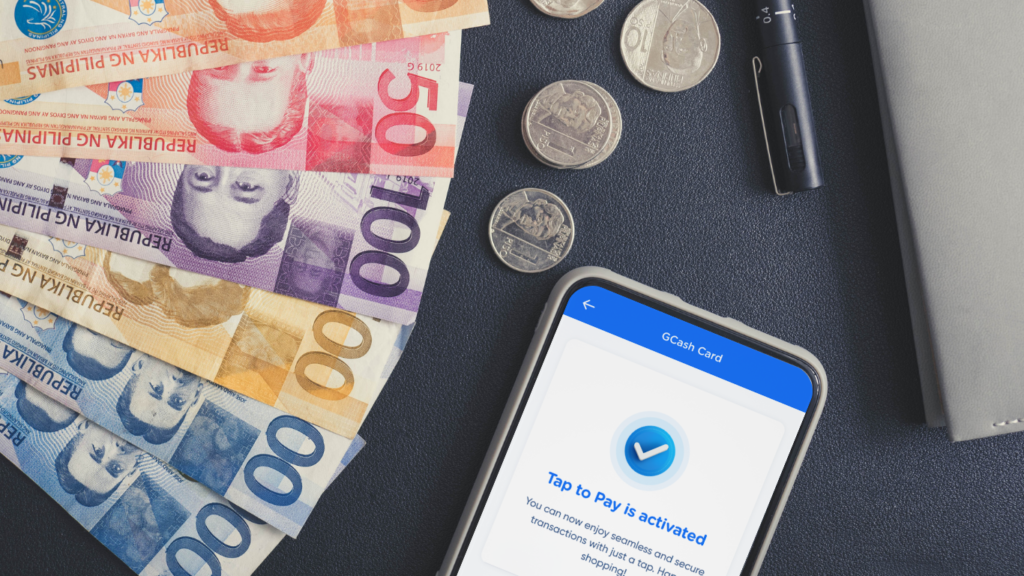
According to a survey conducted by the Bangko Sentral ng Pilipinas (BSP), this shift in behavior is reflected in the massive numbers recorded in the digital retail payments of the Philippines in 2024.
Surpassing the target of 52% to 54%, it reached 57.4%, which was a 4.6-percentage-point increase from the previous year.
This indicates that the country’s economy is transitioning from “cash-heavy” to “cash-light” by choice, making digital payments part of ordinary spending—from commuting and buying groceries to ordering lunch.
QR codes on the road
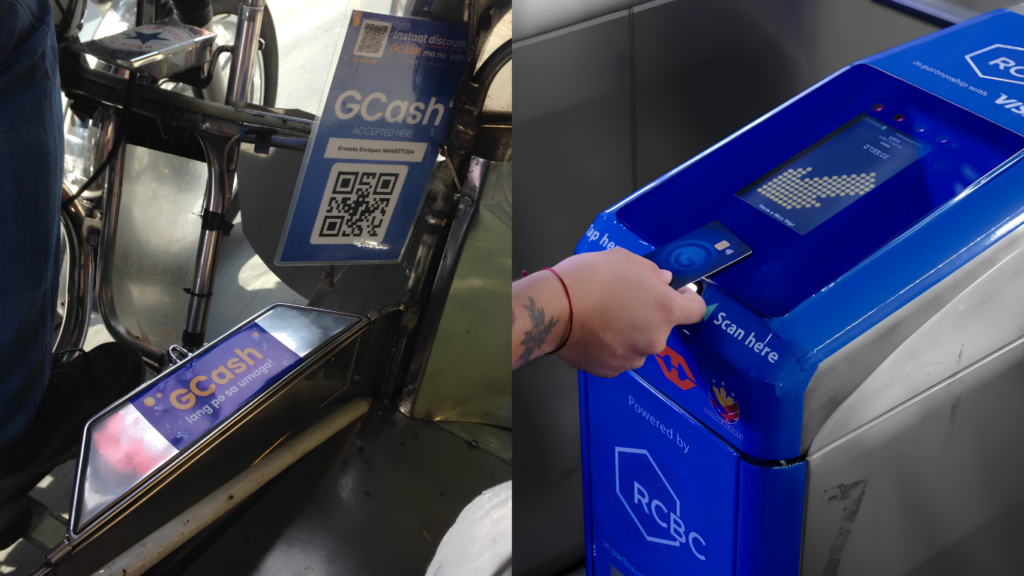
It’s not just vehicles that are racing down the road — QR codes are also speeding up their adoption in the payment ecosystem across all public transit.
Beyond physical stores, digital payment options are now being offered across various modes of transportation. Modern PUVs, including e-jeepneys and buses, are accepting QR payments alongside contactless cards, stored-value cards, and e-wallets, making fare transactions more seamless.
Through the BSP and the Department of the Interior and Local Government’s (DILG) Paleng-QR Ph program, local governments are also pushing QR payments in public markets and local transportation — particularly in tricycles. This brings digital payments to even the simplest aspects of spending within communities.
Moreover, the shift is equally evident in rail and ride-hailing services. At selected train stations, commuters can skip the long ticketing queues and pay using GCash QR, contactless Visa and Mastercard cards, and NFC-enabled devices.
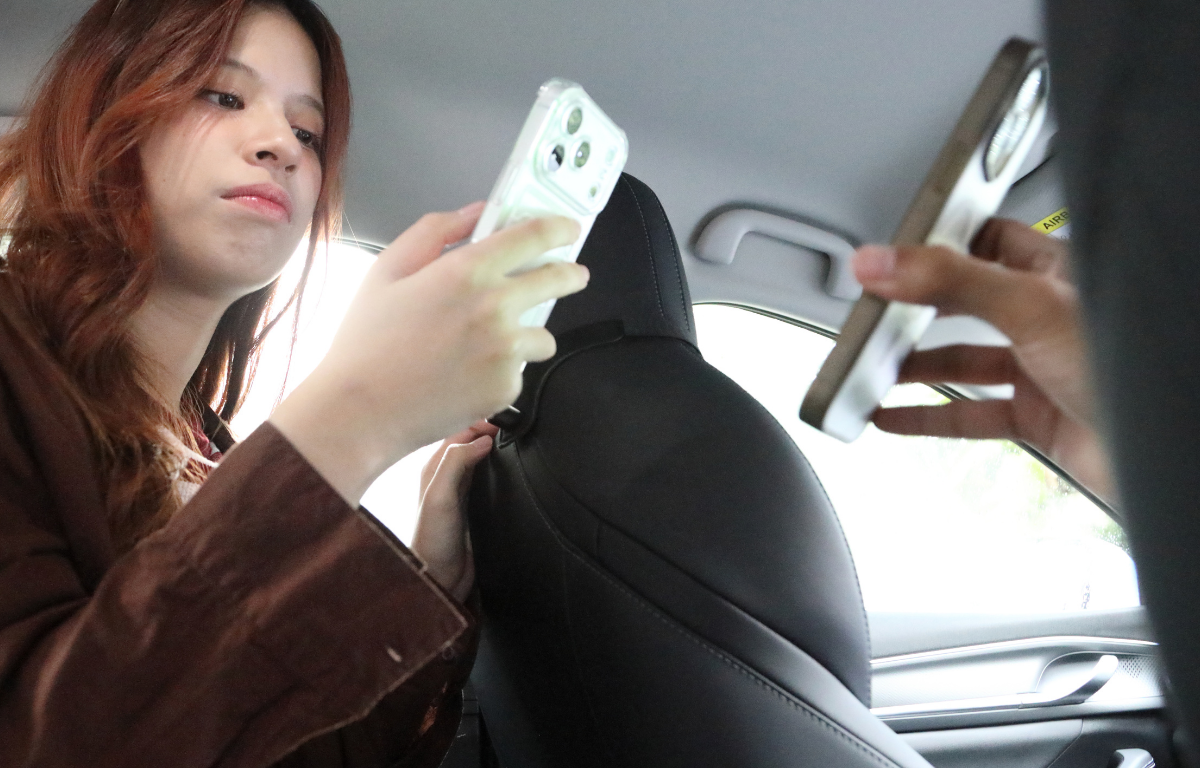
Meanwhile, Transport Network Vehicle Service (TNVS) platforms have integrated digital payments directly into the booking process, allowing passengers to book, ride, and pay without handling cash.
With millions of commuters in the country every day, the introduction of cashless modes of payment has been a habit-changing shift that has made the commuting experience less of a hassle and more instant.
Shopping without cash on hand
Digital payments are no longer limited to large establishments and shopping malls.
As cashless options progressively expand, they are becoming increasingly visible in public markets, community stores, and local bazaar stalls.
In July 2025, the DILG reported that 180 local government units had been onboarded to Paleng-QR Ph. This means cashless payments are being pushed even further among vendors, transport operators, and consumers, making commerce faster, more convenient, and safer.
Aside from contributing to financial inclusion, this expansion may also influence impulse spending. A Forbes survey revealed that 52% of people are more likely to make impromptu purchases when paying digitally, specifically by card.
This tendency occurs because of convenience and the reduced sensation of expenditure when making larger purchases with cards as opposed to cash.
Research from EEG studies also adds that digital transactions trigger a unique psychological response, making spending feel far easier and more spontaneous.
Frictionless food dining and delivery
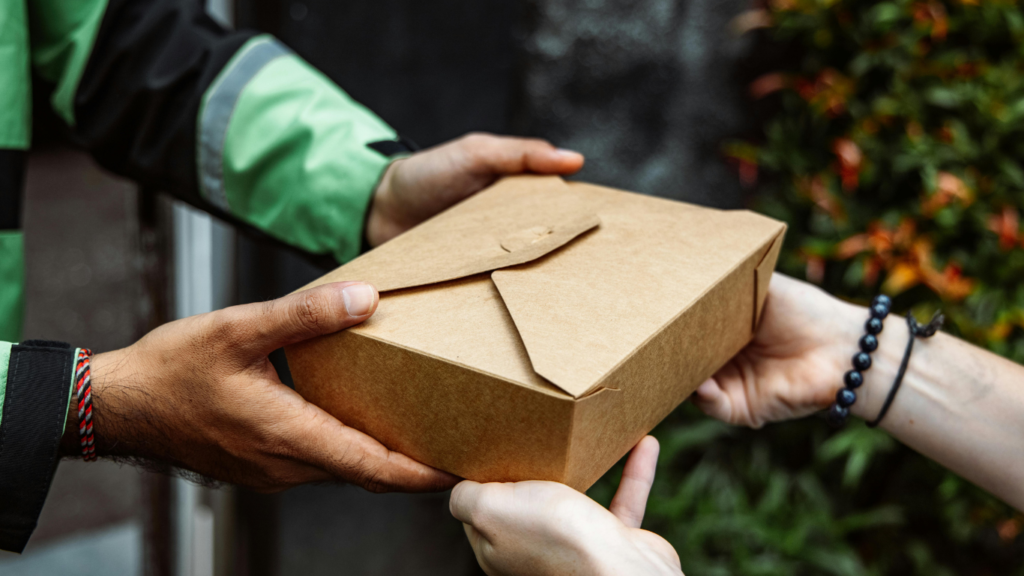
Food brings joy to every Filipino. But enjoying it even more means having the ability to effortlessly order wherever, whenever, and however you want. This is where digital payments come in, transforming how Filipinos order and pay for their meals.
With food delivery and ordering apps, dining and paying have become frictionless. Customers no longer need to travel to a physical branch; they can simply browse menus, personalize their orders, pay digitally, and wait for their food to arrive. This has become a daily habit for most people, especially in fast-paced urban settings.
When ordering with digital payments, checking out is as simple as a tap of your fingertips. Yet beyond convenience and easy customization, digital ordering also unlocks promos and rewards — such as cashback, buy-one-get-one deals, discounts, and new-user freebies — that physical dining rarely offers.
So, it is no surprise that consumer spending habits on food are shifting, and businesses are adapting quickly by integrating multiple digital payment methods and exclusive perks.
The new way Filipinos pay and behave
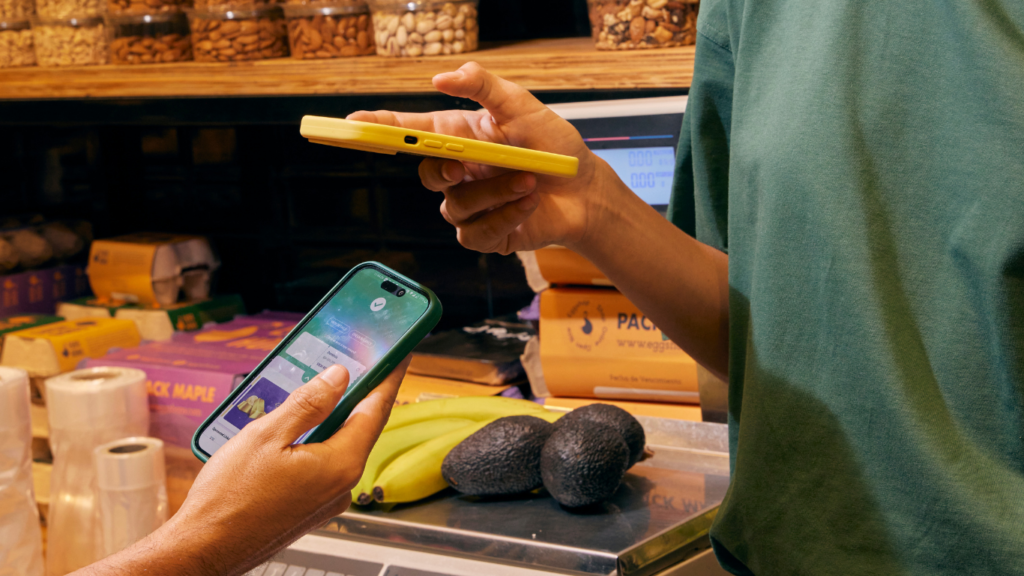
While digital payments continue to dominate the industry, cash isn’t disappearing anytime soon.
In fact, cash remains king for many Filipinos, particularly where access to digital infrastructure is limited. Instead, the Philippines is moving toward a hybrid landscape where cash and digital methods coexist and complement each other.
In this kind of environment, the real shift lies not simply in how Filipinos pay, but in how they navigate their everyday choices and spending habits.