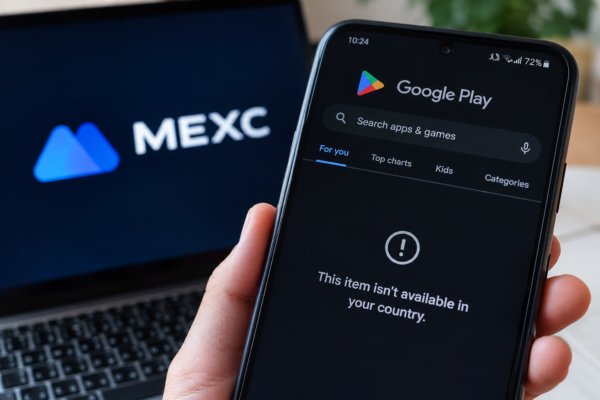

Is crypto legal in the Philippines? I get asked this at family gatherings more than anything else, usually by someone who has already bought something.
So again, is crypto legal in the Philippines? Yes, but with conditions that matter more than the yes.
The regulatory picture
IMAGE CREDIT: BSP
The Bangko Sentral ng Pilipinas (BSP) licenses and regulates Virtual Asset Service Providers (VASPs) under frameworks like Circular No. 1108, which mandates robust anti-money laundering (AML), know-your-customer (KYC) protocols, and compliance with the Financial Action Task Force (FATF) “Travel Rule” for transactions reaching or exceeding P50,000.
Meanwhile, the Securities and Exchange Commission (SEC) governs public offerings, digital securities, and underlying investment products.
Neither regulator has pursued prohibition. The consistent condition is simple: operate here, register here, be supervised here.
Local industry pioneers like Coins.ph have set a strong compliance benchmark by operating under dual oversight as both a licensed VASP and an Electronic Money Issuer (EMI), even piloting groundbreaking initiatives like the country’s first peso-pegged stablecoin (PHPC) within regulatory frameworks.
What that means practically
Owning and trading crypto is lawful. Using an unlicensed platform is where you lose protection.
If a platform is not registered, you have no domestic recourse when something goes wrong. That is the whole risk.
The Binance situation

IMAGE CREDIT: Binance
Binance previously operated here without local authorisation and faced access restrictions.
It is now working toward a compliant local return through BlockShoals Technologies, which joined Fintech Alliance PH, with a named local general manager.
Preparing to launch and being licensed to launch are different states. Watch for the second.
Before you use any exchange
Check registration with the BSP or SEC. Check whether the product offered is spot trading or leveraged derivatives, which regulators treat very differently.
Check withdrawal terms before depositing, not after.
Tax
Gains are taxable. Treatment depends on how you hold and trade, so speak to an accountant rather than a forum.
For the institutional side of blockchain here, see stablecoins and the digital peso.
The bottom line
So is crypto legal in the Philippines? Yes — and the answer to is crypto legal in the Philippines matters far less than whether your platform is licensed.
—
Disclaimer: This article is for news and informational purposes only and should not be construed as financial or investment advice or an endorsement of any cryptocurrency or platform. Crypto-assets are highly speculative and involve significant risks. Readers should verify the regulatory status of crypto service providers with the BSP and the SEC before making any investment or transaction.