
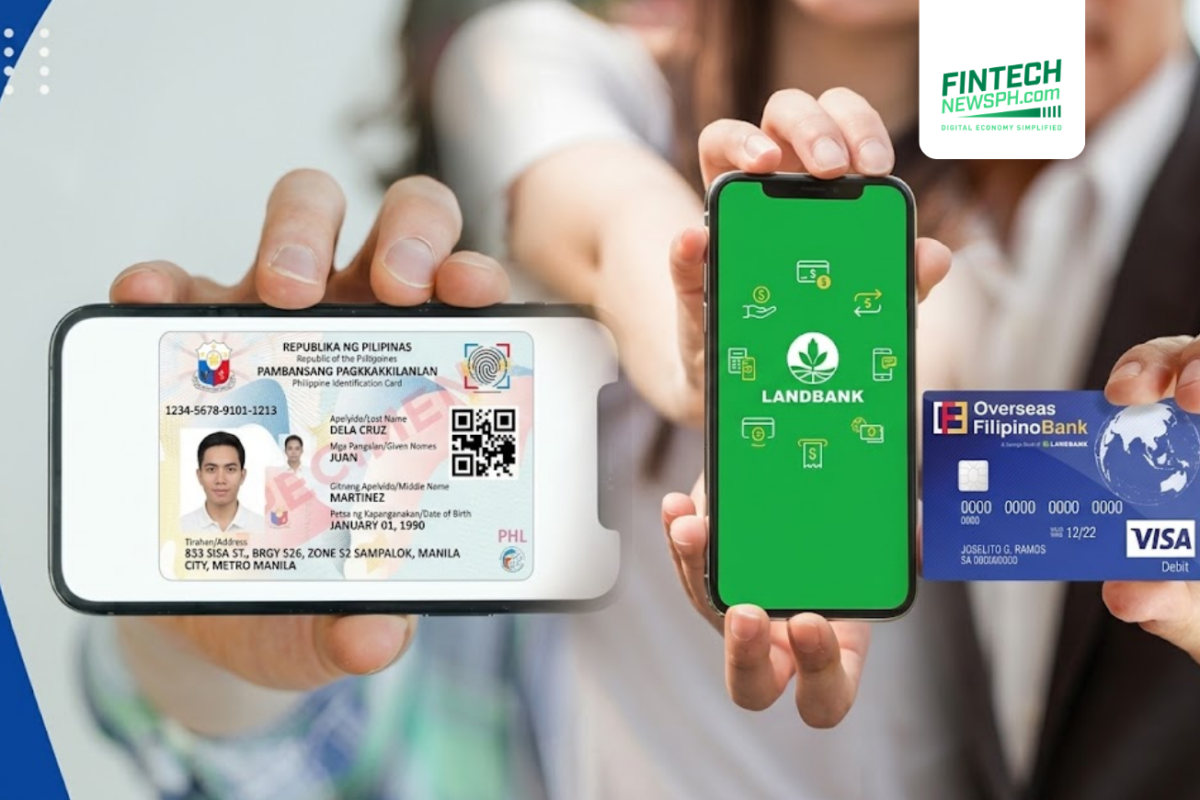
Opening a bank account is becoming less dependent on physical paperwork as the Philippine Statistics Authority (PSA) integrates the National ID into the digital onboarding systems of Land Bank of the Philippines (LANDBANK) and Overseas Filipino Bank (OF Bank).
The integration allows registered and verified Filipinos to open digital bank accounts through the banks’ mobile applications using live selfies or facial verification. Customers no longer need to upload copies of their physical IDs during the account-opening process.
The move gives the National ID a more practical role in the financial system. Instead of serving mainly as a government-issued proof of identity, it is increasingly becoming a digital infrastructure that can help financial institutions verify customers faster and more securely.
From physical IDs to digital verification
The integration uses the PSA’s National ID Authentication Services (NIDAS), which allows participating institutions to authenticate a person’s identity against information in the National ID system.
For LANDBANK and OF Bank customers, this means identity verification can happen through facial authentication during digital account opening.

The PSA said the system is designed to simplify customer onboarding, reduce reliance on manual verification, strengthen protection against identity fraud, and make banking more convenient.
The change may appear small to customers, but removing the need to scan, photograph, upload, or manually verify physical identification can eliminate one of the common friction points in digital account opening.
For people who already have a National ID but do not have their physical card readily available, the process can also make access to formal banking more straightforward.
LANDBANK President and CEO Ma. Lynette V. Ortiz said the bank had already opened 155,000 accounts since adopting the National ID authentication service and expects that number to grow further.
A bigger opportunity for financial inclusion
The significance of the integration goes beyond convenience.
For financial institutions, customer onboarding is closely tied to financial inclusion. The easier it becomes to establish a verified financial identity, the easier it can be for more Filipinos to enter the formal banking system.
This is particularly relevant for customers who may have previously encountered barriers involving documentation, distance, or lengthy account-opening procedures.
LANDBANK has already had a long-running role in using National ID infrastructure to bring more Filipinos into formal finance. In 2021, the PSA said its co-location program with LANDBANK had helped around 5.9 million National ID registrants open first transactional accounts.
The latest integration takes that relationship a step further by bringing identity authentication directly into digital banking.
That shift matters as more banking activity moves from branches to mobile applications. If identity verification remains dependent on physical documents, digital onboarding can still retain an important offline bottleneck.
OF Bank brings the use case overseas
The integration is particularly significant for OF Bank because its customers include Filipinos living and working abroad.
As a fully digital bank serving overseas Filipinos, OF Bank can use National ID authentication to make account opening easier for customers who may be thousands of kilometers away from the Philippines.

OF Bank President and CEO Leila C. Martin said the integration allows overseas Filipinos to open accounts more securely and quickly through the bank’s digital services.
For overseas Filipinos, removing the need to physically present or upload an identification document can make the digital banking experience more seamless.
It also demonstrates how a national digital identity system can support financial services beyond the country’s physical borders.
National ID is becoming banking infrastructure
LANDBANK and OF Bank are not the only financial institutions moving in this direction.
The PSA said the National ID and its authentication services have also been integrated with GCash, Asia United Bank’s HelloMoney, and Philippine National Bank’s PNB Digital. The agency said these integrations are helping improve the speed and security of client onboarding.
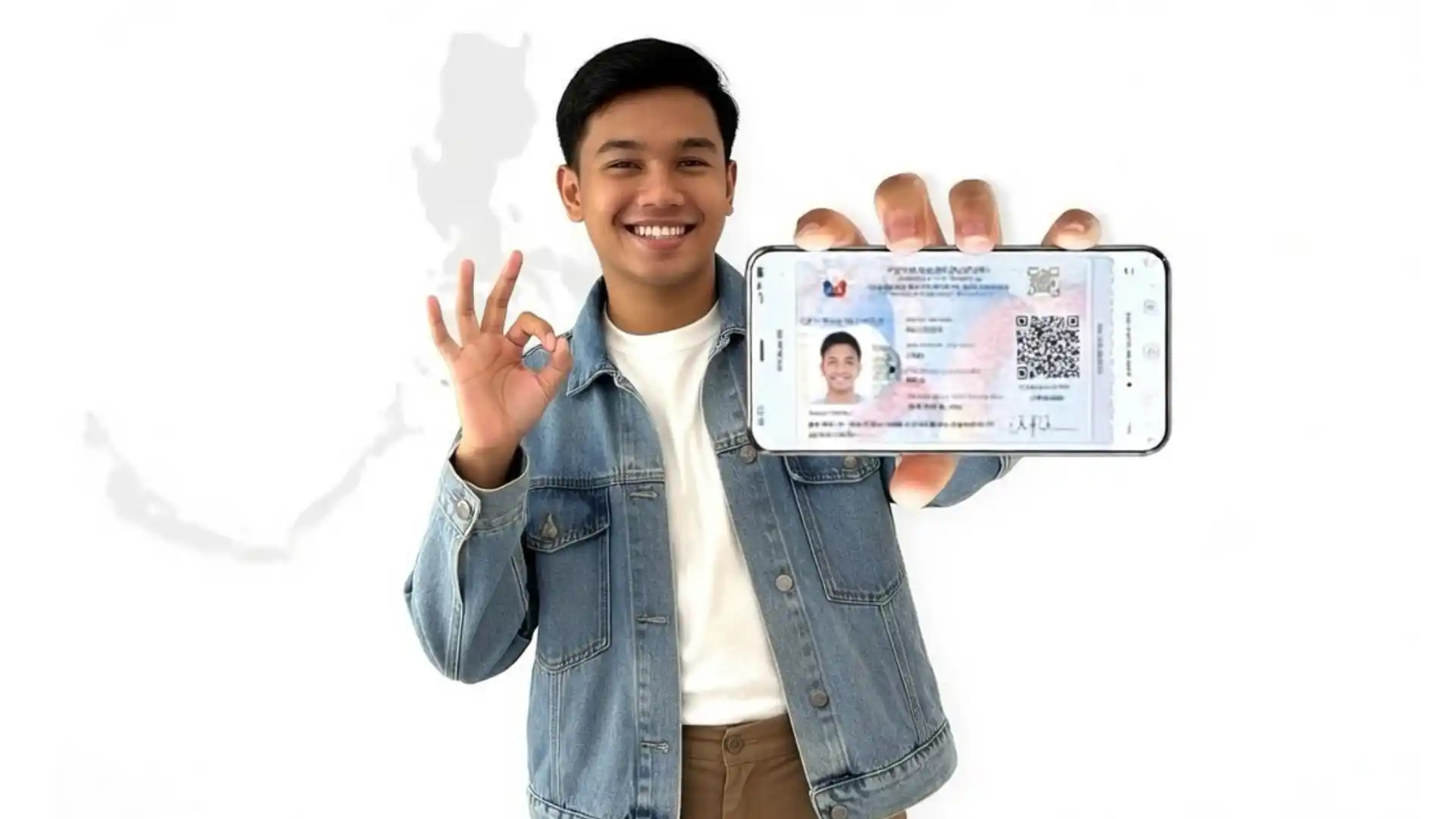
BPI also adopted NIDAS in August, allowing customers to use facial verification as part of digital account opening. The PSA described the partnership as part of efforts to remove paper-based barriers to banking.
The growing number of integrations suggests that the National ID is gradually moving from being a standalone identification program to becoming a shared layer of digital infrastructure.
That could have wider implications for the Philippine financial system.
The same trusted identity layer could eventually support more services where customer verification is required, from account opening and payments to other financial products and government services.
The challenge is making trust as seamless as access
Making account opening easier is only one part of the equation.
As more financial institutions rely on biometric authentication and shared digital identity infrastructure, security, privacy, system reliability, and fraud prevention become increasingly important.
The value of National ID integration ultimately depends on whether customers can trust that their identities are being authenticated accurately and their information is being handled responsibly.
For banks, that means digital onboarding cannot simply be about removing paperwork. It also has to maintain strong know-your-customer controls and protect customers against identity-related fraud.
For customers, however, the direction is clear: opening a bank account is gradually becoming less about proving who you are through a stack of documents and more about securely verifying your identity through digital infrastructure.
With LANDBANK and OF Bank now integrated with the National ID, the country’s digital identity system is taking another step toward becoming part of the everyday banking experience.