
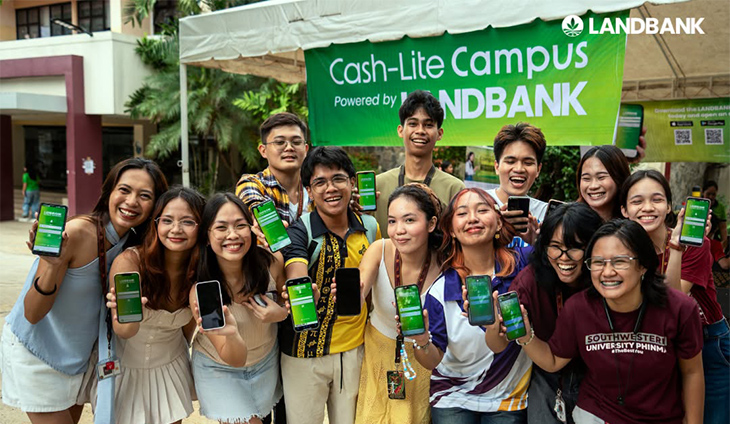
LANDBANK has expanded its Cash-Lite Campus Initiative to more than 66,000 students, faculty members and other campus users and stakeholders across 23 academic institutions nationwide, bringing digital banking and financial education closer to Filipino students.
The state-owned bank said the program is designed to make everyday campus transactions faster and more convenient while helping young Filipinos develop practical financial skills.
Since its launch in April 2025, the initiative has introduced digital tools for activities ranging from opening bank accounts to paying school fees and making purchases within campus communities.
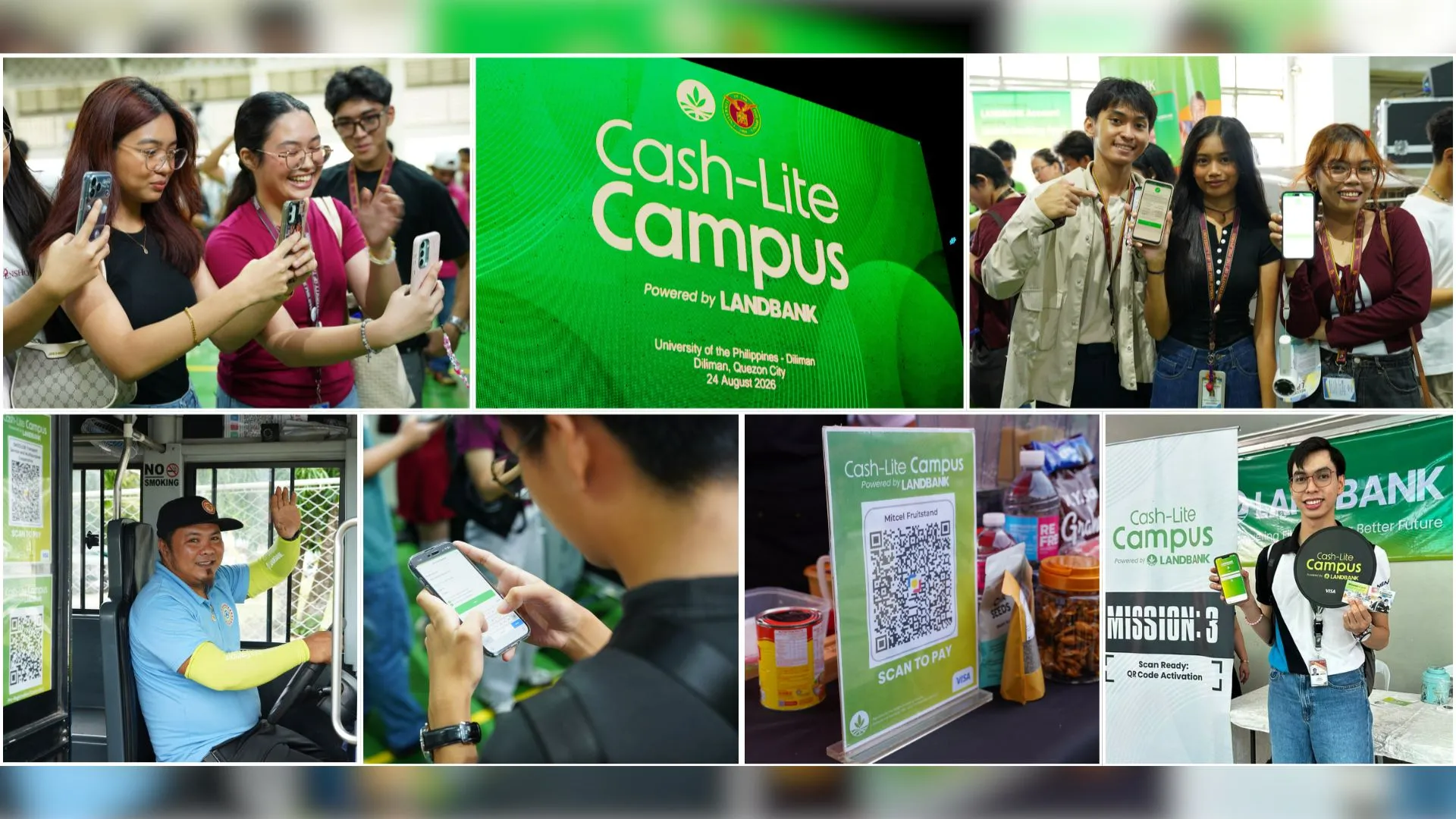
The program also extends beyond students. Campus food vendors, micro-merchants and transport providers can be connected to formal banking and digital payment services, creating a broader cash-lite ecosystem around participating schools.
LANDBANK brings banking directly to campuses
The Cash-Lite Campus Initiative is designed to integrate digital banking into routine activities that students and other members of a school community already perform.
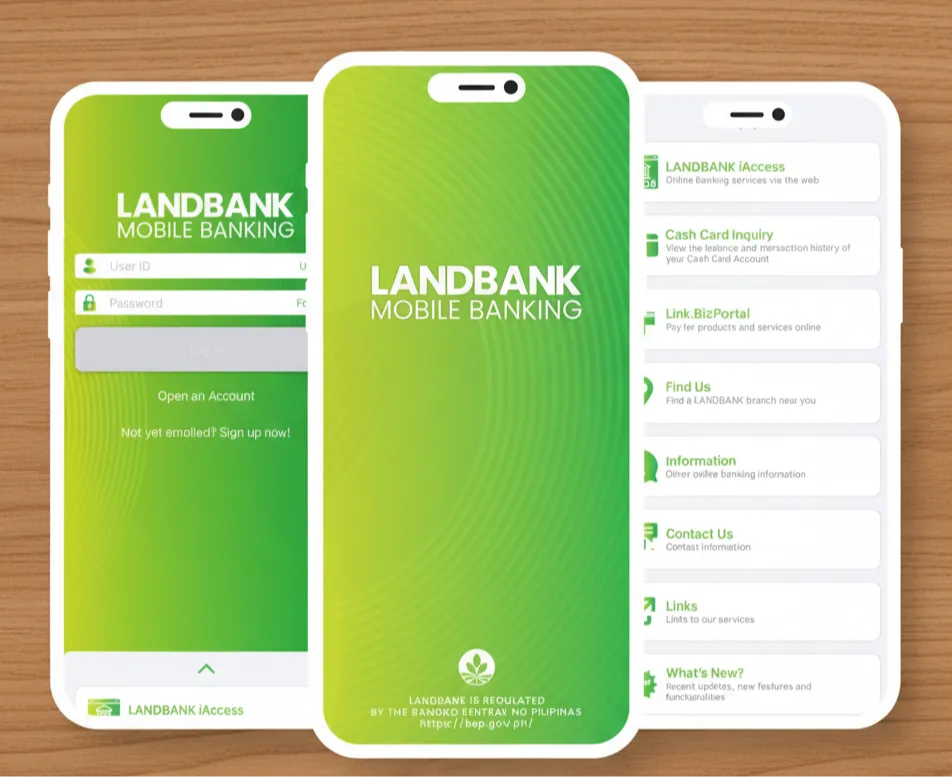
Through the LANDBANK Mobile Banking App (MBA), students can open accounts through their mobile phones and manage transactions digitally.
The bank also promotes its PISO Plus account, which can be opened without an initial deposit or maintaining balance, making it accessible to first-time account holders.
Students can use digital banking for fund transfers, bill payments, e-commerce transactions and other financial activities. This gives them an opportunity to become familiar with formal banking while still in school.
For participating institutions, LANDBANK also offers Link.BizPortal, its online payment platform, which can be used to accept tuition and other school-related fees. The setup can reduce the need for students and parents to visit payment counters for routine transactions.
Cash-lite campuses go beyond student payments
LANDBANK’s approach is not limited to replacing cash at school canteens.
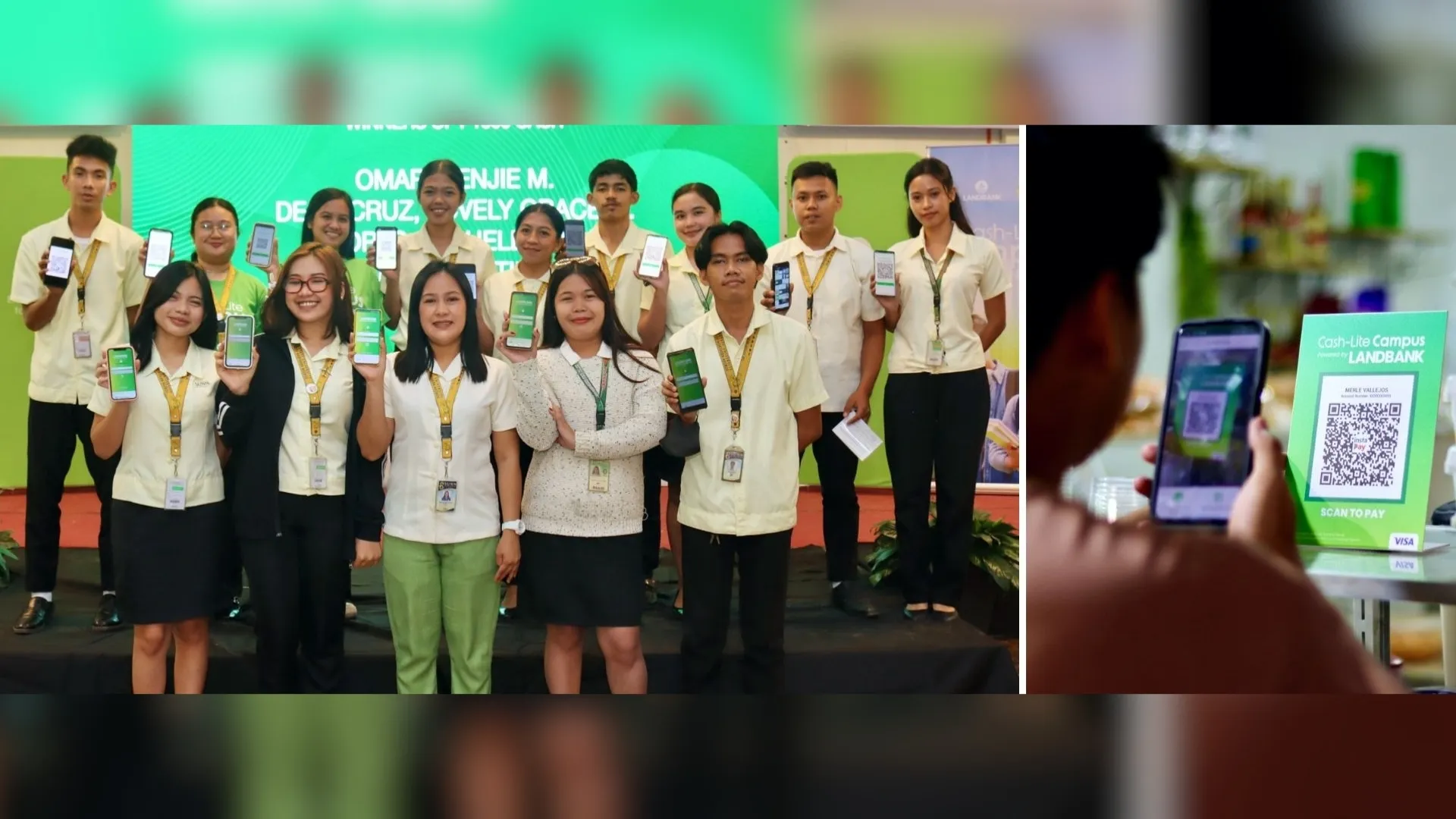
The initiative is designed to connect different parts of the campus economy, including food vendors, merchants and transportation providers, to digital financial services. This allows students to use digital payments while giving campus businesses access to formal banking channels.
LANDBANK digital banking initiative
The model was first introduced at Central Luzon State University (CLSU) in April 2025, where LANDBANK established what it described as the country’s first Cash-Lite Smart University.
The program introduced digital payment solutions for students, faculty and staff, as well as business centers, food carts, merchants, vendors and university transport operators.
The expansion since then has brought the concept to campuses in different parts of the country.
Participating institutions include campuses of the University of the Philippines, University of Makati, Central Luzon State University, Nueva Vizcaya State University, Southern Leyte State University and Central Mindanao University, along with other state universities and colleges.
Students get digital banking and financial education
LANDBANK is pairing the rollout of digital payment tools with financial literacy activities.
During a recent Cash-Lite Campus rollout at Western Mindanao State University in Zamboanga City, students participated in interactive activities and financial education sessions covering digital banking safety, budgeting and cyber hygiene.
The approach is significant because introducing students to digital financial services also means teaching them how to use those services responsibly.
Rather than treating digital banking simply as a faster way to pay, LANDBANK is positioning the campus program as an early introduction to financial management. Students can learn how to monitor expenses, manage budgets and protect their accounts while using actual banking tools.
WMSU student Shieha A. Malon said opening an account through the LANDBANK Mobile Banking App allowed her to avoid visiting a branch while helping her monitor expenses and manage her budget.
Digital banking becomes part of everyday campus life
The Cash-Lite Campus model reflects a broader shift in how financial services can be integrated into everyday environments.
For students, digital payments can cover routine purchases such as food and school-related expenses. For universities, digital collections can reduce manual handling of payments and potentially make transactions easier to track.

At Southern Leyte State University, which signed an agreement with LANDBANK in August 2026, the planned Cash-Lite Campus ecosystem includes digital transaction channels for students, faculty, staff and external stakeholders.
The university said the initiative is expected to provide real-time crediting, automated reconciliation and improved audit trails.
This means the shift away from cash can affect administrative operations as well as consumer payments.
For schools, digital transactions can provide greater visibility into collections and payments. For students and campus businesses, meanwhile, digital banking can reduce dependence on physical cash.
LANDBANK is targeting young Filipinos early
The expansion also gives LANDBANK an opportunity to introduce formal financial services to young Filipinos at an early stage of their financial lives.
Students who open their first bank account through a campus initiative can become familiar with saving, digital payments, fund transfers and account management before entering the workforce.
This is particularly relevant as younger consumers increasingly encounter digital financial services through mobile apps, e-commerce platforms and digital wallets.
LANDBANK President and CEO Lynette V. Ortiz said the program goes beyond making payments easier by giving students and campus entrepreneurs practical financial tools for everyday transactions.
“By introducing digital banking early, we help young Filipinos build responsible financial habits and prepare for an increasingly digital economy,” Ortiz said.
The program has continued expanding in 2026
LANDBANK has continued rolling out the Cash-Lite Campus program to additional schools throughout 2026.
In February, the bank brought the initiative to Metro Dumaguete College, making it the first higher education institution in the Visayas to adopt the cash-lite ecosystem. More than 2,500 students, along with teaching and non-teaching personnel and campus partners, were included in the rollout.
LANDBANK also launched the initiative at the State University of Northern Negros, serving more than 2,000 students and campus partners. The rollout included PISO Plus account opening, QR-enabled person-to-merchant payments and financial education covering budgeting, saving and secure digital spending.
The bank’s campus expansion has therefore evolved from a single pilot into a nationwide digital banking initiative.
LANDBANK’s digital push extends beyond campuses
The 66,000-plus campus users are part of a much broader digital transformation effort at LANDBANK.
The bank processed 800.26 million digital transactions worth ₱4.41 trillion in 2025, according to figures reported earlier this year. Its LANDBANK Mobile Banking App had reached 2.40 million users by the end of 2025, while Link.BizPortal processed 8.75 million transactions valued at ₱16.13 billion.
The Cash-Lite Campus Initiative gives that digital infrastructure a more targeted role by placing it directly in educational communities.
Rather than asking students to adapt to digital banking only after entering the workforce, LANDBANK is introducing those tools while they are still in school. The approach also brings campus merchants and service providers into the same digital ecosystem.
From cashless payments to financial inclusion
LANDBANK’s campus strategy shows how digital banking can extend beyond mobile applications and online transactions.
A cash-lite campus effectively becomes a small financial ecosystem where students can access banking services, merchants can accept digital payments, schools can collect fees electronically and users can learn how to manage money through real-world transactions.
For LANDBANK, the expansion to more than 66,000 campus users represents another step in its financial inclusion and digital transformation strategy.
For students, it can mean opening a first bank account without visiting a branch, paying digitally and learning how to manage money through tools they can continue using beyond university.
As more schools adopt cash-lite systems, the initiative could also give young Filipinos earlier exposure to formal financial services and the responsibilities that come with using them.