
Editor’s note: This article is based on the writer’s firsthand experience using Kyoo during a hospital visit in Las Piñas City, including informal conversations with other patients. Some names have been changed for privacy.
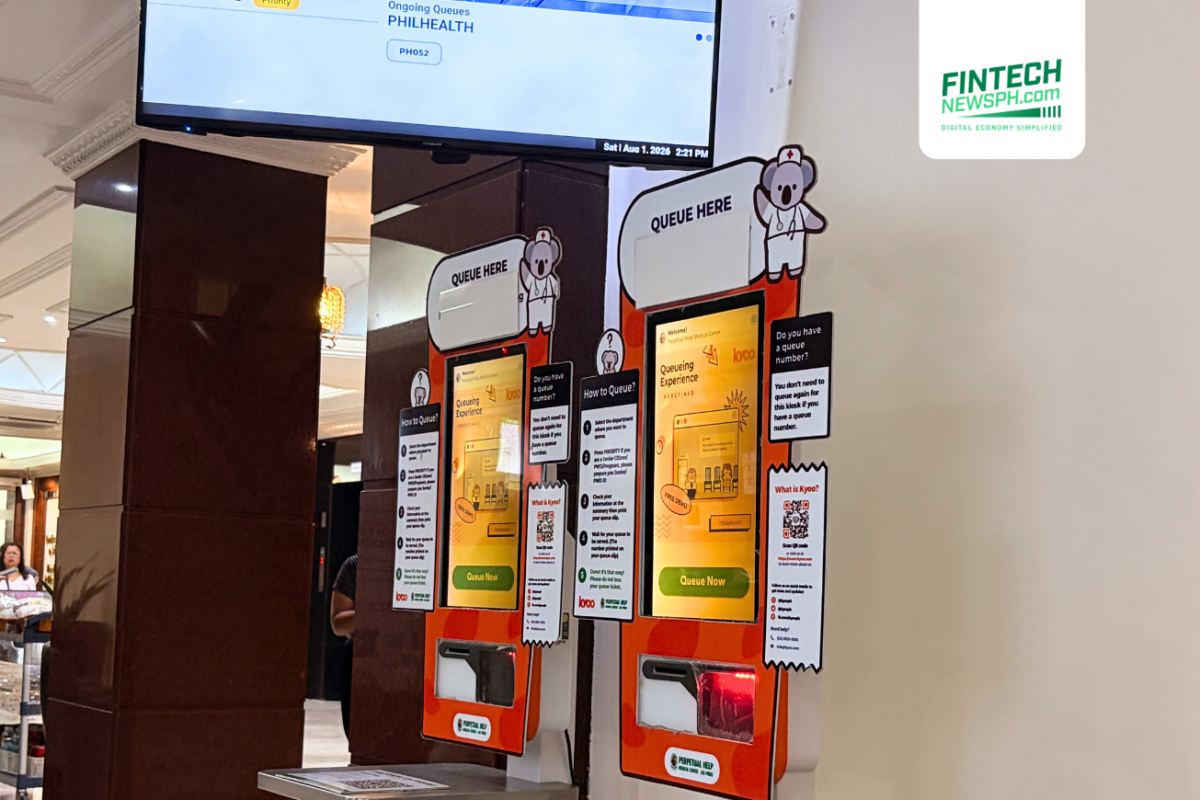
Hospital queueing system Kyoo was one of the technologies that stood out to me during a recent visit to a hospital in Las Piñas City.
A queueing machine may not sound particularly groundbreaking. Similar kiosks can already be found in banks, government offices, restaurants, and other establishments. Inside a hospital, however, its value becomes much easier to appreciate.
Patients are often tired, unwell, or worried about a family member. Some are carrying medical documents, laboratory requests, and payment receipts as they move between different departments. Having to stand in yet another long line only adds to an already stressful experience.
During my hospital visit, I went through the Kyoo queueing process several times. Each time, I selected the service I needed, received a queue number, and waited for it to be called.
The process was generally smooth. Instead of standing in a long physical line in front of a counter, patients could take a seat and wait more comfortably.
Still, after using the machine several times and chatting with some of the people seated beside me, I noticed something important: the experience was not equally easy for everyone.
A digital system that replaces the physical line
Kyoo is a Philippine-developed, cloud-based queue management platform launched in 2018 by Taguig-based software company Leisue, Inc.
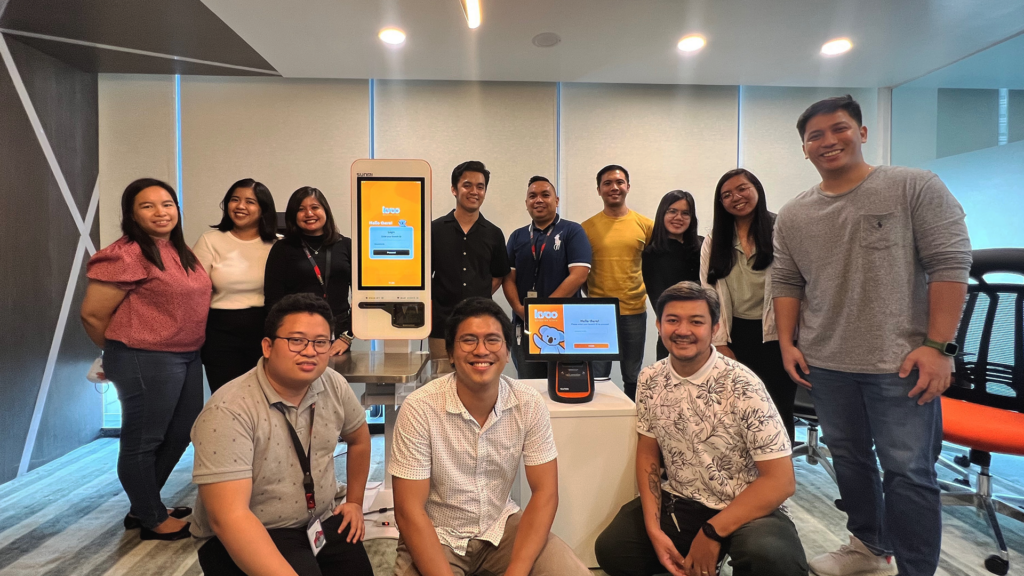
The broader Kyoo platform supports self-service kiosks, digital displays, online queueing through QR codes or business links, web-based queue monitoring, and SMS notifications. Organizations can also use its dashboard to manage service windows, monitor staff activity, and generate reports.
Not every location necessarily uses all of these features. At the hospital I visited, the most visible parts of the system were the touchscreen kiosk that issued queue numbers and the digital displays showing which numbers were being served.
From my experience, the system eliminated the need to stand in a long physical line. Once I secured my queue number, I could find a seat and wait comfortably without having to remain directly in front of the counter.
That may seem like a small convenience, but it can make a meaningful difference for someone who is ill, recovering from treatment, or accompanying an elderly relative.
Different generations, different experiences
Going through the queueing process several times also gave me the opportunity to speak casually with some of my “seatmates” while we waited.
Most spoke positively about the system. However, their level of comfort appeared to vary depending on their age and familiarity with touchscreen technology.
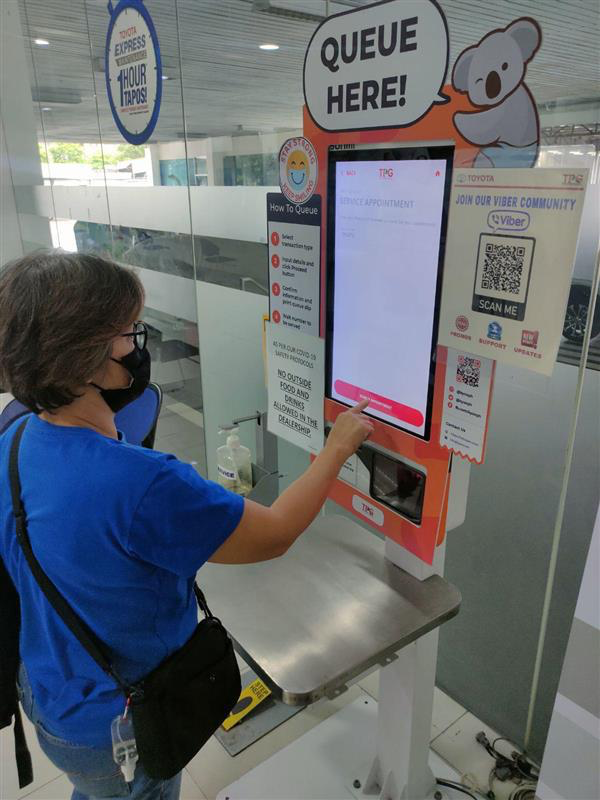
A customer uses a Kyoo touchscreen queueing kiosk at an automotive service center. (IMAGE CREDIT: Freepik)
Those in their 20s and 30s generally found the machine convenient and intuitive. The process felt familiar because it resembled ordering through a restaurant kiosk, using an automated teller machine, or completing a transaction through a mobile application.
Rain, 27, was particularly enthusiastic about the system. “It makes the process more seamless,” she said.
Instead of standing in line and repeatedly checking whether it was moving, younger patients could simply obtain their queue numbers, take a seat, and monitor the display.
Patients in their 40s and 50s were also generally positive about the system. Many appreciated the more organized setup, particularly when accompanying children, elderly parents, or other relatives.
Some, however, still looked for confirmation from hospital personnel before proceeding. They wanted to be certain they had selected the correct department or service and that their queue numbers had been properly registered.
The experience became more challenging for some patients in their 60s and older.
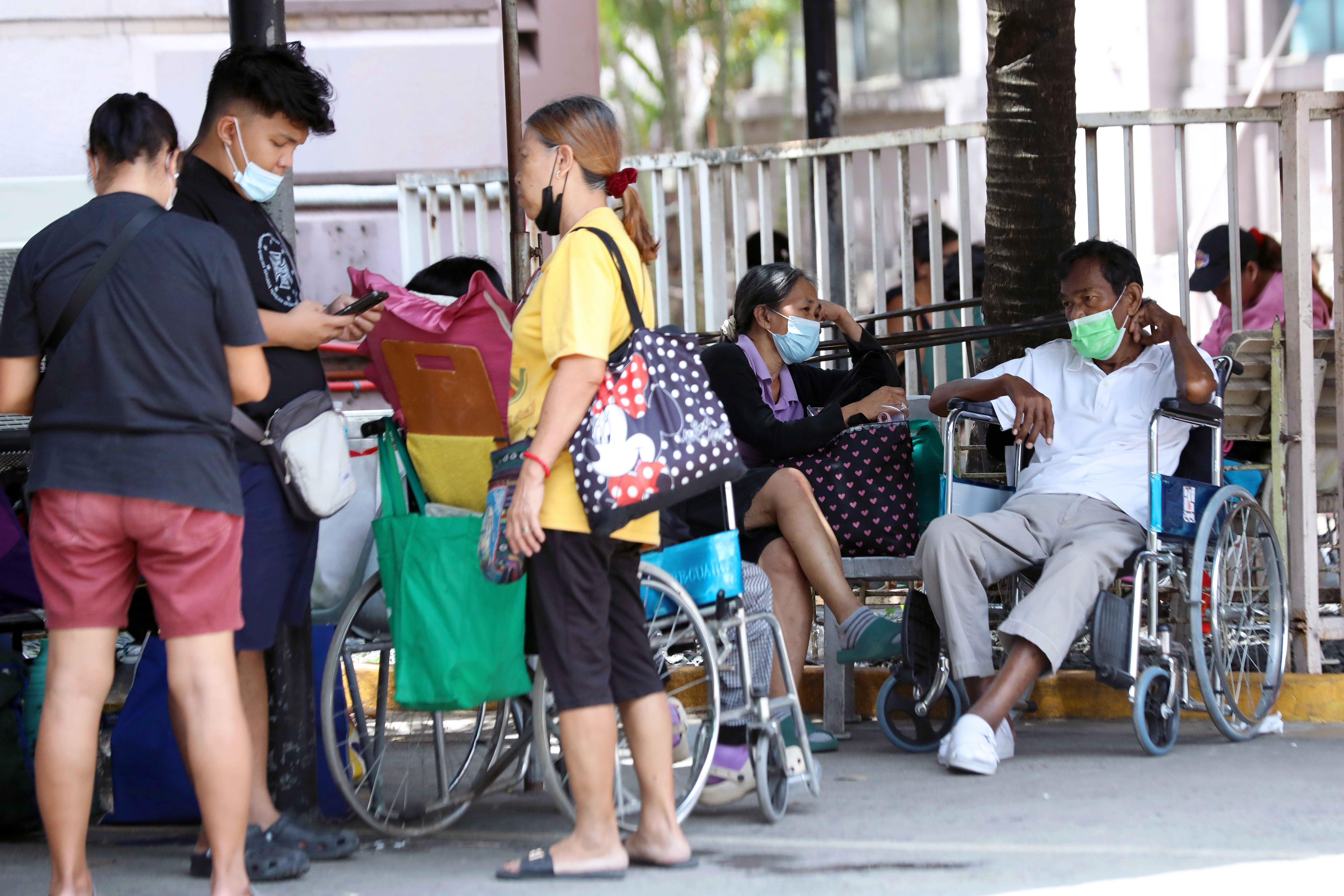
While many senior citizens benefit from not having to stand in long lines, some appeared uncertain about how to operate the machine. They hesitated over which option to select, where to tap the screen, or what to do after receiving their queue number.
On one occasion, I assisted two elderly patients who were unfamiliar with the process.
They were not opposed to the technology. They simply needed someone to guide them through a system they had never used before.
The patients who benefit most may need the most help
One of the senior patients I spoke with — whom I’ll call Nanay Alma to protect her privacy — appreciated being able to sit while waiting. However, she admitted she would have struggled to use the machine without assistance.
“Mas gusto ko na nakaupo na lang habang naghihintay, pero hindi pa rin ako sanay sa touchscreen at medyo malabo na rin ang paningin ko, kaya kailangan ko pa ng tulong. Hindi naman ako nahihiyang magpaturo,” she said.
Her experience captured the contradiction at the heart of digital queueing systems in hospitals.
Senior citizens may benefit the most from eliminating long physical lines. Standing for extended periods can be uncomfortable—or even difficult—for patients with mobility issues, chronic illnesses, or poor balance.
At the same time, they may also be the patients most likely to struggle with unfamiliar touchscreen interfaces, small text, multiple menu choices, and digital instructions.
That made me wonder how many elderly patients encounter the same challenge, particularly those who visit hospitals alone.
On this particular visit, I happened to be nearby and was able to assist the two senior citizens I encountered. Another patient may not always be nearby — or willing — to offer assistance. Nor is there any guarantee that an elderly patient will ask for help.
Some may feel embarrassed, worry about inconveniencing others, or simply press an option without knowing whether it is the correct one.
Technology should not replace human assistance
The solution is not to abandon digital queueing and return to crowded physical lines.
Kyoo made my hospital transactions more organized, comfortable, and predictable. It allowed patients to wait while seated and reduced congestion around service counters.
What my experience highlighted instead is that digital transformation works best when it is supported by human assistance.
Hospitals using self-service queueing machines could station a staff member or patient assistance officer near the kiosk, especially during busy hours. That person would not need to operate the machine for everyone but could quickly step in when a senior citizen, person with a disability, or first-time user needs assistance.
The kiosk itself could also become more accessible by offering larger text, clearer language options, audible instructions, and a prominently displayed option for senior citizens and persons with disabilities.
Printed instructions placed beside the machine could also help, provided they are short, easy to understand, and easy to read. A manual alternative should likewise remain available for patients who are unable to use a touchscreen comfortably.
Hospitals could also make greater use of the data generated by their queueing systems. Kyoo says its platform provides real-time monitoring, staff activity tracking, and downloadable reports that could help administrators identify peak periods, congested departments, and services that consistently generate the longest waiting times.
A smoother hospital experience — with one condition
My experience with Kyoo at a hospital in Las Piñas City was overwhelmingly positive.
I found the machine easy to use, the queue was well organized, and I did not have to remain standing while waiting for my turn. Rain and several other patients I spoke with shared similar views.
But the two elderly patients I assisted — and my conversation with Nanay Alma — reminded me that a system can function perfectly from a technical standpoint while still creating barriers for some of the people it is meant to serve.
The effectiveness of hospital technology should not be measured solely by how quickly a digitally savvy patient can complete a transaction.
It should also be judged by whether an elderly person visiting alone can understand the process, obtain the correct queue number, and confidently wait for their turn without feeling confused or left behind.
Kyoo demonstrates how technology can eliminate long physical lines and make a hospital visit less exhausting. Its greatest value, however, will depend on whether hospitals pair that efficiency with thoughtful design and people who are ready to lend a hand when needed.
The best hospital technology doesn’t eliminate the human element. Instead, it gives healthcare workers better tools while ensuring that patients continue to receive the assistance they need most.