
The message said my bank had flagged a ₱10,000 charge, and gave me a number to call. I had already started dialing when it hit me: I did not have ₱10,000.
My half-month pay then was ₱4,900.
The scam did not fail because I was careful. It failed because it guessed a number bigger than my life.
Payment tokenization would not have saved me that day either.
It is still one of the most useful things quietly happening to your card, and few people explain it plainly.
What payment tokenization actually does
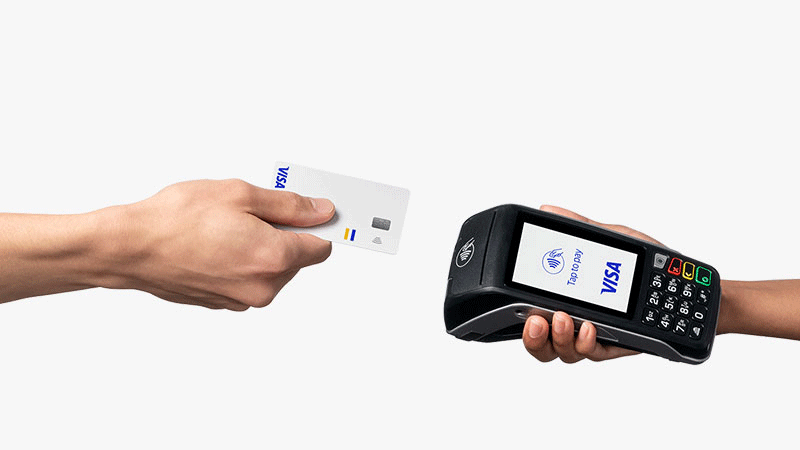
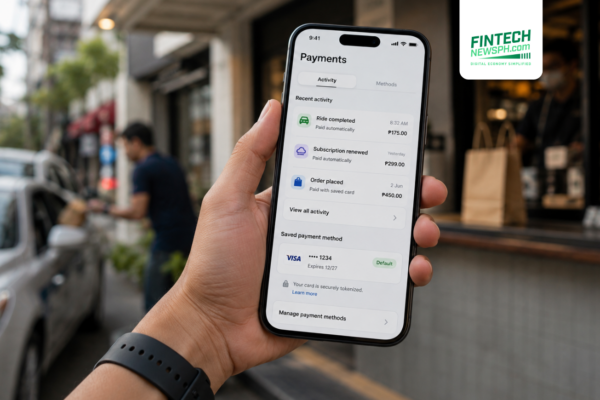
When you save a card to a wallet app — whether GCash, Maya, Apple Pay, or an online payment platform — the merchant never keeps your 16-digit card number.
Instead, it stores a payment token: a substitute string tied to that wallet and device, often useless anywhere else. Many implementations also pair it with biometric authentication, such as a fingerprint or facial recognition, on the phone itself.
So when that merchant suffers a data breach, attackers walk away with a code that cannot easily be used elsewhere.
The principle is simple: store less sensitive data, expose less information if a breach occurs. It’s the same idea behind banks verifying customers against the National ID instead of storing uploaded identification documents.
Why it matters now
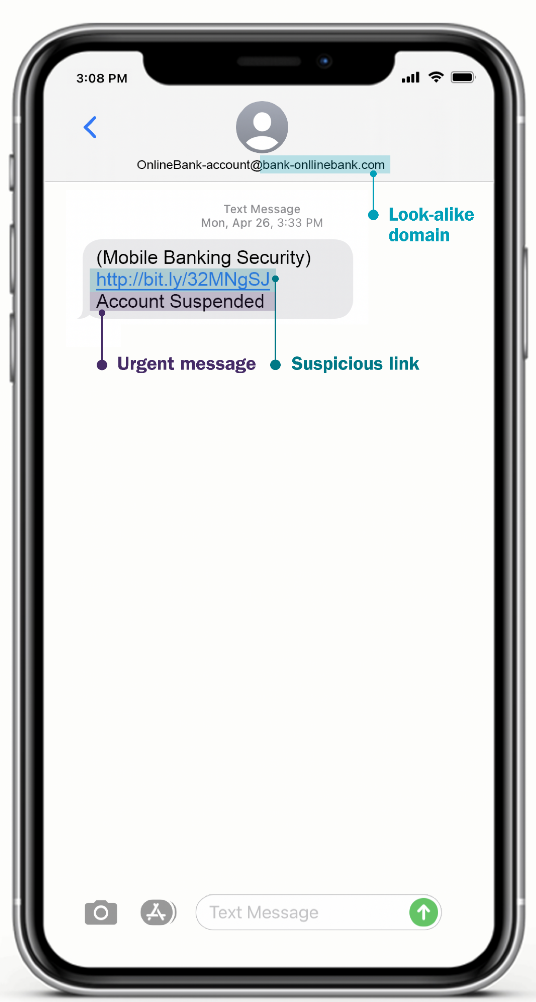
Card-not-present fraud—where a scammer uses stolen card details without having the physical card—accounted for 8% of fraud losses in the Philippines in 2025.
Payment tokenization is designed to reduce this type of risk by ensuring merchants never store the actual card number.
The technology is also gaining momentum locally.
In February 2026, Philippine National Bank (PNB) and Mastercard announced a partnership to expand tokenized wallet payments, reflecting a broader shift in how banks and fintech companies compete — not just on payment speed, but also on payment security.
What payment tokenization won’t do
Here’s the part the brochures rarely mention.
Payment tokenization protects your card number. It does not protect you from voluntarily giving away a one-time password (OTP), approving a fraudulent transaction, or being manipulated into sharing sensitive information.
And that’s where much of today’s fraud happens.
Social engineering, account takeovers, and identity theft accounted for 76% of fraud losses in 2025, highlighting that technology alone cannot stop scams that rely on human trust.
Regulators have taken notice.
Bangko Sentral ng Pilipinas (BSP) Circular No. 1213 requires supervised financial institutions to phase out SMS- and email-based one-time passwords for high-risk transactions by June 30, 2026.
Technology can close one door; the other still depends on the choices we make.
Two habits worth building
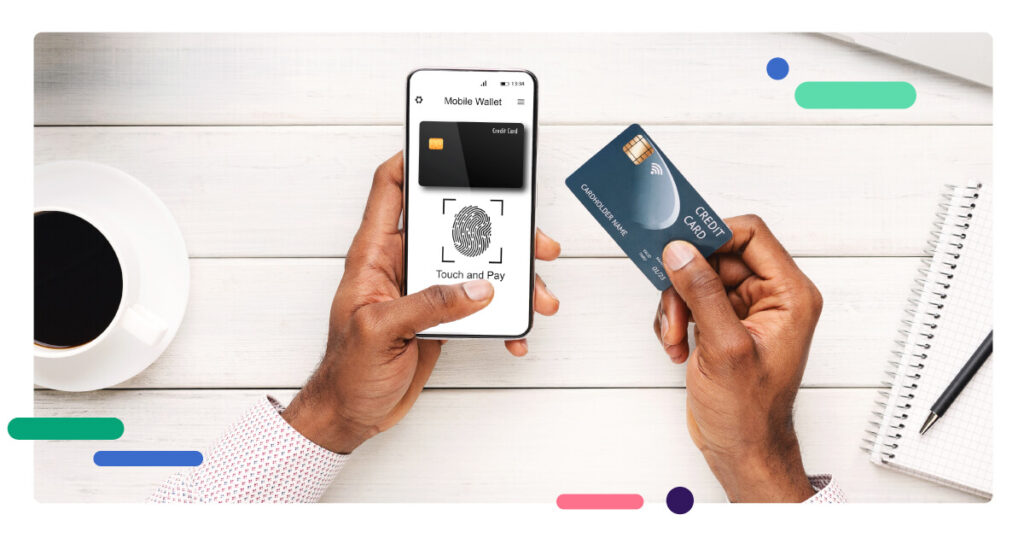
Save your card to a wallet app instead of retyping it at every checkout — anyway. And when a message names an amount, check it against what is actually in your account before you do anything else.
Save your card to a trusted wallet app instead of entering your card details every time you check out online. Besides making purchases faster, payment tokenization helps reduce the amount of sensitive card information shared across merchants.
And when a message claims your account has been charged, don’t call the number in the message immediately. Check your banking app first.
Verify the transaction through your bank’s official channels. A few extra seconds of doubt can prevent hours — or even months — of dealing with fraud.
Payment tokenization will not eliminate every scam.
But it quietly removes one more opportunity for criminals to misuse your card details.
The safest payment is not necessarily the one you notice. Sometimes, it’s the security working silently in the background that matters most.