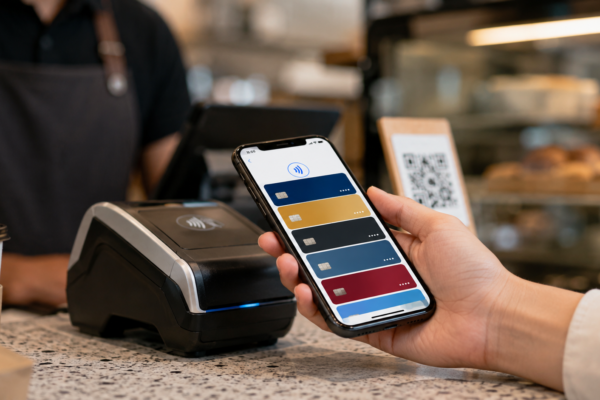

Digital wallet security has become more important than ever as more Filipinos rely on GCash, Maya, and other online banking apps for everyday financial transactions. From paying bills to transferring funds and shopping online, digital finance has made everyday transactions more convenient, but it has also attracted increasingly sophisticated cyber threats.
To better protect customers, digital wallets and banks continue to strengthen their security through improved authentication, encryption, artificial intelligence (AI), and fraud prevention initiatives. These efforts are helping create a safer and more trusted digital financial ecosystem in the Philippines.
Stronger authentication helps prevent fraud
One-time passwords (OTPs) remain one of the first lines of defense against unauthorized account access.
However, financial institutions are now moving beyond traditional SMS OTPs, which are more vulnerable to SIM swap attacks and phishing scams.

GCash has introduced in-app authentication features that provide an additional layer of protection during sensitive transactions.
Meanwhile, several online banks have expanded their security by implementing push authentication, device binding, biometrics, and multi-factor authentication to verify legitimate users before transactions are completed.
Together, these measures reduce the risk of unauthorized account access while making digital banking more secure and seamless.
Encryption and AI strengthen digital wallet security
Every secure digital transaction relies on advanced encryption to protect customer information from interception.
End-to-end encryption ensures that sensitive financial data remains unreadable to unauthorized parties while it travels between users and financial institutions.

Artificial intelligence has also become an essential tool in fighting financial fraud. Banks and fintech companies now use machine learning to monitor transaction patterns, identify unusual transaction patterns and stop suspicious activity.
Industry-wide initiatives such as CIBI’s Fraud Information-Sharing Network (FIDS Network) further strengthen fraud prevention by enabling participating financial institutions to exchange fraud intelligence. This allows emerging scams to be detected and addressed more quickly across the financial ecosystem.
Consumer awareness remains the strongest defense
While technology continues to evolve, financial institutions recognize that informed customers remain one of the strongest defenses against fraud. Digital wallets and banks regularly launch consumer education campaigns reminding users never to share OTPs, passwords, PINs, or verification codes with anyone.

Users are also encouraged to verify messages carefully, avoid clicking suspicious links, update their mobile applications regularly, and report fraudulent activities immediately through official customer support channels.
As digital banking adoption continues to accelerate across the Philippines, cybersecurity will remain a shared responsibility between financial institutions and consumers. Strong technology combined with informed users creates a safer environment for everyone using digital financial services.
Building trust in the digital economy
As digital payments continue to grow in the Philippines, digital wallet security is evolving to keep pace with increasingly sophisticated cyber threats. Through stronger authentication, end-to-end encryption, AI-powered fraud detection, industry collaboration, and continuous consumer education, GCash and online banks are reinforcing trust in digital finance.
As cyber threats become more sophisticated, these investments in security will play an increasingly important role in ensuring that Filipinos can enjoy the convenience of digital banking with greater confidence and peace of mind.