

Philippine digital payments reached a new milestone in 2025 as the combined value of transactions processed through InstaPay and PESONet climbed to a record ₱24.7 trillion.
The latest figure highlights the country’s accelerating shift toward a cashless economy, with consumers and businesses increasingly relying on digital channels for fund transfers, bill payments, and everyday financial transactions.
The continued growth reflects rising digital adoption across the Philippines, supported by improved payment infrastructure, broader financial inclusion efforts, and the growing use of mobile banking and e-wallets.
Digital payments continue to gain momentum

The record transaction value underscores how digital payments have become an essential part of the Philippine financial ecosystem.
Real-time transfers through InstaPay and high-value transactions via PESONet are now widely used by individuals, businesses, and government agencies.
The increasing preference for digital transactions is also driven by advances in banking technology, an improved customer experience, and broader access to digital financial services. As more Filipinos embrace digital finance, payment systems continue to handle larger transaction volumes more efficiently.
Banks push innovation through AI and digital banking

The rapid growth in Philippine digital payments comes as thrift banks strengthen their digital transformation initiatives.
During the 52nd Annual Convention of the Chamber of Thrift Banks, industry leaders identified artificial intelligence and digital banking as key priorities for improving customer service, streamlining operations, and expanding financial access.
The banking sector sees AI-powered solutions as an opportunity to enhance fraud detection, personalize financial services, and deliver faster digital experiences.
Combined with modern payment infrastructure, these innovations are expected to further support the country’s transition to a more connected and inclusive financial system.
A stronger foundation for a cashless future
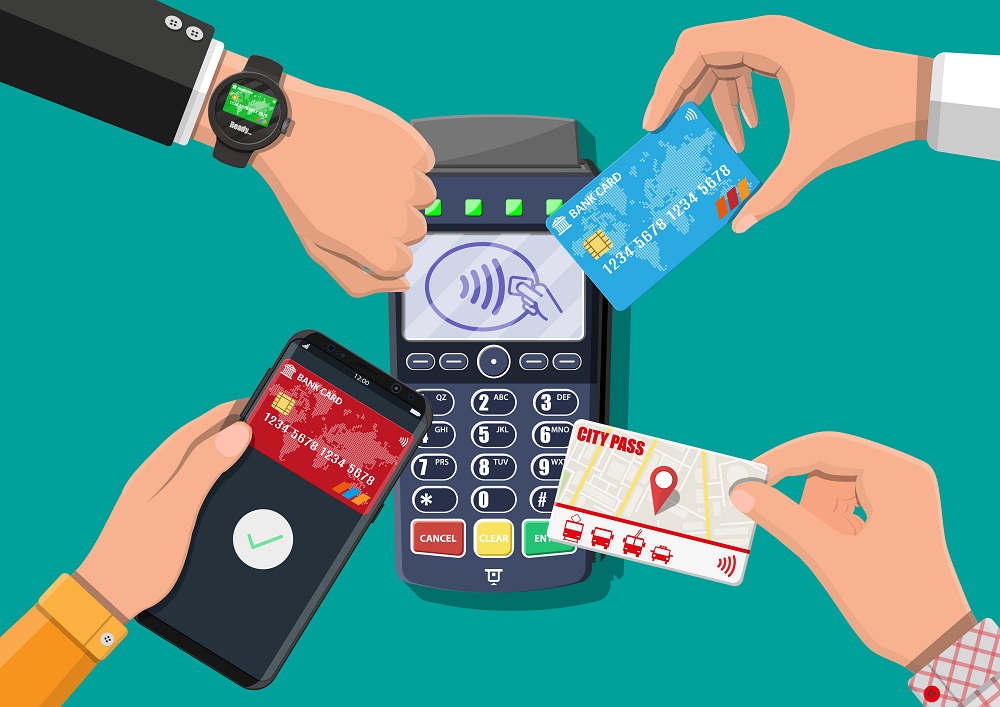
The record ₱24.7 trillion processed through InstaPay and PESONet reflects the growing role of digital payments in the Philippine economy, underscoring how consumers, businesses, and government agencies are increasingly relying on electronic channels for everyday financial transactions.
For the Bangko Sentral ng Pilipinas (BSP), the sustained growth reinforces the importance of continuing investments in secure, interoperable, and resilient payment infrastructure as it advances its broader digital finance and financial inclusion agenda.
For thrift banks, the trend also validates the Chamber of Thrift Banks’ push toward greater digitalization and the adoption of artificial intelligence to improve customer experience, strengthen risk management, and expand access to financial services. As digital payment volumes continue to grow, the sector is expected to play an increasingly important role in supporting the country’s transition toward a more inclusive and digitally connected financial ecosystem.