More Filipinos are taking advantage of loan repayment flexibility as rising living costs and economic uncertainty continue to strain household budgets, according to digital bank Tonik.
The bank said usage of its Payhinga payment holiday feature has nearly tripled since early 2025, suggesting that more borrowers are seeking temporary relief from loan repayments instead of falling into delinquency.
Since January 2025, activation of Payhinga has increased from 10% to nearly 31% of eligible borrowers, reaching a peak of almost 34% during periods of heightened economic pressure.
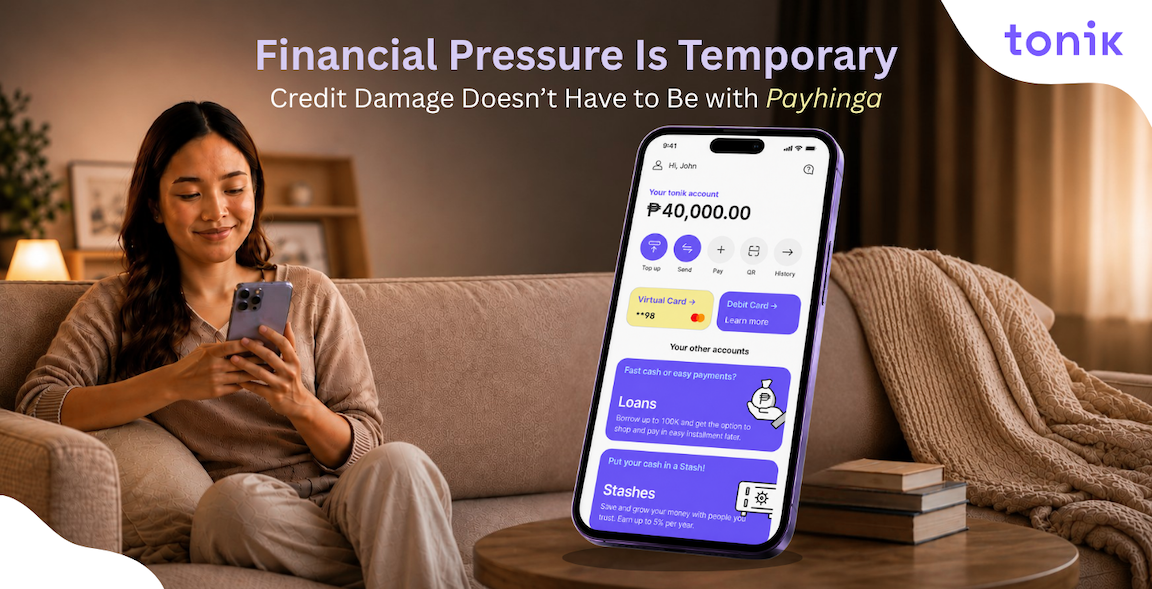
Unlike traditional loan restructuring, which typically occurs after borrowers have already missed payments, Payhinga is an optional feature customers can add when taking out a loan. It allows borrowers to temporarily suspend repayments during unexpected financial setbacks, helping them avoid missed payments, penalties and potential damage to their credit history.
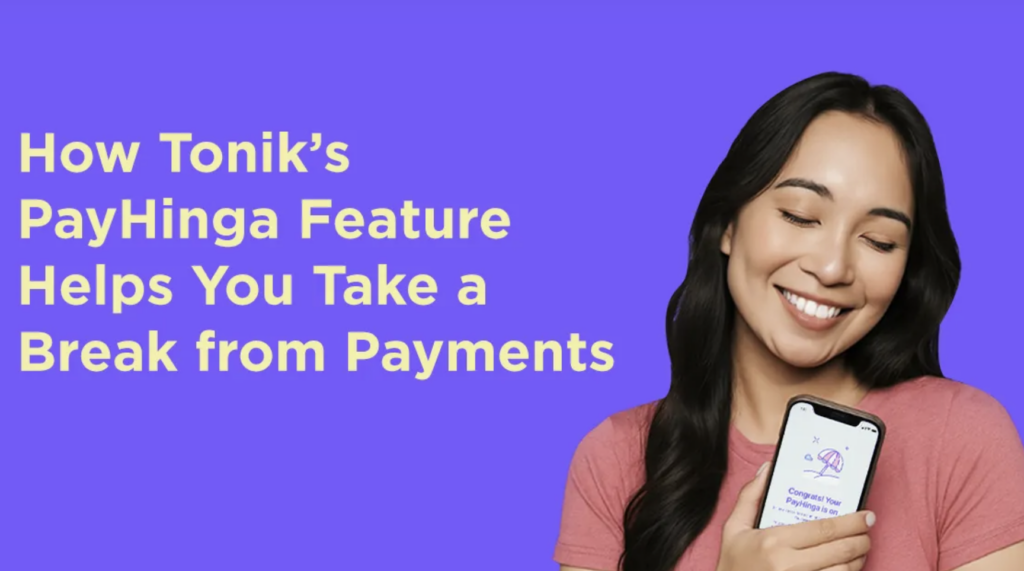
IMAGE CREDIT: Tonik
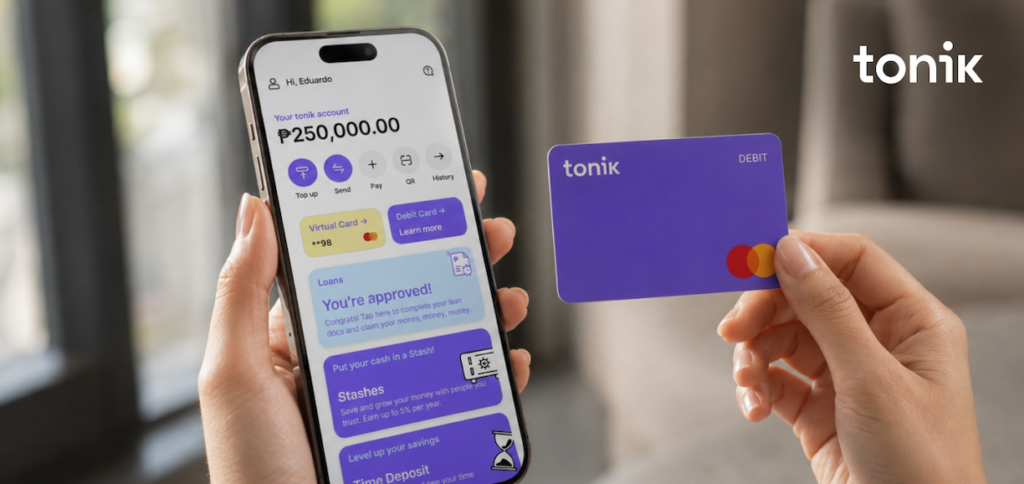
The feature is available across Tonik’s consumer lending products and includes Credit Life Insurance provided by Sun Life Grepa Financial, Inc.
“Financial inclusion doesn’t end when a loan is approved,” said Mila Bedrenets, Chief Growth Hacker at Tonik.
“Real financial inclusion means helping customers successfully repay their loans even when life becomes difficult. For many Filipino families, a temporary loss of income or a sudden increase in expenses shouldn’t permanently damage their financial future.”
Tonik also reported growing customer adoption of the feature. Over the past 17 months, subscriptions to Payhinga have increased by 220%, reflecting greater awareness among borrowers of the value of repayment flexibility.
Repayment flexibility helps borrowers weather temporary financial setbacks
According to the bank, actual usage accelerated during periods of economic stress, indicating that customers are primarily using the feature as intended — to manage temporary financial hardship rather than as a routine repayment strategy.
The bank said Payhinga was designed primarily for working Filipinos earning between ₱25,000 and ₱40,000 a month, many of whom serve as their households’ primary breadwinners. For these borrowers, even a short-term disruption in income can make it difficult to keep up with monthly loan obligations.
By allowing customers to temporarily pause repayments and resume once their finances stabilize, Tonik said the feature helps borrowers preserve their credit standing while supporting the bank’s long-term portfolio quality by reducing the likelihood of defaults.
The initiative reflects Tonik’s broader approach to digital lending, which combines credit access with repayment support as part of its financial inclusion strategy.
“Many digital lenders compete on how quickly they can approve loans,” Bedrenets said. “We believe the bigger responsibility is helping customers successfully complete their financial journey. A payment holiday may seem like a small feature, but during difficult economic periods it can make the difference between temporary hardship and long-term financial exclusion.”
As economic uncertainty continues to affect household finances, repayment flexibility is emerging as an increasingly important feature in digital lending, giving borrowers additional tools to manage short-term income disruptions while helping lenders maintain healthier loan portfolios.
Tonik is the Philippines’ first standalone digital bank licensed by the Bangko Sentral ng Pilipinas. Its savings and lending products are available through its mobile app without requiring branch visits.