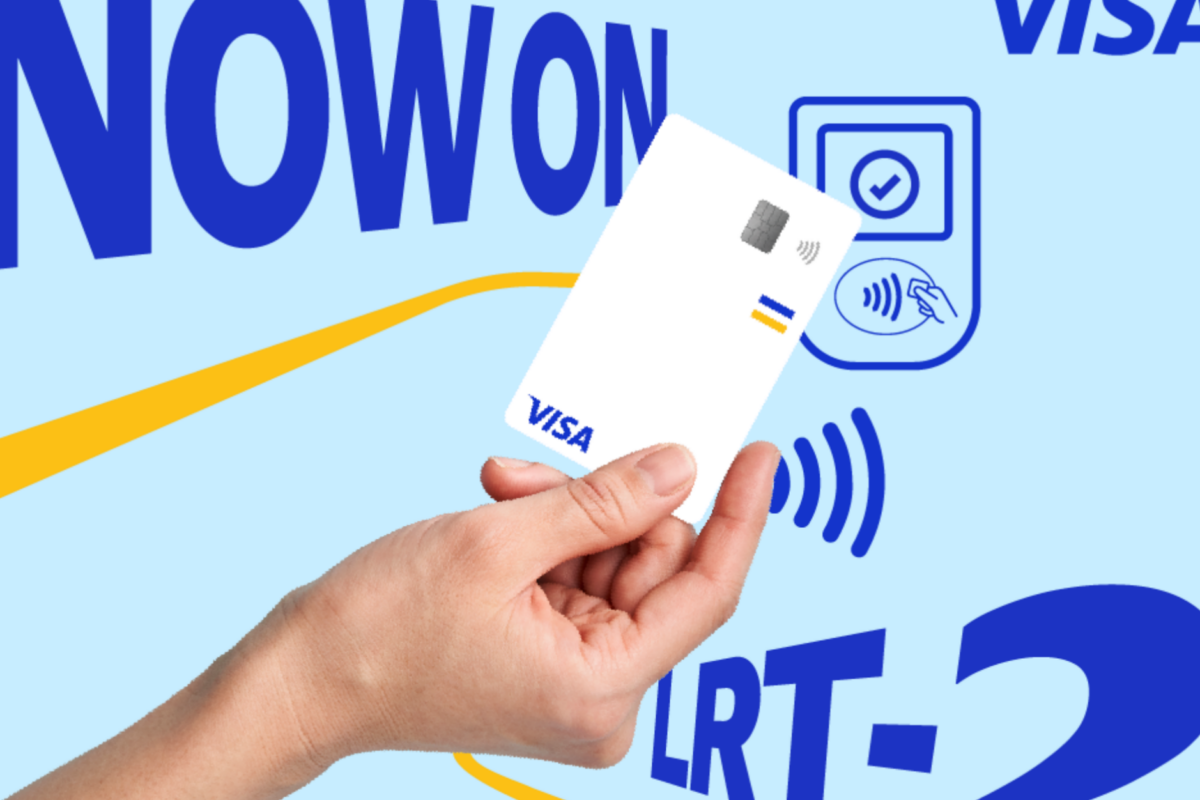
Visa has expanded its contactless fare payment system to the Light Rail Transit Line 2 (LRT-2), allowing commuters to pay for rides using Visa cards, QR codes, and NFC-enabled devices across all 13 stations.
The rollout, completed with the Department of Transportation (DOTr), Rizal Commercial Banking Corporation (RCBC), and other industry partners, makes LRT-2 Visa’s fourth cashless transit project in the Philippines.
More importantly, it means commuters can increasingly use the same payment methods they rely on for shopping and online purchases when taking public transport—a step toward integrating digital payments into everyday life.
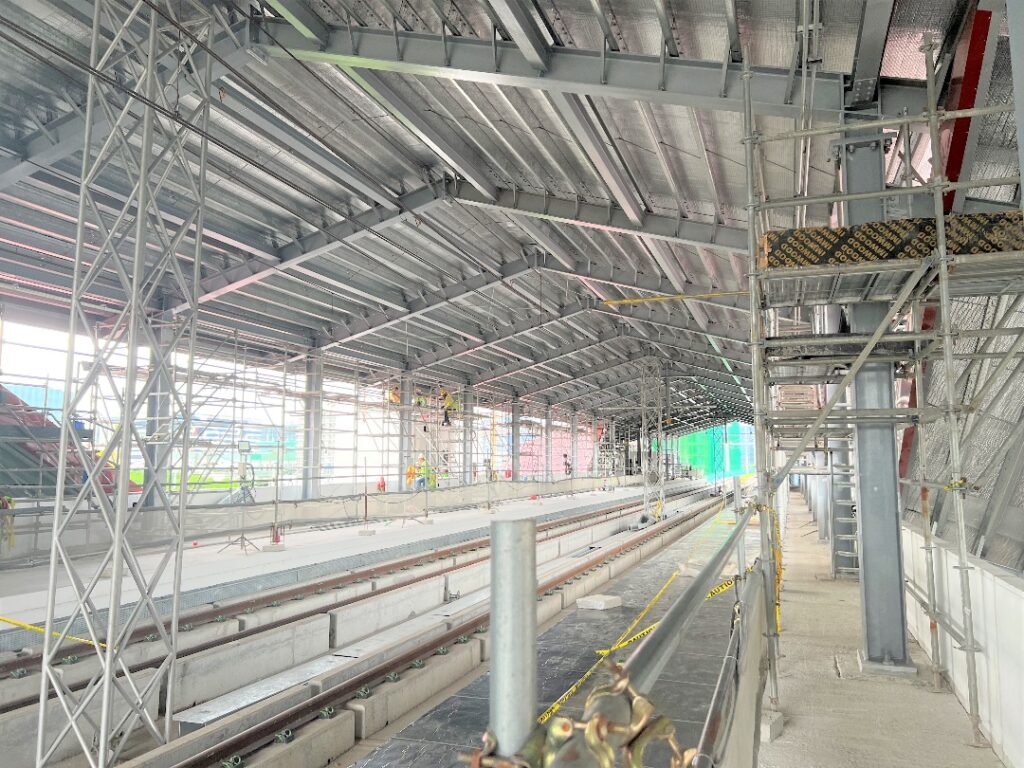
IMAGE CREDIT: LRT
LRT-2 serves more than 160,000 passengers and connects Metro Manila with eastern communities in Rizal. With contactless payments now available, passengers no longer need to rely solely on dedicated transit cards when entering stations.
The project follows earlier deployments on MRT-3 and public bus networks in Cebu, Mandaue, and Bacolod.
Open-loop payments gain momentum in Philippine public transport
For the country’s fintech ecosystem, the expansion reflects a growing shift toward open-loop payments, where commuters pay using their existing debit, credit, or prepaid cards instead of closed-loop transport cards.
The model has gained traction globally as transport operators look to simplify fare collection while encouraging broader adoption of digital payments.
Visa cited research from its Economic Empowerment Institute showing that open-loop payment systems could increase public transport ridership by as much as 10%.
Another Visa study found that 94% of commuters across Asia-Pacific expect contactless payment options when using public transportation, while nearly half said they would ride more often if paying fares were easier.
“The automated fare collection systems across Metro Manila’s three rail lines signifies Visa’s commitment toward accelerating financial inclusion, allowing both commuters and tourists to access digital payments while improving overall urban mobility in the Philippines,” said Jeffrey Navarro, Visa’s Country Manager for the Philippines. “With expanded access to digital financial systems, we aim to support the government in boosting productivity while stimulating economic activity to fuel growth.”
He said expanding access to digital payments supports the government’s efforts to improve productivity while stimulating economic activity.
The project also makes commuting easier for foreign visitors, many of whom already use contactless cards to access trains and buses in other countries. Instead of purchasing another transit card, travelers can use payment methods they already carry.
For banks, payment networks, and fintech companies, public transportation has become one of the most visible ways to encourage digital payment adoption. Unlike retail purchases, commuting happens every day, giving consumers more opportunities to become comfortable with tap-to-pay transactions.
Visa said it now supports more than 870 contactless transit projects worldwide, as governments and payment providers continue modernizing fare collection through digital payments.