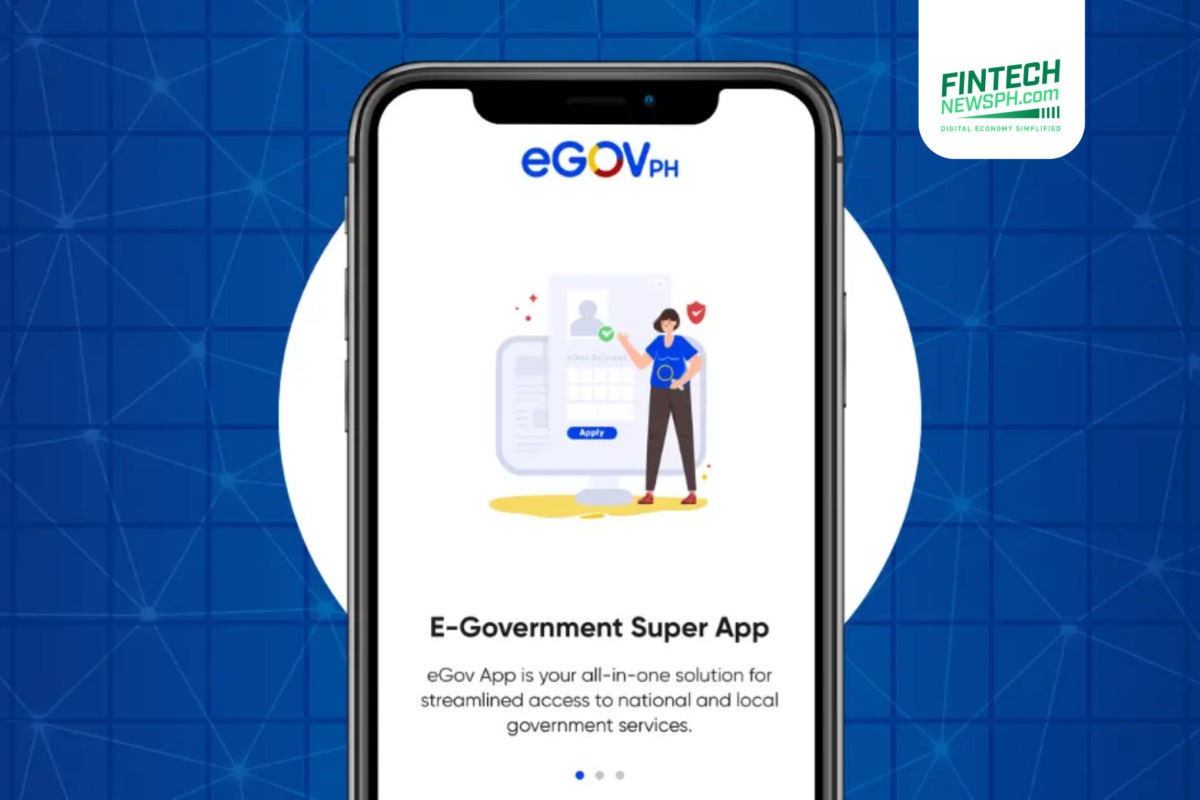
The Philippine government is stepping up its digital push with the rollout of the e-GovPH app, an all-in-one platform designed to make public services more accessible, faster, and fully digital.
Positioned as a “super app,” eGovPH allows users to transact with multiple government agencies through a single mobile interface — eliminating the need to visit different offices or repeatedly fill out forms.
The platform reflects a broader effort to align public services with the growing demand for convenience and efficiency in an increasingly digital society.
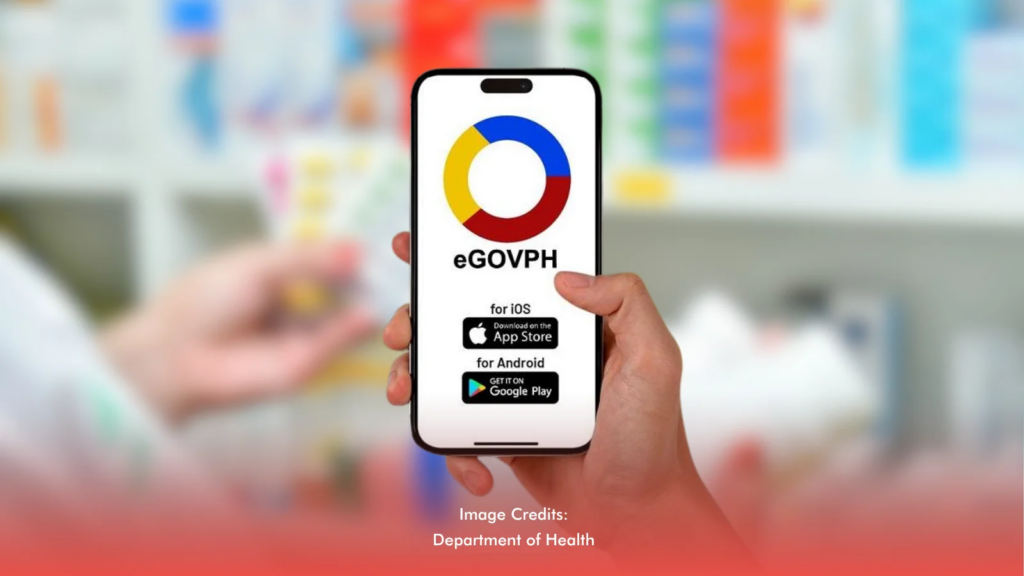
A single gateway to government services
At its core, the app serves as a unified entry point to various government transactions. Users can log in once and access multiple services without switching platforms or re-entering information.
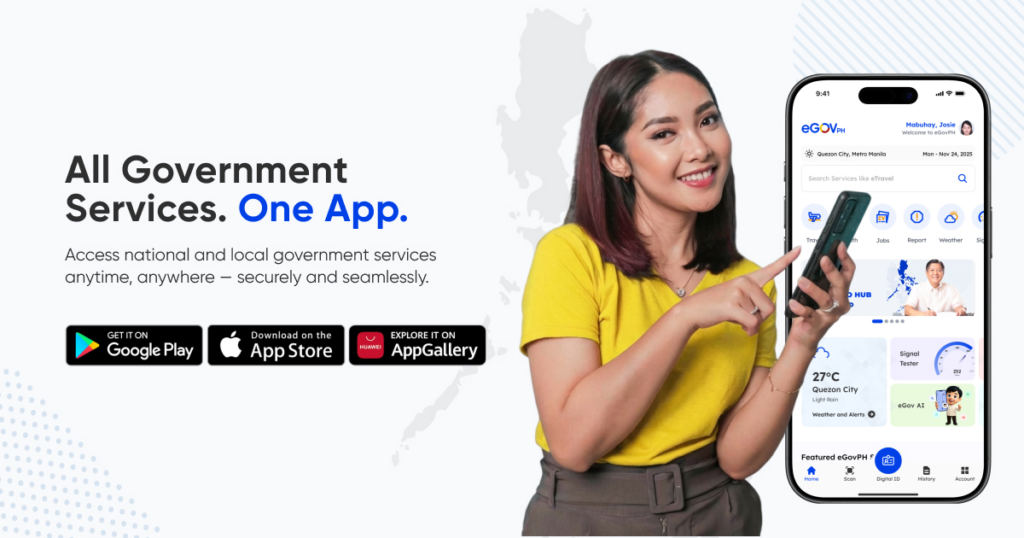
Among its key features are digital ID integration for secure identity verification, paperless transactions that reduce reliance on physical documents, and real-time tracking of applications. These functions aim to improve transparency while reducing processing times and administrative friction.
Officials say the system not only simplifies tasks for citizens but also helps agencies operate more efficiently by digitizing workflows and minimizing manual errors.
Designed for everyday use
The app is built with practical, day-to-day transactions in mind. From requesting documents and applying for permits to checking the status of applications, eGovPH consolidates routine government services into a single platform.
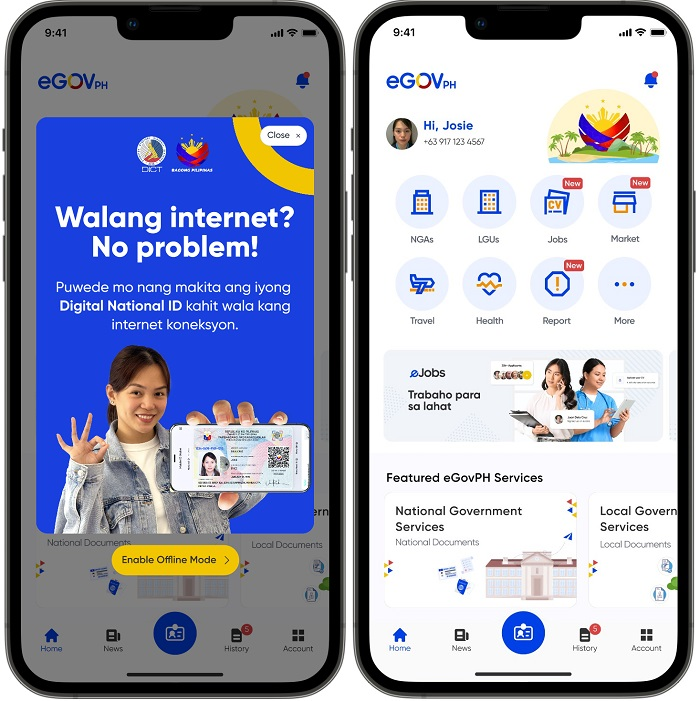
For users, this means fewer trips to government offices and lower costs tied to travel and waiting time. Students, professionals, and overseas Filipinos can access services remotely, making transactions more convenient and accessible.
The platform also enhances visibility into government processes. With digital records and real-time updates, users can better monitor their requests — helping build trust and predictability in service delivery.
Moving toward digital governance
The launch of eGovPH highlights the government’s push toward a more connected and citizen-centered public sector. As adoption grows, the platform is expected to play a key role in modernizing service delivery and improving overall efficiency.
Challenges remain, particularly in ensuring data privacy, cybersecurity, and accessibility in areas with limited internet connectivity. Still, the app marks a significant step toward simplifying how Filipinos interact with government — bringing essential ser
It also includes tools like service search, QR-based information sharing, appointment scheduling, and integrated updates from national and local government units—making transactions faster while reducing the need for physical documents and in-person visits.
Key features and registration
The app includes a mobile ID wallet that allows users to store digital versions of government-issued IDs, including the national ID and driver’s license. Additional features include service search, QR-based information sharing, appointment scheduling, and integrated updates from national and local government units.
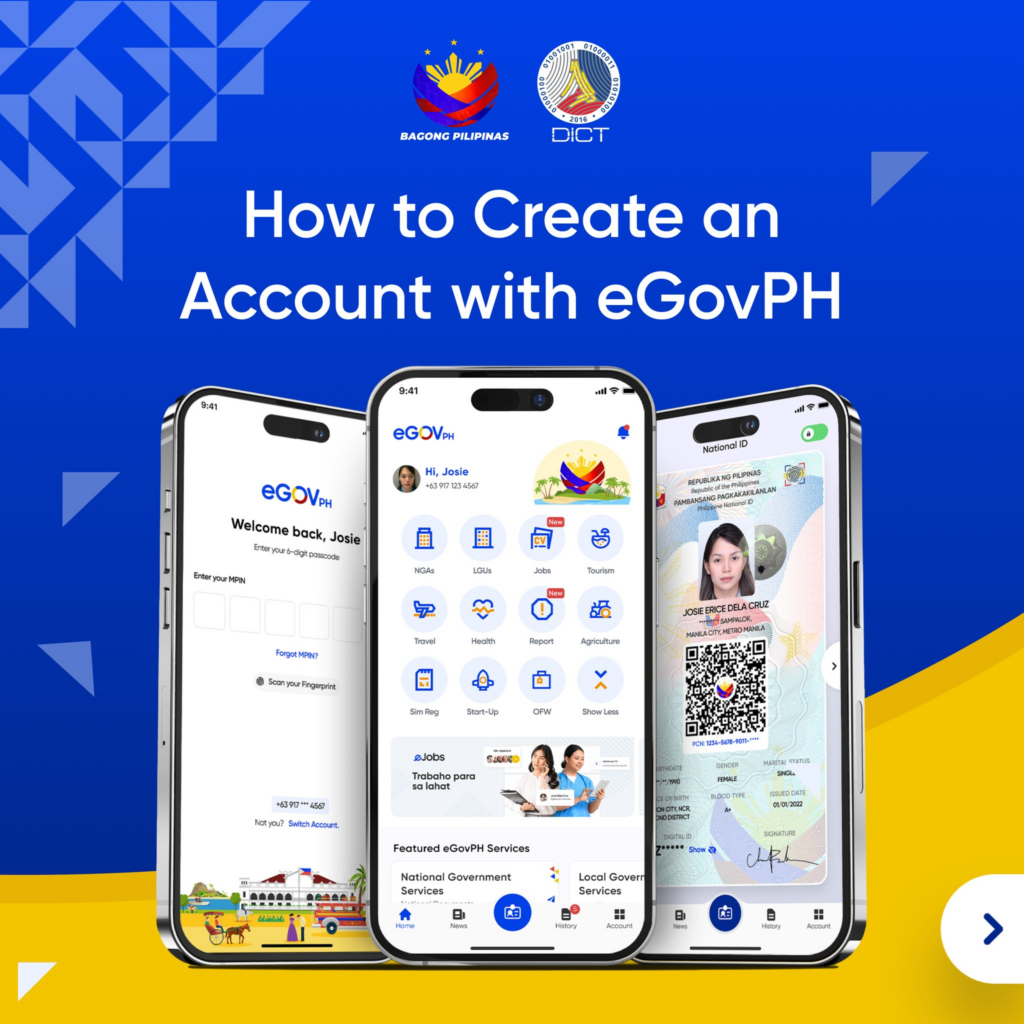
Getting started involves a straightforward process: users download the app, register using their mobile number, verify their account via a one-time password, and create a secure PIN. Identity verification can then be completed by linking credentials such as the national ID.
Here are the steps:
- Step 1: Download the e-GovPH app from your device’s app store.
- Step 2: Register using your mobile number and basic personal details.
- Step 3: Enter the one-time password (OTP) sent to your number to verify your account.
- Step 4: Create a secure PIN to protect your account and enable quick login.
- Step 5: Complete identity verification by linking your PhilSys (National ID) or other valid credentials.
- Step 6: Once verified, explore available services and start transacting within the app.
This step-by-step onboarding ensures secure access while unlocking the full range of services. Without completing verification, access remains limited—making this final step essential for maximizing the app’s benefits.
Ypu can also refer to this step-by-step guide provided by the Egovph.
Who benefits most — and why it matters now
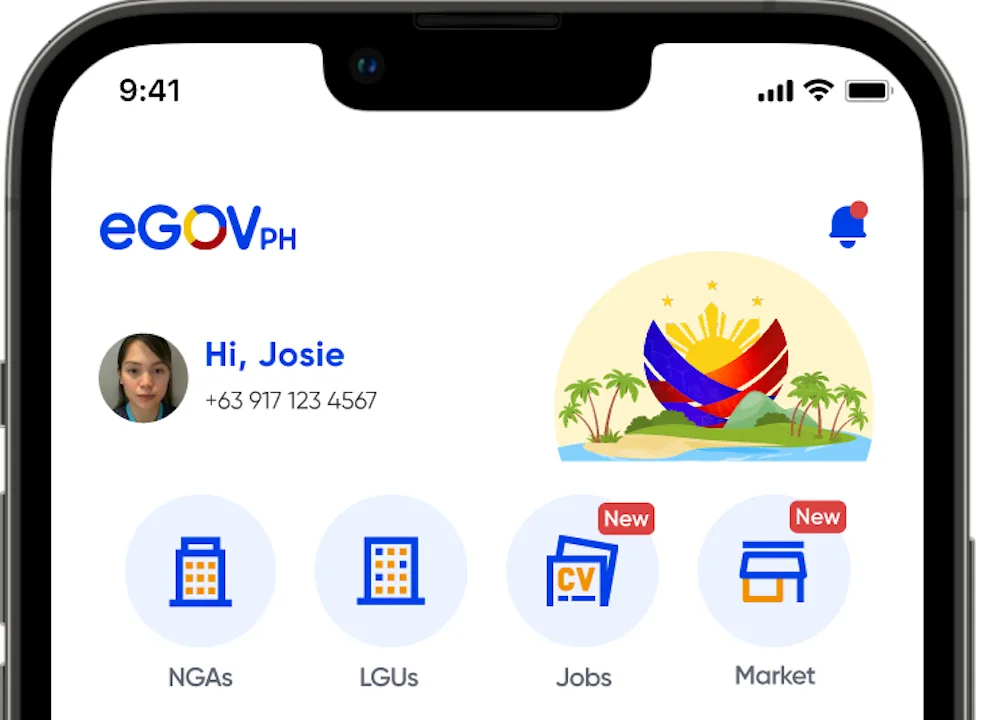
The e-GovPH app offers the greatest value to those who need consistent access to government services but face time, distance, or mobility constraints. This includes professionals with limited time, residents in rural areas, and Filipinos abroad who rely on remote access.
Entrepreneurs and small businesses also benefit from faster processing of permits and registrations, helping reduce delays and improve operational efficiency. By simplifying these interactions, the app supports a more business-friendly environment.
More importantly, the app arrives at a time when digital adoption in the Philippines is accelerating.
As more services move online, having a centralized government platform strengthens the country’s digital ecosystem — making public services more inclusive, responsive, and aligned with how people live and work today.
Moving toward digital governance
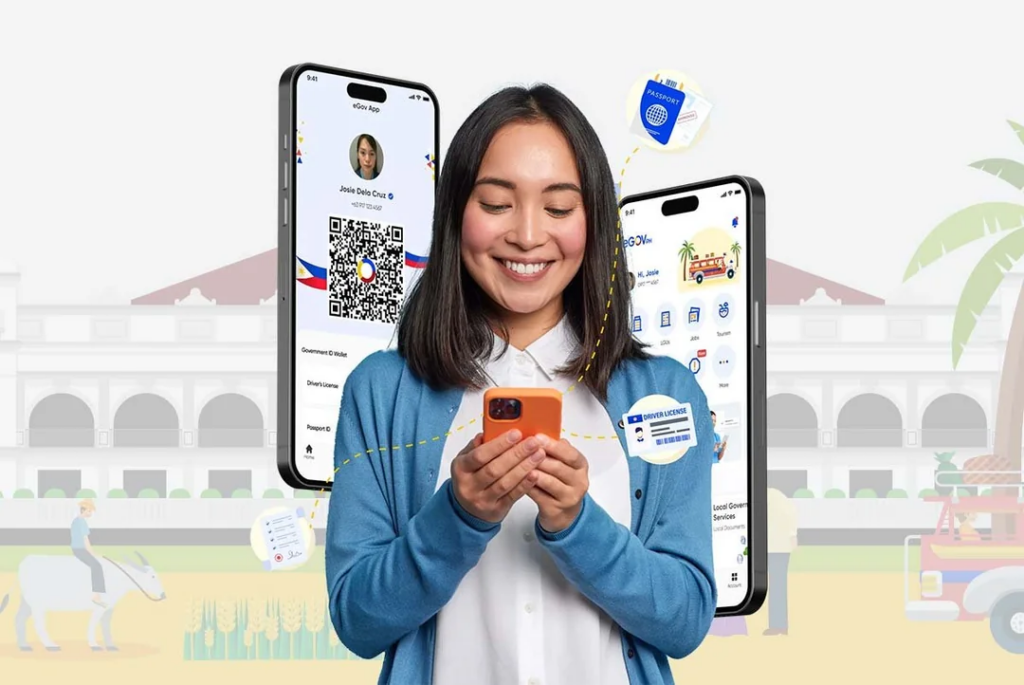
The launch of eGovPH highlights the government’s push toward a more connected and citizen-centered public sector. As adoption grows, the platform is expected to play a key role in modernizing service delivery and improving overall efficiency.
Challenges remain, particularly in ensuring data privacy, cybersecurity, and accessibility in areas with limited internet connectivity. Still, the app marks a significant step toward simplifying how Filipinos interact with government—bringing essential services closer to users through a single digital touchpoint.