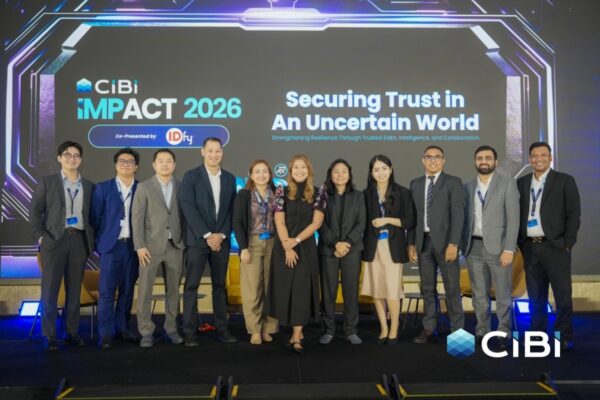


AI fraud risks and financial scams are emerging as one of the biggest threats to the Philippines’ rapidly expanding digital banking sector.
As more Filipinos embrace digital banks, e-wallets, and fully online financial services, cybercriminals are also leveraging artificial intelligence to create more sophisticated scams that are increasingly difficult to identify.

The growth of digital finance has brought greater convenience, wider financial inclusion, and faster access to banking services. However, it has also created new opportunities for fraudsters to exploit digital channels. From AI-generated identities to deepfake videos and voice cloning, technology is changing the nature of financial fraud and raising concerns about consumer trust in online financial ecosystems.
As digital banking becomes a larger part of everyday life, financial institutions and regulators face mounting pressure to stay ahead of evolving threats while maintaining confidence in the country’s digital transformation journey.
How AI Is Transforming Financial Scams
Artificial intelligence has dramatically changed the way fraud and financial scams are conducted. Traditional financial scams often relied on mass messaging campaigns, fake websites, or basic phishing attempts. Today’s fraudsters are using AI tools to create highly convincing impersonations that can deceive even cautious consumers.

Deepfake technology can replicate a person’s face and voice with remarkable accuracy, while AI-powered systems can generate realistic documents, identification records, and customer profiles. These capabilities allow criminals to bypass traditional verification processes and launch more targeted attacks against individuals and businesses.
The result is a new generation of financial scams that appear more authentic and are harder to detect. Consumers who once relied on visual cues or familiar voices to identify trusted contacts may now find those indicators far less reliable.
Digital Banking Growth Brings New Security Challenges
The rapid rise of digital banks in the Philippines has transformed the financial landscape. Millions of Filipinos now perform transactions, apply for loans, open accounts, and manage savings entirely through mobile devices.

This shift has increased convenience but has also expanded the opportunities for cybercriminals. Since digital banks operate through online channels, fraud prevention depends heavily on identity verification systems, customer authentication tools, and real-time monitoring technologies.
As customer onboarding becomes increasingly digital, fraudsters are attempting to exploit weaknesses through synthetic identities, manipulated credentials, and social engineering tactics. These threats can undermine consumer confidence if not addressed effectively.
Trust remains a critical factor in digital banking adoption. Customers are more likely to embrace online financial services when they believe their personal information and funds are protected against emerging threats.
How Regulators Are Keeping Pace
The rise of AI fraud risks is pushing regulators and financial institutions to strengthen cybersecurity measures across the financial sector. Policymakers recognize that maintaining trust in digital finance requires proactive action against increasingly sophisticated fraud schemes.
Financial institutions are investing in advanced fraud detection systems that combine artificial intelligence, behavioral analytics, biometric authentication, and continuous transaction monitoring. These tools help identify unusual activity and detect suspicious behavior before losses occur.

Regulators are also emphasizing consumer protection, cybersecurity resilience, and stronger compliance standards for financial service providers. As digital banking ecosystems continue to evolve, collaboration between regulators, banks, fintech companies, and technology providers will become increasingly important.
At the same time, consumer education remains a crucial defense. Awareness campaigns that teach users how to recognize financial scams, verify communications, and protect sensitive information can significantly reduce fraud risks.
The Future of Trust in Digital Finance
The Philippines is moving toward a future where banking is increasingly digital, accessible, and interconnected. While this transformation creates enormous opportunities for financial inclusion and innovation, it also introduces new challenges that cannot be ignored.
AI fraud risks are reshaping the financial security landscape, forcing institutions to rethink how trust is established and maintained in a fully digital environment. The success of digital banking will depend not only on innovation and convenience but also on the ability of banks and regulators to protect consumers from increasingly sophisticated threats.
Building Confidence in the Digital Age
As artificial intelligence continues to evolve, so too will the tactics used by fraudsters. The challenge for the financial industry is ensuring that security measures advance just as quickly. By combining strong regulation, advanced technology, and consumer awareness, the Philippines can continue expanding digital banking while preserving the trust that underpins the entire financial system.