
AI skills for persons with disabilities are becoming part of PLDT and Smart’s efforts to expand digital inclusion, with training programs designed to help Filipinos with disabilities build pathways toward employment, freelancing, and livelihood opportunities.

The programs go beyond providing internet connectivity. They focus on practical digital tools, AI applications, and technology skills that participants can use for learning, work, and income generation.
Turning Digital Skills Into Opportunities
Through the PLDT Group’s IDEATe program, PLDT and Smart work with organizations such as Adaptive Technology for Rehabilitation, Integration and Empowerment of the Visually Impaired (ATRIEV) to make digital technology more accessible to people with different abilities.
Training covers areas such as AI for Accessibility, Android accessibility features, and basic digital business skills. These programs are designed for persons with disabilities, as well as teachers, advocates, and caregivers who support them.
The approach focuses on tools that are already widely available, including smartphones, accessibility features, and everyday digital applications.
From Training to Livelihood
The bigger goal is to turn AI skills development into practical economic opportunities.
Adults with disabilities and their family members can learn digital business basics, including creating marketing materials, understanding pricing, and exploring online selling. Some participants have also taken part in workshops and company bazaars where they can showcase products and reach potential customers.
This creates another pathway for people who may face barriers to traditional employment. Digital work, freelancing, and online entrepreneurship can provide greater flexibility while allowing individuals to participate in the growing digital economy.
AI Adds a New Layer to Inclusion
The growing availability of AI tools could further expand these opportunities by helping users perform tasks that may otherwise require specialized assistance.
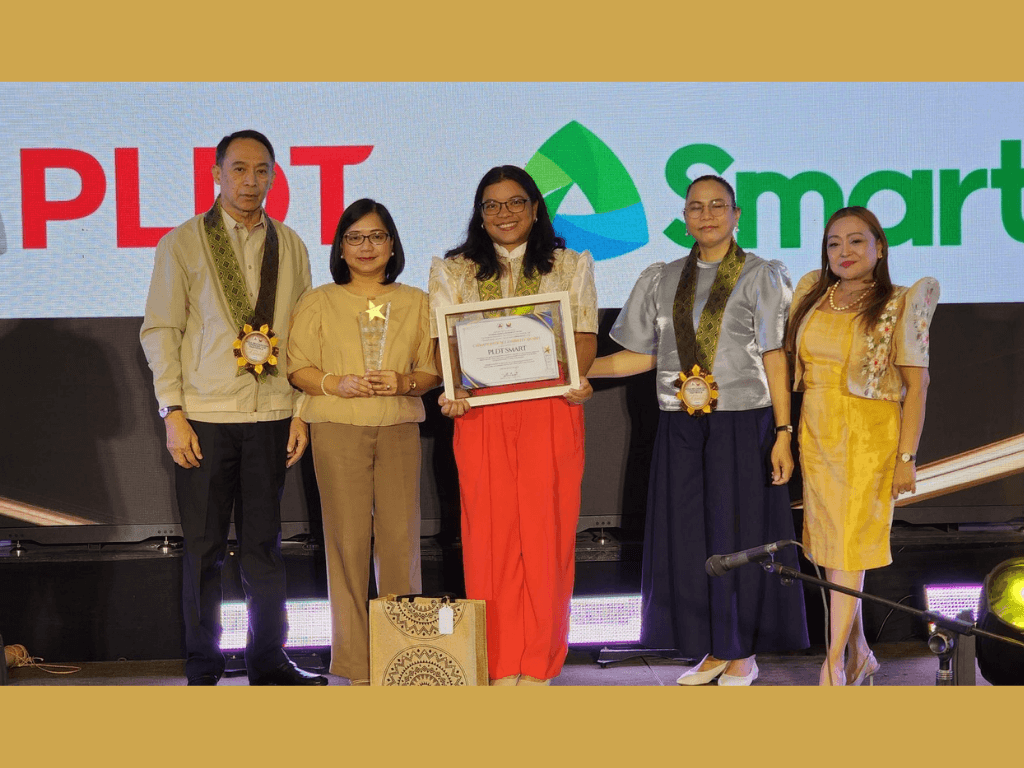
For persons with disabilities, accessible AI applications can support communication, content creation, learning, research, and other workplace activities. But access to the technology alone is not enough. Training is needed to ensure users can apply these tools effectively and safely.
PLDT and Smart’s programs reflect this shift from simply providing connectivity toward developing the skills needed to make connectivity economically useful.
Building a More Inclusive Digital Economy
The push for AI skills for persons with disabilities comes as employers increasingly value digital capabilities and as more work moves online.
For PLDT and Smart, the opportunity is to help close not only the digital access gap but also the skills and livelihood gaps that can prevent persons with disabilities from fully participating in the economy.
As AI becomes more deeply integrated into work, programs that combine accessibility, digital skills, and livelihood opportunities could become increasingly important in ensuring that the technology benefits a broader range of Filipinos.