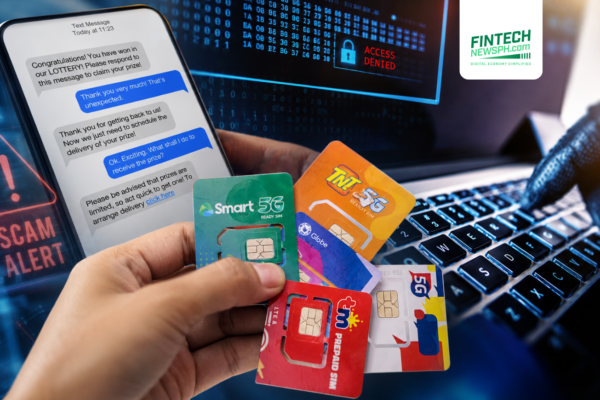

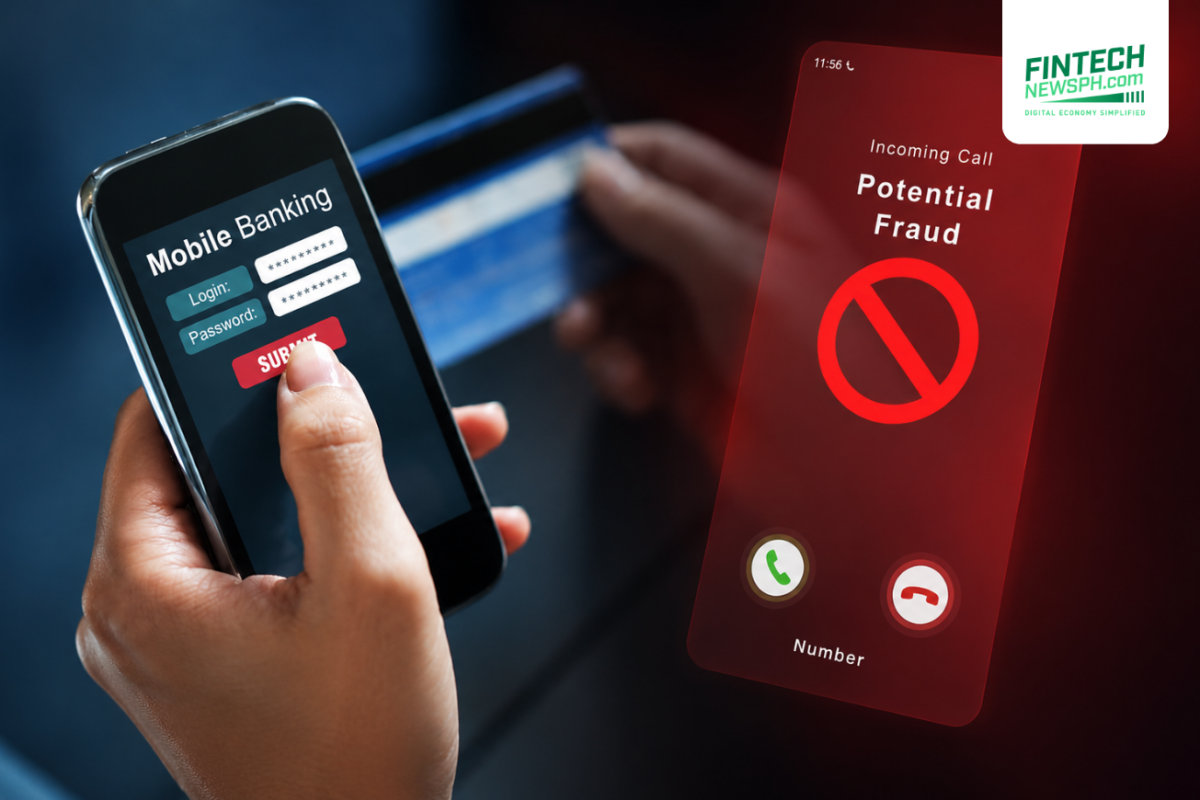
Mobile number security has become increasingly important as smartphones evolve into gateways to banking apps, e-wallets, payment platforms, and other financial services.
For many Filipinos, a mobile number is no longer simply a way to receive calls or messages. It can also be connected to accounts, authentication codes, and digital identities.
This growing dependence creates another cybersecurity concern. If a mobile number is compromised, criminals may try to exploit it as one potential entry point for account takeover, identity theft, or financial fraud.
However, compromising a mobile number does not automatically give an attacker access to a financial account. The level of risk depends on how a bank or financial institution uses the number for authentication or account recovery, as well as the other security controls protecting the account.
As financial services become more digital, protecting the number linked to these accounts has become part of protecting the money itself.
How mobile numbers became financial keys
Mobile number security matters because phone numbers are commonly used to register financial accounts and verify transactions. Banks, e-wallets, lending platforms, and other digital services may use mobile numbers as part of authentication and account recovery processes.

IMAGE CREDIT: Power of a Single Phone Number Identity by LeapXpert | LeapXpert
One of the most familiar tools is the one-time password, or OTP. These temporary codes are designed to provide an additional layer of protection when customers log in, make transactions, or change account information.
However, an OTP is only as secure as the process surrounding it.
If criminals gain access to a user’s mobile number and the number is used by a financial service as part of its authentication or recovery process, they may attempt to use that access to obtain OTPs or other account-related information. Whether this is enough to compromise an account depends on the institution’s authentication controls and whether additional safeguards are in place.
This makes a mobile number a potentially valuable target for fraudsters, particularly when it is closely tied to financial accounts and authentication processes.
SIM-related fraud can lead to account takeover
A major concern surrounding mobile number security is SIM-related fraud.
In a SIM swap or similar attack, criminals attempt to have a victim’s mobile number transferred to another SIM card or otherwise gain control of communications associated with the number.

IMAGE CREDIT: Stop the swap: How to secure devices against SIM swapping fraud
Once control is obtained, criminals may attempt to receive OTPs and other account-related messages intended for the legitimate customer. If a financial account relies on SMS-based authentication or recovery, this could give an attacker an opportunity to attempt further unauthorized access.
It does not, however, guarantee that the attacker can access the account, particularly when additional authentication or fraud controls are in place.
Other scams can begin without the criminal actually taking control of the SIM. Phishing messages, fake customer support accounts, fraudulent calls, and social engineering can trick users into revealing OTPs, passwords, or other sensitive information.
The common factor is manipulation. Attackers often target the person behind the account rather than trying to break through the technology directly.
Why OTPs are not a complete security solution
Mobile number security also highlights why OTPs should not be treated as an impenetrable security barrier. OTPs can provide an important additional layer of authentication, but criminals can use social engineering and other techniques to obtain them.
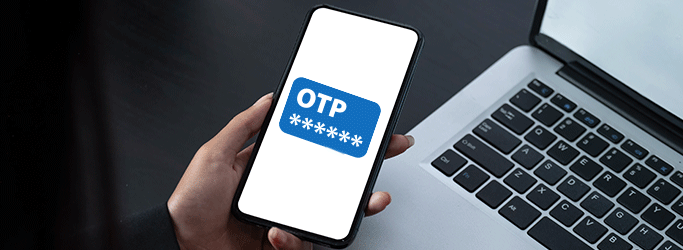
IMAGE CREDIT: Your OTP: three ways to protect yourself
For example, a fraudster may impersonate a bank representative and claim that an account needs to be verified. The victim may then be instructed to share an OTP or click on a malicious link.
Obtaining an OTP may give an attacker an additional opportunity to attempt unauthorized access, but whether the attempt succeeds depends on the financial institution’s authentication process and other security measures protecting the account.
This is why financial institutions have increasingly explored stronger authentication methods, including device-based authentication, biometrics, passkeys, and in-app approval mechanisms.
The shift is also reflected in the BSP’s move away from interceptable authentication mechanisms. Under BSP Circular No. 1213, which implements information-technology risk-management provisions of the Anti-Financial Account Scamming Act (AFASA), BSP-supervised financial institutions are required to limit the use of authentication mechanisms that can be intercepted or shared with third parties, including OTPs sent through SMS and email.
The circular’s transitory provision gave covered institutions one year from its effectivity to comply with the new standards. The BSP’s June 30, 2026 deadline has therefore pushed financial institutions toward stronger authentication methods for covered high-risk transactions and account activities.
Instead of relying primarily on an SMS-delivered code, stronger authentication can include biometric authentication, behavioral biometrics, passwordless methods such as security keys, and adaptive authentication that considers factors such as a user’s location, device, and behavior.
The change does not mean that a mobile number has suddenly become irrelevant to financial security. Rather, it underscores that a phone number and an SMS code should not be treated as the only line of defense protecting a financial account.
For consumers, the lesson is straightforward: never share an OTP, password, PIN, or authentication code with anyone, even if the person claims to represent a bank or financial institution.
Protecting your mobile identity
Strengthening mobile number security starts with treating a phone number as sensitive financial information. Consumers should be cautious about where they publicly share their mobile number and should avoid clicking links received through unexpected messages.
Users should also enable available security features on their devices and financial apps, including biometric authentication, strong passwords, and transaction notifications. Keeping banking and e-wallet applications updated can also help ensure that the latest security improvements are in place.

IMAGE CREDIT: Bastion
Another important step is responding quickly to unusual activity. A sudden loss of mobile service, unexpected account notifications, unfamiliar login alerts, or unexplained transactions can be warning signs that something is wrong.
A sudden change to a registered mobile number, email address, or device can also be relevant because BSP rules require financial institutions to monitor such changes as potential indicators of account-takeover attacks.
Customers should immediately contact their telecommunications provider and affected financial institutions through official channels if they suspect that their number or account has been compromised.
Securing the number behind the money
The rise of digital banking means mobile number security is now closely connected to financial security. A phone number can serve as a communication channel, authentication factor, and account recovery mechanism, making it a potentially attractive target for cybercriminals.
For banks and fintech companies, this also underscores the importance of moving toward authentication systems that do not depend solely on SMS-based verification. Stronger identity protection, fraud monitoring, device intelligence, and customer education can help reduce the risks associated with compromised mobile numbers.
The BSP’s rules also emphasize a broader, layered approach to security. Financial institutions are expected to combine authentication with fraud-management systems and other controls capable of detecting suspicious transactions and account activity.
This is important because no single authentication method can eliminate financial fraud on its own. A biometric check, passkey, device signal, or mobile number is only one part of a broader security framework.
For consumers, cybersecurity increasingly begins with something as ordinary as protecting the number attached to their financial accounts.
As more Filipinos move their financial lives onto smartphones, keeping a mobile identity secure will be just as important as protecting a password or bank account.
A phone number may be one of the tools used to access or recover a financial account, but it is only one part of the security chain. Protecting the identity and authentication mechanisms behind it — and recognizing that financial security relies on multiple layers — is what helps keep that money safe.