
Digital government services are rapidly reshaping how Filipinos interact with public institutions, and the Social Security System (SSS) is at the forefront of this transformation.
From online loan applications to real-time contribution tracking, the agency’s push toward digitization reflects a broader government effort to modernize service delivery.
But as these systems scale, a key question emerges: are Filipinos ready for a fully digital social protection system?
Digital government services expand access to SSS benefits
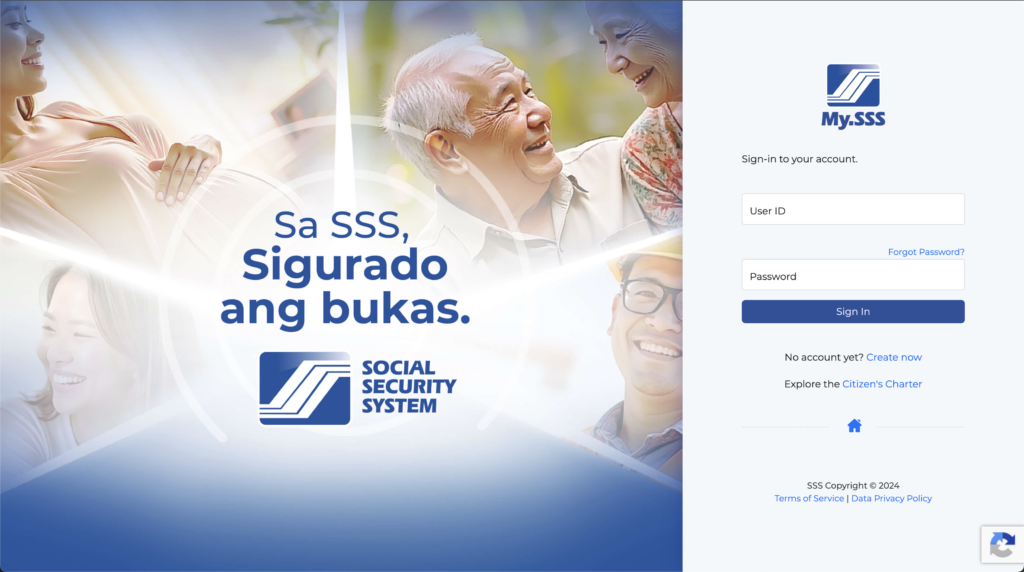
The shift to digital government services has enabled the SSS to bring core services closer to members without requiring physical visits. Through its My.SSS portal and mobile channels, users can now apply for salary and calamity loans, check contributions, and update records anytime.
This transition significantly reduces long queues in branches and improves efficiency across transactions.
At the same time, digital tools have made it easier for overseas Filipino workers and geographically remote members to stay connected with their social security accounts.
With fewer barriers to access, digital government services are helping SSS expand its reach and improve overall member engagement, particularly among younger, tech-savvy users who expect seamless digital experiences.
Improving verification and member experience

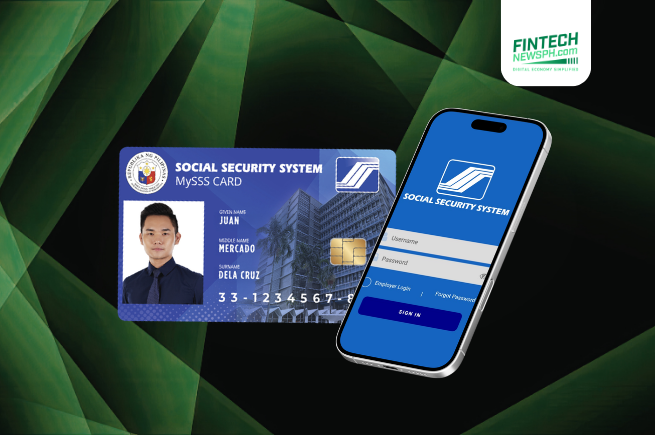
A critical component of digital government services is identity verification, and SSS has introduced digital ID systems such as the UMID card to streamline authentication. These innovations aim to reduce fraud while making it easier for members to access their benefits securely.
Digital identity solutions also support faster processing times, especially for claims and loan approvals.
Nevertheless, the user experience remains varied. While many appreciate the convenience, others encounter issues such as system downtimes, login difficulties, or limited digital literacy.
For digital government services to truly succeed, platforms must not only function efficiently but also be intuitive and inclusive for all segments of the population.
Challenges in scaling digital government services
Despite clear progress, scaling digital government services across the Philippines presents structural challenges. Internet connectivity remains uneven, particularly in rural areas, which can limit access to fully online systems.
Additionally, not all members are comfortable navigating digital platforms, creating a gap between service availability and actual usage.
There are also concerns around cybersecurity and data privacy as more sensitive information moves online. Ensuring robust protection measures will be critical in maintaining public trust. For SSS and other agencies, the success of digital government services will depend on balancing innovation with reliability, security, and accessibility.
Are Filipinos ready for a fully digital SSS?
The evolution of digital government services signals a major leap toward a more efficient and accessible public sector. SSS has made meaningful strides in digitization, offering a glimpse of how social protection systems can operate at scale in a digital-first environment.
Yet readiness is not just about technology — it’s about people. Bridging digital divides, improving user experience, and strengthening trust will determine whether these services can truly serve all Filipinos.