
The Philippines’ digital banking sector is entering a new phase of competition as providers increasingly tailor products and incentives toward Generation Z, a fast-growing consumer segment expected to shape the future of financial services.
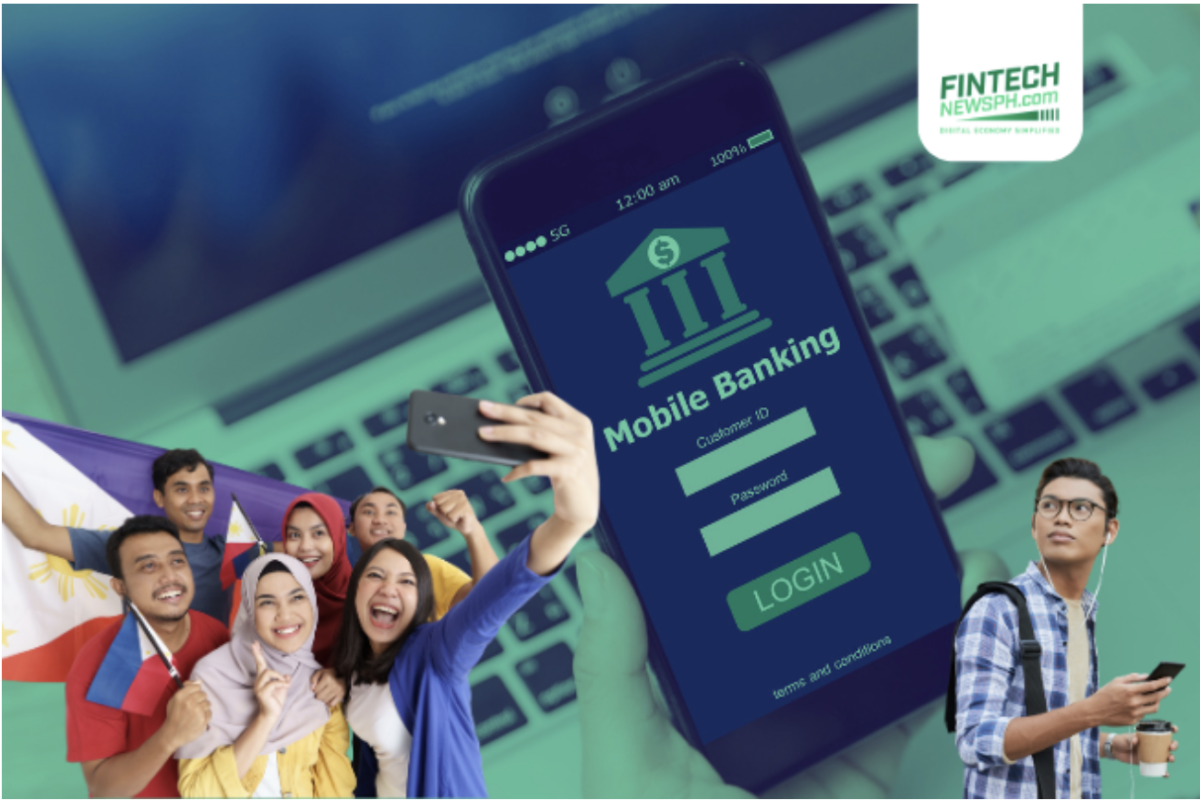
From rewards ecosystems and cashback perks to app-first experiences and referral programs, digital banks are intensifying efforts to appeal to younger Filipinos who have grown up in a mobile-first environment and expect financial services to be as seamless as the platforms they use every day.
But as competition heats up, industry observers say the next battleground may not be features alone — it could come down to trust.
Digital banking moves from novelty to mainstream

IMAGE CREDIT: Adobestock
While digital banking has surged in recent years, the concept itself is far from new.
The foundations of digital banking can be traced back to the launch of the world’s first automated teller machine at Barclays in 1967. This was followed by early home banking services in the 1980s and the emergence of internet banking in the 1990s, when Stanford Federal Credit Union launched one of the first online banking websites.
Mobile banking accelerated further with the rise of smartphones following the introduction of the iPhone, eventually transforming digital financial services into a global norm.
In the Philippines, the digital banking landscape gained significant momentum in 2020 after the Bangko Sentral ng Pilipinas (BSP) issued formal guidelines for digital banks.
The timing coincided with the pandemic-driven shift toward digital transactions, prompting both new entrants and established financial institutions to expand their online offerings.
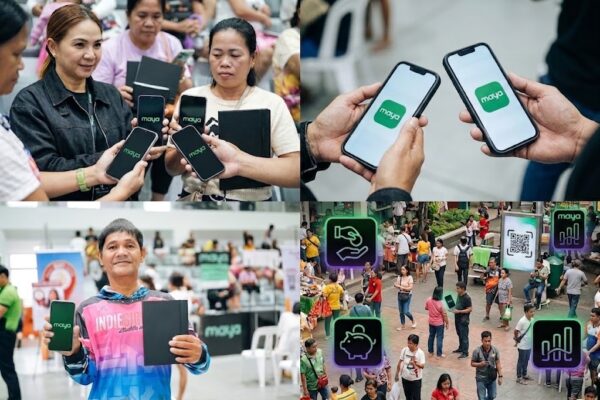
Today, licensed digital banks such as GoTyme Bank, Maya Bank, UNO Digital Bank, Tonik Digital Bank, and UnionDigital Bank are competing aggressively for market share.
Why Gen Z is becoming digital banking’s biggest prize
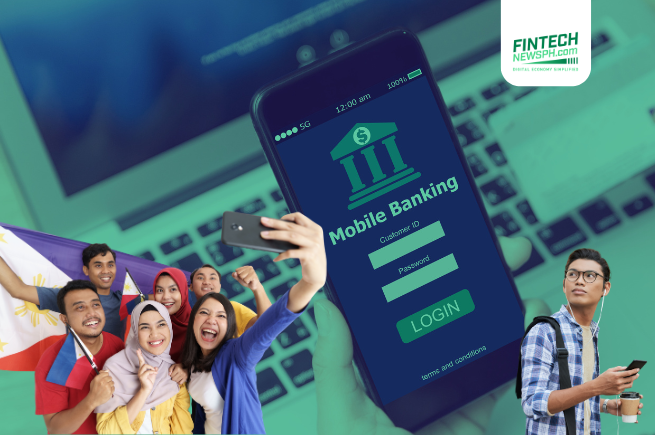
According to Bunita Sawhney, chief consumer product officer at Mastercard, Gen Z consumers “want their financial life at their fingertips.”
Their spending power is expected to reach US$12 trillion (around ₱724 trillion) by 2030, according to a 2024 report by NielsenIQ, GfK, and World Data Lab.
The focus on Gen Z is strategic.
This generation is emerging as one of the most influential consumer groups globally.
Unlike previous generations, Gen Z consumers expect financial services to be embedded in their digital lifestyles. They prioritize convenience, personalization, and real-time access to their accounts.
This has pushed Philippine digital banks to innovate beyond traditional banking features.
GoTyme Bank offers a rewards ecosystem tied to retail spending, while UnionBank of the Philippines continues to strengthen its digital rewards offerings with UnionBank Rewards.
UNO Digital Bank attracts customers through promotional savings rates, including a 6% annual return, while Maya has expanded its rewards ecosystem through merchant partnerships and exclusive deals.
Meanwhile, Tonik Digital Bank has leaned into its “Friends with Benefits” referral program, which allows users to earn at least ₱60 for successful referrals.
These offerings reflect a broader shift in digital banking: transforming financial products into engagement-driven ecosystems rather than standalone services.
The trust challenge

IMAGE CREDIT: Freepik
Despite rapid adoption, trust remains a critical hurdle.
For many Filipinos, particularly first-time digital banking users, concerns around cybersecurity, fraud, and platform reliability continue to shape adoption decisions.
This is especially relevant for Gen Z consumers, who are digitally savvy but also highly aware of online risks.
Some digital banks, such as Overseas Filipino Bank (OFBank), operate entirely online without physical branches — a model that offers convenience but may also heighten concerns among users accustomed to traditional banking touchpoints.
As digital banks continue to expand, experts say building trust through stronger security measures, transparent communication, and reliable customer support will be just as important as offering competitive perks.
What comes next
Competition among Philippine digital banks is no longer just about offering the highest interest rates or the most attractive rewards.
The real differentiator may be which platforms can successfully combine innovation, accessibility, and trust.
As Gen Z’s financial influence grows, digital banks that can align with their expectations while addressing their concerns are likely to define the next chapter of banking in the Philippines.