


The Philippine digital banking sector has reached a critical inflection point in March 2026.
As the Bangko Sentral ng Pilipinas (BSP) reviews applications for four new digital banking licenses, the country has officially become a primary global testing ground for virtual-lending sustainability in emerging markets.
Regulatory expansion and market maturation
The BSP’s decision to lift its moratorium on digital licenses in late 2024 has paved the way for a more competitive landscape.
Currently, the “big six” — Maya, GoTyme, Tonik, UnionDigital, UNO, and OFBank — are facing a new wave of potential entrants, including global heavyweights like Revolut.
These candidates must present a “unique value proposition” to secure a slot, with a heavy emphasis on serving the SME sector and unbanked rural populations.
The move comes as digital bank deposits surged past ₱100 billion by 2025, fueled by a young, mobile-first population where smartphone penetration stands at a staggering 122%.
The profitability hurdle
Despite rapid adoption, the primary “test” in 2026 is financial viability. As of early this year, only Maya Bank and OFBank have reported consistent net profitability.
- Maya Bank posted a ₱1.7 billion profit for 2025, leveraging its “ecosystem” data from telco giant PLDT to refine AI-driven credit scoring.
- UNO Digital Bank and GoTyme are targeting breakeven within the first half of 2026, shifting their focus from aggressive customer acquisition to high-margin lending products.
Remittances as a digital catalyst
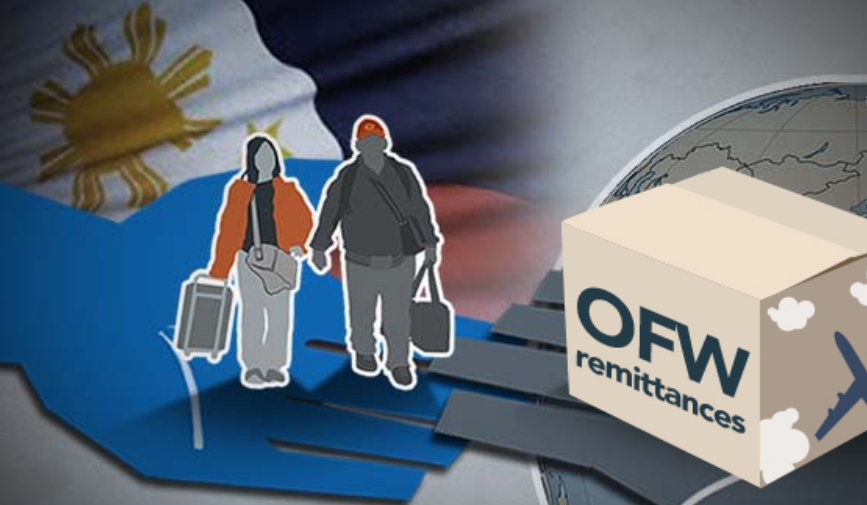
The sector’s growth is inextricably linked to the US$36.6 billion remittance market projected for 2026.
Digital banks and e-wallets like GCash are aggressively capturing this flow, offering cheaper, instant alternatives to traditional MTOs.
This is particularly vital as new international tax regulations push Overseas Filipino Workers (OFWs) toward more cost-efficient digital corridors.
The path ahead

While innovation is currently at an all-time high — including trials of stablecoins for cross-border settlements — challenges remain.
High operational costs and a 142% spike in synthetic identity fraud across the region have forced banks to pivot toward server-side biometrics and real-time fraud detection.
For the BSP, the goal remains a “cash-lite” economy by 2027.
For the world, the Philippines is providing the answer to a billion-dollar question: Can digital banks actually turn a profit while serving the unbanked?