
Digital banks are changing how many Filipinos save, spend, and manage their money. What was once considered a secondary option for savings or small transactions is increasingly becoming a primary financial tool for millions.
As more consumers shift from cash-heavy routines to mobile-first banking, digital banks are positioning themselves as key drivers of financial inclusion in the Philippines.
This shift goes beyond convenience. It reflects deeper changes in trust, accessibility, and financial behavior, particularly among previously unbanked and underbanked Filipinos who are entering the formal financial system through digital platforms.
From side wallets to primary savings accounts
Digital banks are changing how Filipinos use savings accounts. Instead of serving as secondary or “backup” accounts, they are increasingly becoming the main repository for salaries, savings, and everyday spending.

For many Filipinos — particularly younger users and gig economy workers — digital banks offer a lower barrier to entry into financial services.
Without the need for physical branches and with minimal documentation requirements, onboarding is typically faster and more accessible than with traditional banks.
More importantly, consumer behavior is evolving. Filipinos are no longer using digital platforms merely to store small amounts of money. Many are now relying on digital banks as their primary savings hub, drawn by higher interest rates, real-time transfers, and seamless app-based experiences.
Trust and financial inclusion take center stage
Trust has historically been a major barrier to banking adoption in the Philippines. Digital banks, however, are gradually addressing this through greater transparency, user-friendly interfaces, and integrated financial education features.
Digital-first savings tools and embedded financial guidance are helping users understand not just how to save, but why consistent saving matters.
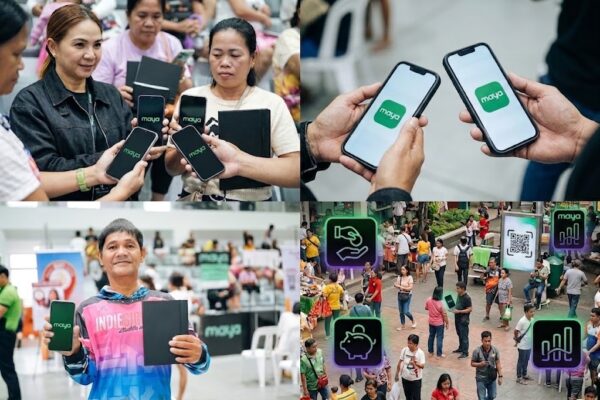
Platforms such as Maya have emphasized initiatives focused on expanding access to financial services, highlighting how digital ecosystems can help bridge long-standing gaps (“banking for the unbanked”) in financial inclusion.
As more Filipinos experience secure transactions, instant fund transfers, and reliable app performance, confidence in digital banking continues to grow. That trust will be essential in driving long-term adoption and reducing reliance on informal financial channels.
The role of incentives and ecosystem integration
One of the strongest drivers behind the rise of digital banks is their ecosystem-based approach.
Unlike traditional banks, which often offer fragmented services, digital banks integrate payments, savings, loans, and investments into a single platform.
For users, that means fewer steps and a more seamless way to manage everyday finances.
Cashback rewards, high-yield savings accounts, and seamless bill payment features encourage users to keep their funds within digital ecosystems rather than converting them back to cash.
At the same time, partnerships with merchants, e-wallets, and fintech providers make digital banks more relevant to day-to-day financial activity. The result is a closed-loop system where users can earn, save, spend, and invest without leaving a single platform.
Beyond banking: The future of Filipino savings behavior
The growing use of digital banks points to changing financial habits among Filipino consumers. It reflects a broader shift in how Filipinos approach money management.
Savings are becoming more intentional, accessible, and integrated into daily digital life.
As digital infrastructure improves and financial literacy expands, digital banks are expected to play an even greater role in reducing financial exclusion and reshaping the country’s savings culture.
What was once a supplementary financial tool is quickly evolving into a core part of personal finance for many Filipinos — reflecting how digital tools are becoming central to everyday financial life in the Philippines.