

Globe Business and China Bank Savings (CBS) are partnering to expand access to financial services for public school teachers and staff, bringing banking support closer to communities across the Philippines.
The collaboration comes as the country celebrates National Teachers’ Month, recognizing educators who continue to play a central role in shaping Filipino communities and the next generation. Through the partnership, Globe Business and CBS aim to make financial services more accessible, convenient and secure for teachers, including those working in far-flung areas.
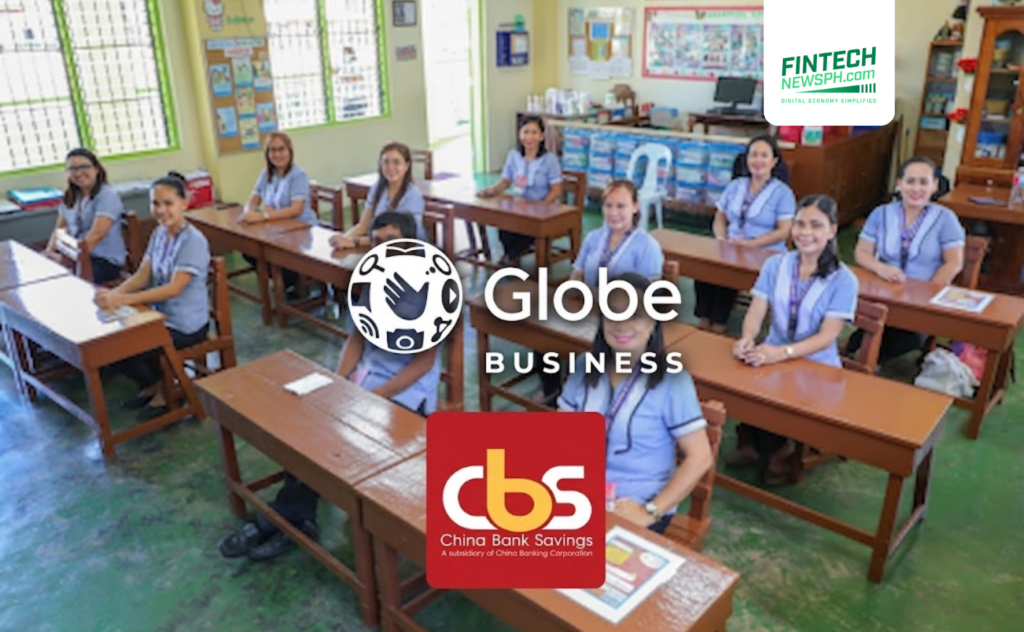
For educators who may have limited access to physical banking locations, bringing financial services closer to their workplaces and communities could help reduce the time and effort needed to manage everyday financial needs.
Bringing financial services closer to educators
The partnership focuses on using connectivity and financial services to create a more efficient way of serving teachers and school personnel.
For public school educators, access to banking is not only about having an account. It can also involve receiving financial support, managing transactions and accessing services without having to travel long distances to reach a bank branch.
This can be particularly relevant for teachers assigned to schools in areas where banking infrastructure is less accessible.
Globe Business brings its connectivity capabilities to the partnership, while CBS provides banking services designed to support the financial needs of educators and their communities. Together, the companies aim to create a more connected experience that allows teachers to access financial services more conveniently.
The initiative reflects a broader shift in how businesses can work together to address financial inclusion. Instead of treating connectivity and banking as separate services, partnerships can bring the two closer together to make financial services easier to reach.
Connectivity can help close the access gap

Reliable connectivity has become increasingly important to financial inclusion as more banking activities move online.
Mobile connectivity allows customers to access digital financial services without depending entirely on a physical branch. For communities outside major cities, this can make a meaningful difference, particularly when distance and transportation costs become barriers to accessing financial institutions.
For teachers and school staff in remote locations, having dependable connectivity can support access to financial services while also enabling them to remain connected to their schools, colleagues and communities.
The Globe Business and CBS partnership therefore goes beyond providing financial products. It highlights how telecommunications and banking can work together to address practical barriers that prevent some Filipinos from fully participating in the formal financial system.
Supporting the people behind Philippine education
The timing of the initiative also places educators at the center of a financial inclusion effort during National Teachers’ Month.
Teachers are often at the heart of the communities they serve, particularly in areas where schools function as important community institutions. Making financial services more accessible to them can help simplify some of the everyday challenges involved in managing their finances.
For Globe Business and CBS, the partnership is also an opportunity to recognize educators not only for their role in education but for their contribution to communities across the country.
The companies are positioning the collaboration as part of their shared goal of “orchestrating better lives” through more accessible and connected services.
A more connected path to financial inclusion
Financial inclusion in the Philippines increasingly depends on more than simply opening bank accounts. It requires making financial services practical and accessible for people regardless of where they live or work.
The Globe Business and CBS partnership demonstrates how connectivity can support that goal by helping bring banking services closer to underserved communities.
As more financial services become digital, partnerships between banks and telecommunications companies could play a bigger role in closing access gaps and ensuring that Filipinos, including educators in remote areas, can participate in a more connected financial system.