GCash GSukli is giving Filipinos another option for the coins and small bills they normally receive after paying in cash: send the change directly to their GCash wallet instead.
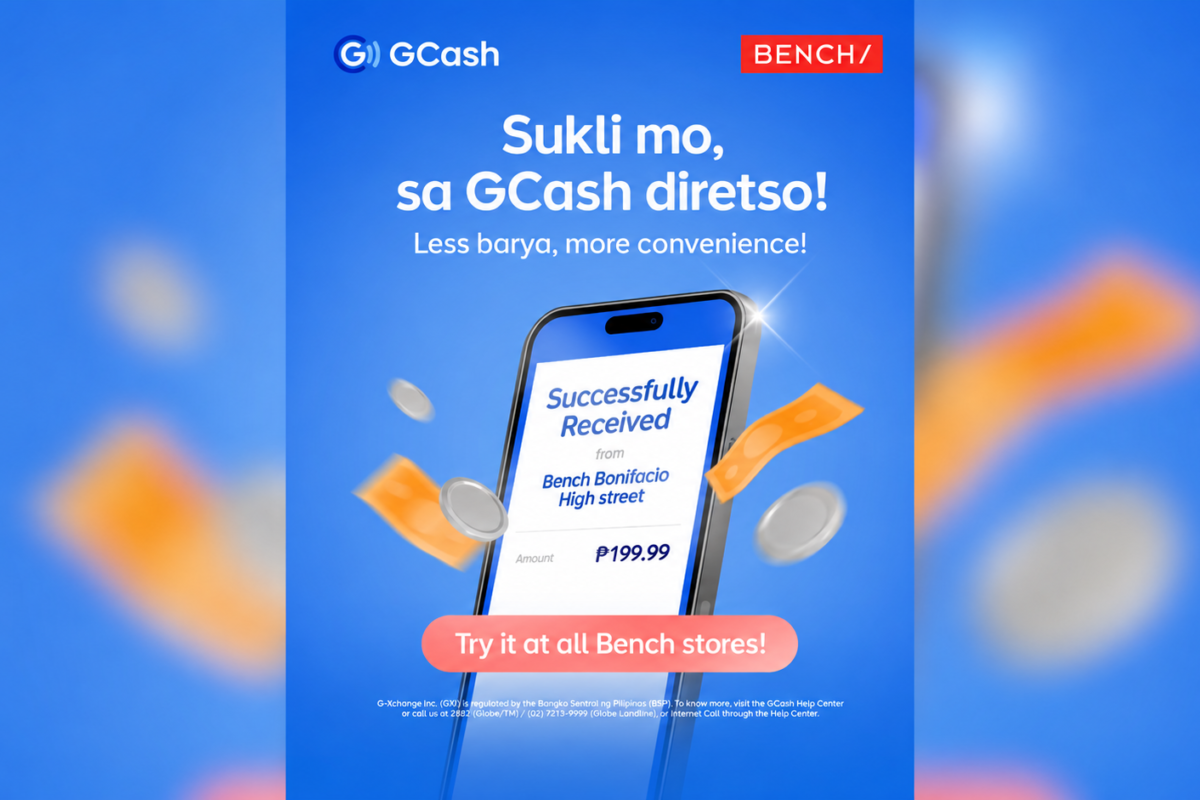
GCash has launched the new service with retail brand Bench, allowing customers who pay with cash to receive up to ₱199.99 in change digitally. GSukli is now available at all Bench branches nationwide, with more brands under Suyen Corporation expected to offer the service soon.
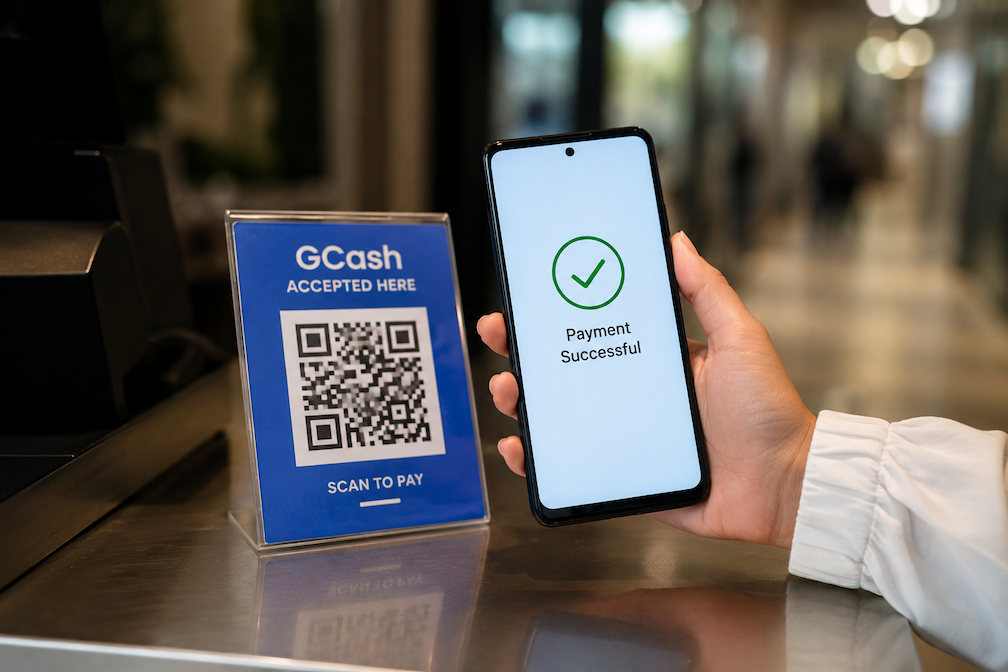
It creates an unusual reversal of the typical cashless-payment transaction. Instead of money moving from a customer’s digital wallet to a merchant, GSukli starts with a physical cash payment and moves only the remaining change into a digital wallet.
How GCash GSukli works
Customers still pay the store in cash as usual. At the cashier, they can ask to receive their change through GSukli and provide the mobile number registered to their GCash account.
According to GCash’s official GSukli instructions, the cashier processes the payment and the customer’s change of up to ₱199.99 is credited to the GCash wallet. Customers are advised to wait for an SMS confirming that the transfer was successful before leaving the store. The service is free.
Once credited, the money can be used like the rest of the customer’s GCash balance, including for payments, transfers, load and other transactions available through the wallet.
So what happens to the actual coins?
GSukli does not mean that a customer’s specific coins are somehow turned into digital money.
Instead of handing the customer the equivalent amount in physical change, the value owed is credited electronically to the customer’s GCash wallet. The physical cash used for the purchase remains on the merchant side of the transaction.
The detailed settlement arrangement between GCash and participating merchants has not been publicly disclosed, so it would be inaccurate to assume that an individual coin or bill is directly converted into an equivalent digital unit.
That distinction matters because money held inside GCash is electronic money rather than a digital version of a particular coin or banknote.
Under Bangko Sentral ng Pilipinas regulations on electronic money, e-money is electronically stored monetary value issued against the receipt of funds equal to the value issued. It can be accepted for payments and transferred or withdrawn subject to the issuer’s services and applicable rules.
A cash transaction that ends digitally
For GCash, GSukli expands digital payments without requiring customers to abandon cash completely.
A shopper can walk into a Bench store with only physical money, complete the purchase in cash and still leave with part of that transaction stored in an e-wallet.
That could make the feature particularly useful for small amounts that otherwise accumulate as loose coins, while potentially reducing the amount of change retailers need to keep available at their counters.
G-Xchange Chief Operating Officer and General Manager for Consumer Business Barbie Dapul said the feature is intended to make it easier for users to move between cash and digital transactions and make small amounts more accessible. In announcing GSukli, GCash described the feature as another practical way to put loose change to use.
Bench Vice President for Business Development Bryan Lim similarly said the partnership gives customers another way to use their sukli while making the in-store checkout process more convenient.
If GSukli expands to more Suyen brands and eventually other retailers, it could turn one of the most ordinary parts of paying with cash, waiting for sukli, into another entry point into the country’s digital payments ecosystem.