
Buy now, pay later (BNPL) apps and services have made it easier for Filipinos to split purchases into smaller payments. What looks like a manageable installment at checkout, however, can become more expensive once interest, service fees, penalties, and multiple active plans are factored in.
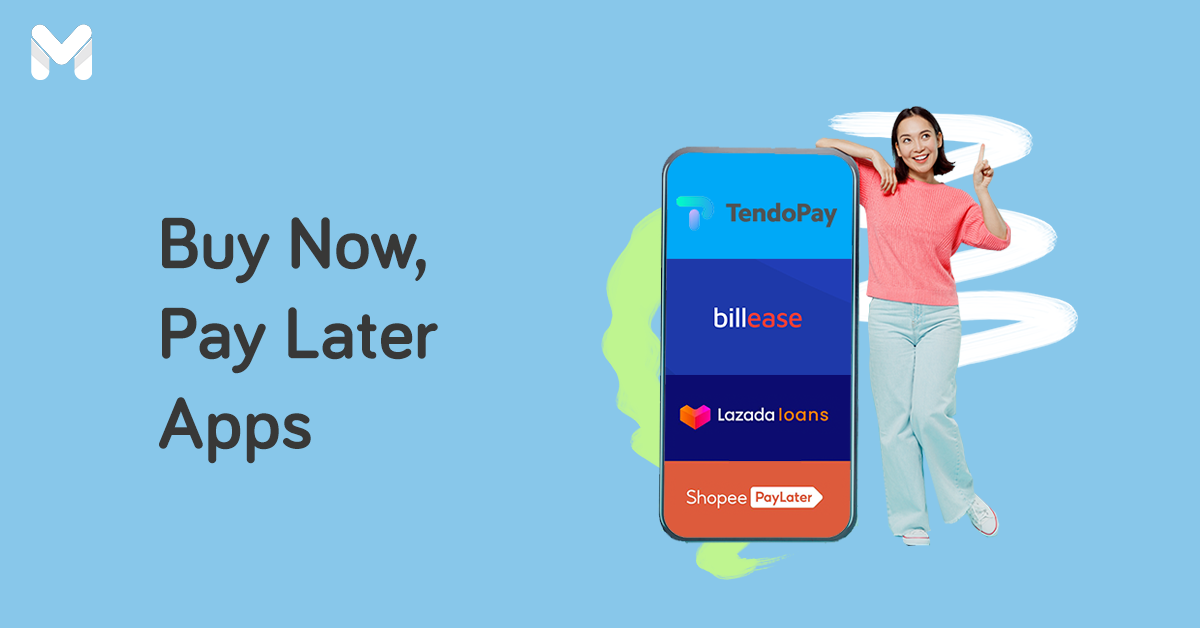
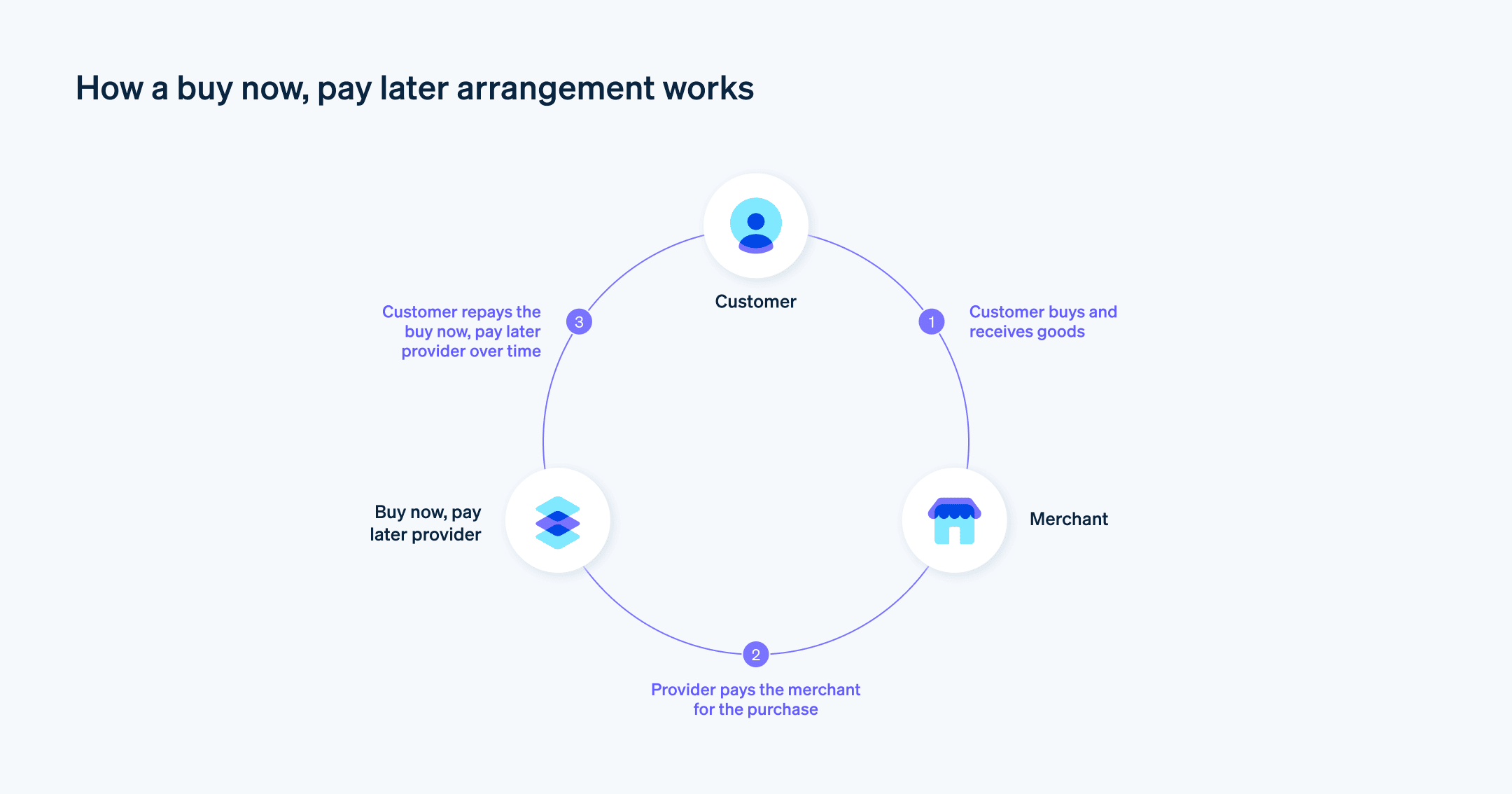
The convenience is part of BNPL’s appeal. Instead of paying the full price of a phone, appliance, clothing item, or online purchase upfront, consumers can spread the cost over several weeks or months. But the smaller payment shown on the screen does not always tell the whole story.
For Filipino consumers, understanding the total amount payable, not just the monthly installment, is essential before using any service such as those being offered by Atome and Billease, BNPL solutions that allow consumers to shop online and pay in installments.
A small installment can hide a bigger total cost
The most obvious cost of BNPL is the amount added to the original purchase price through interest or other charges.
Some plans may advertise low-interest or even zero-interest installments, but these offers can come with specific conditions. Other products may apply monthly rates, processing fees, service charges, or other costs depending on the provider and repayment period.
This is why a ₱10,000 purchase should not automatically be viewed as a ₱1,000-per-month expense simply because the app displays 10 installments. Consumers need to check whether the total repayment will actually remain at ₱10,000 or exceed it once all applicable charges are included.
The Bangko Sentral ng Pilipinas (BSP) emphasizes disclosure and transparency so financial consumers can understand the nature, terms, benefits, and risks of financial products before making decisions.
Late payments can make BNPL more expensive
The real financial burden can become more apparent when a borrower misses a payment.
Depending on the provider and product, late payments may trigger penalties, additional fees, or other consequences. A delayed payment can also disrupt a consumer’s budget, particularly when several BNPL purchases are being paid at the same time.
A 2025 BSP discussion paper examining the Philippine digital credit market found that only 36% of the platforms studied explicitly advertised late-payment fees, while details about such fees were sometimes buried in the fine print or placed outside the main page. The study also found that 64% explicitly advertised loan fees.
For consumers, this makes reading the terms before accepting a BNPL offer more than a formality. The late-payment rules can be just as important as the advertised installment.
BNPL can encourage impulse buying
Another cost is harder to see on a receipt: the temptation to spend more than planned.
Breaking a ₱6,000 purchase into six ₱1,000 payments can make the item feel more affordable. But the obligation does not disappear. It simply moves into future paychecks.
This can become a problem when consumers use multiple BNPL services simultaneously. One installment may seem manageable, but several ₱500, ₱800, or ₱1,500 payments can quickly take up a significant portion of monthly income.
The result is a form of budget fragmentation in which consumers may know how much each purchase costs individually but lose track of how much they owe altogether.
The cheapest option may be the one you do not finance
BNPL is not automatically bad. For a planned purchase that fits comfortably within the budget, an installment option can provide useful flexibility.
The problem begins when BNPL turns wants into debt that competes with essentials such as food, transportation, rent, utilities, savings, and existing loans.
Before using a BNPL app, consumers can ask themselves three simple questions:
- Do I actually need this purchase now?
- How much will I pay in total, including all fees and charges?
- Can I still comfortably make every payment if my income or expenses change?
The BSP’s own consumer education guidance similarly encourages consumers to consider whether a purchase is necessary, whether it can be saved for instead, and whether the payment, interest, and fees fit their budget.
Multiple BNPL plans can quietly pile up
One BNPL transaction may not create a serious financial problem, but several simultaneous transactions can.
For example, a consumer could have one installment for a phone, another for clothing, another for an online shopping order, and another for a restaurant or travel purchase. Each payment may appear affordable individually, but together they become a recurring monthly obligation.
This is where BNPL can start functioning less like a payment convenience and more like a growing credit balance.
A practical approach is to keep a running list of every active installment, including the remaining balance, payment date, monthly amount, fees, and final payment date. This makes the actual cost of BNPL visible rather than leaving it scattered across different apps.
Consumers should check who is behind the BNPL service
Not every digital credit product operates under exactly the same regulatory framework.
Consumers should check the provider, understand its terms, and determine which regulator or consumer protection mechanism applies. The BSP maintains a verifier for institutions it supervises, while the Securities and Exchange Commission (SEC) maintains information and advisories concerning lending and financing companies.
This is particularly important when an unfamiliar BNPL or digital lending service offers unusually easy access to credit.
A legitimate-looking app should not be a substitute for checking its terms, fees, privacy practices, and regulatory status.
BNPL should be treated as debt, not extra money

The biggest misconception about BNPL is that smaller installments make a purchase cheaper.
They do not.
BNPL changes when consumers pay, and depending on the product, it can also change how much they ultimately pay.
The convenience can be useful when managed carefully, but it becomes expensive when consumers focus only on the amount due today and ignore the total commitment over the next several months.
For Filipino consumers, the best way to use BNPL is to treat every installment as a real financial obligation. Check the total cost, understand the fees and penalties, keep track of multiple payment schedules, and make sure the purchase fits the budget before clicking “Buy Now, Pay Later.”
In the end, the real cost of BNPL is not just the fee added to a transaction. It is also the portion of tomorrow’s income that has already been committed today.