For Filipino MSMEs — from sari-sari stores and food stalls to salons and small retailers — accepting card payments has traditionally meant investing in a point-of-sale (POS) terminal. Now, Visa and USSC Money Services Inc. (UMSI) are giving small businesses another option: turn an eligible smartphone into a payment terminal.
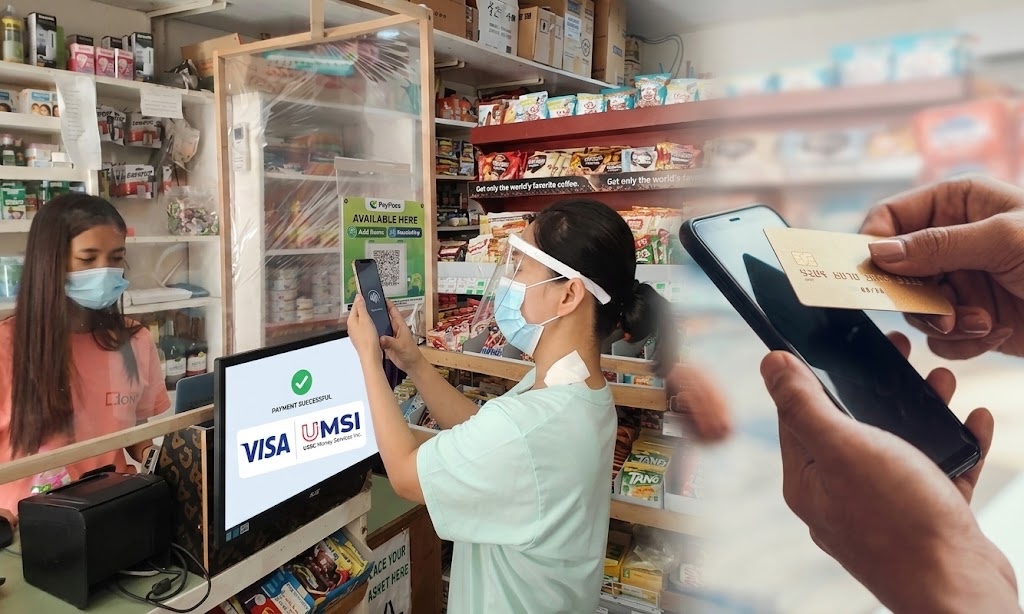
The new U Accept feature, built into UMSI’s uGrow app, allows MSMEs to accept contactless card payments using an NFC-enabled smartphone, potentially eliminating the need for dedicated POS hardware.
For small business owners that have long relied on cash, e-wallets, or QR codes, the move could open another way to get paid without having to add another piece of equipment to the business.
And that gets to the bigger question for many MSMEs: how much does it really cost to start accepting card payments?
A payment terminal in a smartphone
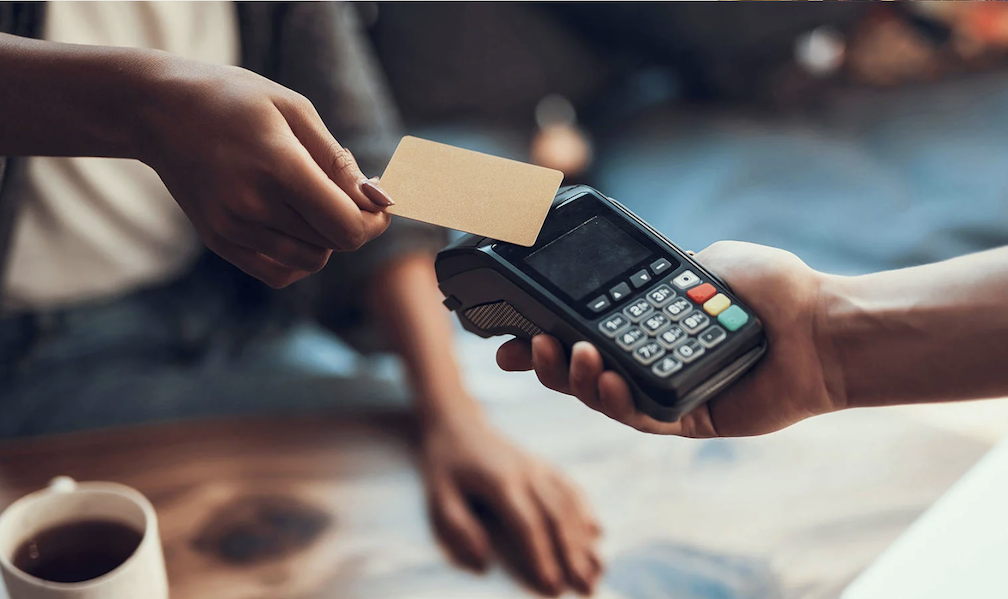
IMAGE CREDIT: Visa
Traditional card acceptance can require merchants to acquire or lease payment hardware, complete onboarding and learn another system.
U Accept takes a simpler approach by using a device many business owners already have: their smartphone.
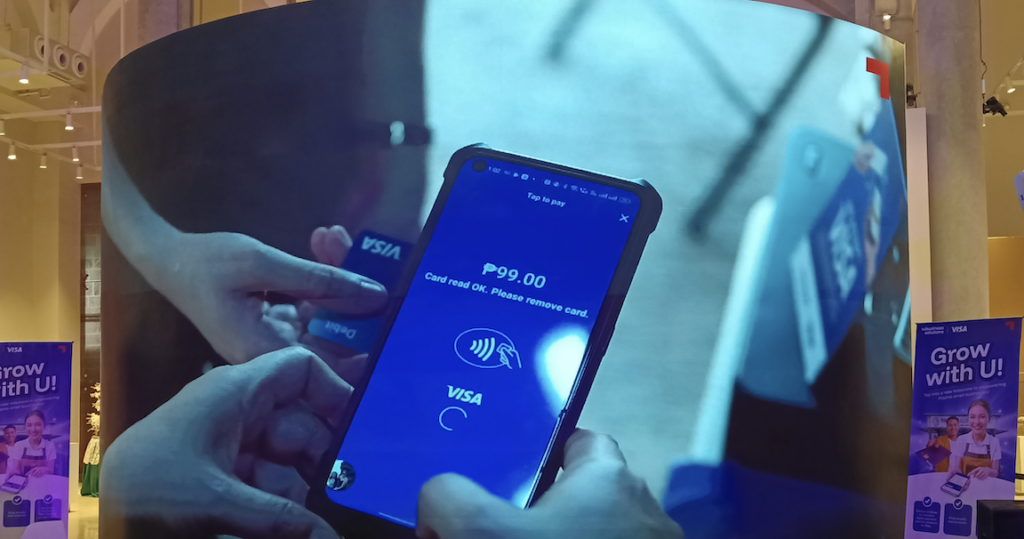
An eligible NFC-enabled phone can read a customer’s contactless card, effectively taking on the role of a card payment terminal.
For a small business operating on tight margins, that could be significant.
Money that might otherwise go toward purchasing or maintaining a POS machine can instead remain available for inventory, supplies, rent or other operating expenses.
UMSI says merchants can register using a barangay or business permit, with no onboarding fee.
There are still transaction processing fees when payments are accepted, however, so businesses should check the applicable Merchant Discount Rate (MDR) when they sign up.
What’s in it for the business owner?
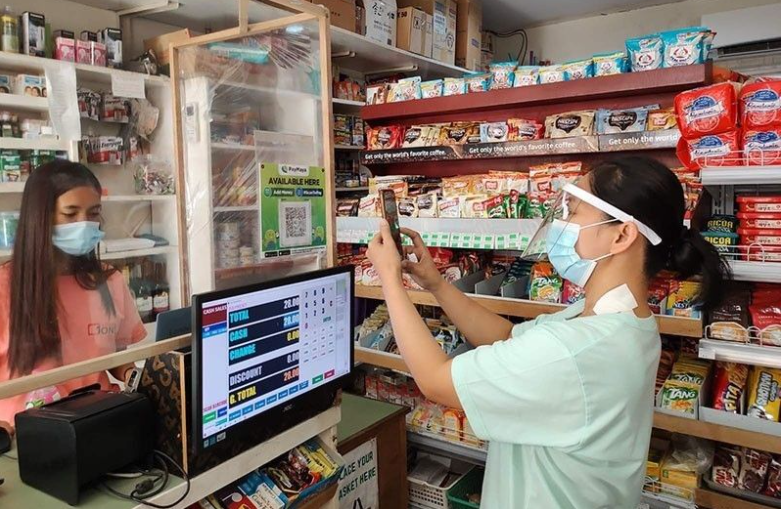
IMAGE CREDIT: Magnific
The most obvious benefit is another way to get paid.
A customer who prefers to tap a card doesn’t necessarily have to look for an ATM or abandon a purchase because they don’t have enough cash.
That could be particularly useful for small businesses serving customers who increasingly expect to have multiple payment options.
Visa’s own research suggests there can be a revenue benefit to accepting cards.
Its 2023 study of 503 micro and small businesses in the Philippines found that 83% of Filipino SME owners reported an increase in turnover after accepting card payments. Another 41% said customers spent more when they used cards.
Among businesses that did not accept cards, 67% said they would consider adopting a solution if they were given support.
Those figures don’t mean accepting cards will automatically increase sales for every merchant. But they point to an opportunity that small businesses may otherwise be missing.
It’s more than just tapping a card
U Accept also comes with features intended to help merchants manage their businesses after the payment is made.
Through the uGrow app, business owners can track sales, manage inventory, view transaction history and send digital receipts to customers through email.
The platform also supports pay-by-link, allowing merchants to request payments from customers who aren’t physically at the store.
Transactions are settled on a near-real-time basis to the merchant’s U Visa Prepaid Card.
For a small retailer, faster access to sales proceeds could be useful when cash flow is tight and inventory needs to be replenished quickly.
Could this help businesses outside Metro Manila?
This is where smartphone-based payment acceptance becomes particularly interesting.
A large business in a major commercial district is more likely to have access to banks, payment terminals and other digital infrastructure.
A small retailer in a provincial town may have fewer options.
If the merchant already has a compatible smartphone, removing the need for a separate POS device could make card acceptance more approachable.
That doesn’t solve every barrier to digital payments. Businesses still need to register, understand transaction fees and have a smartphone that meets the technical and security requirements.
But it lowers one of the most visible hurdles: the hardware.
The Bangko Sentral ng Pilipinas (BSP) has welcomed the launch, saying Visa Accept can help make digital payment acceptance more accessible to MSMEs and support the country’s broader digitalization and financial inclusion goals.
“The Bangko Sentral ng Pilipinas welcomes the launch of Visa Accept in the Philippines,” said Mamerto E. Tangonan, BSP Deputy Governor for the Payments and Currency Management Sector.
Tangonan said the initiative could help more Filipino MSMEs benefit from payment innovations.
Why this matters to Filipino consumers, too!
The conversation around digital payments often focuses on the consumer side: more people using cards, e-wallets and QR codes.
But digital payments only work when businesses have convenient ways to accept them.
That’s why U Accept could be more important than its seemingly simple premise suggests.
Instead of asking a small business owner to buy another machine, it puts payment acceptance on a device that is already part of everyday business life.
For the customer, that could mean another way to pay.
For the merchant, it could mean another sale.
And for a small business trying to keep costs under control, not having to buy a separate POS machine could be the difference between accepting card payments and sticking with cash.
Visa and UMSI launched U Accept as part of their broader push to expand digital financial services in the Philippines. The two companies also partnered in 2025 to launch Visa Direct, focusing on outbound money movement and cross-border payment services.
With U Accept, that partnership is moving into another part of the payments equation: helping more Filipino businesses accept the money in the first place.