


CIBI Information Inc. (CIBI) and the Cybercrime Investigation and Coordinating Center (CICC) have agreed to work together on improving how financial institutions share information that could help detect and prevent fraud.
The two organizations signed a memorandum of understanding (MOU) at the ASEAN Tech Summit 2026, opening the door for legally shareable records to be incorporated into the Fraud Intelligence Data Sharing (FIDS) Network, an initiative established by CIBI and Fintech Alliance.PH.
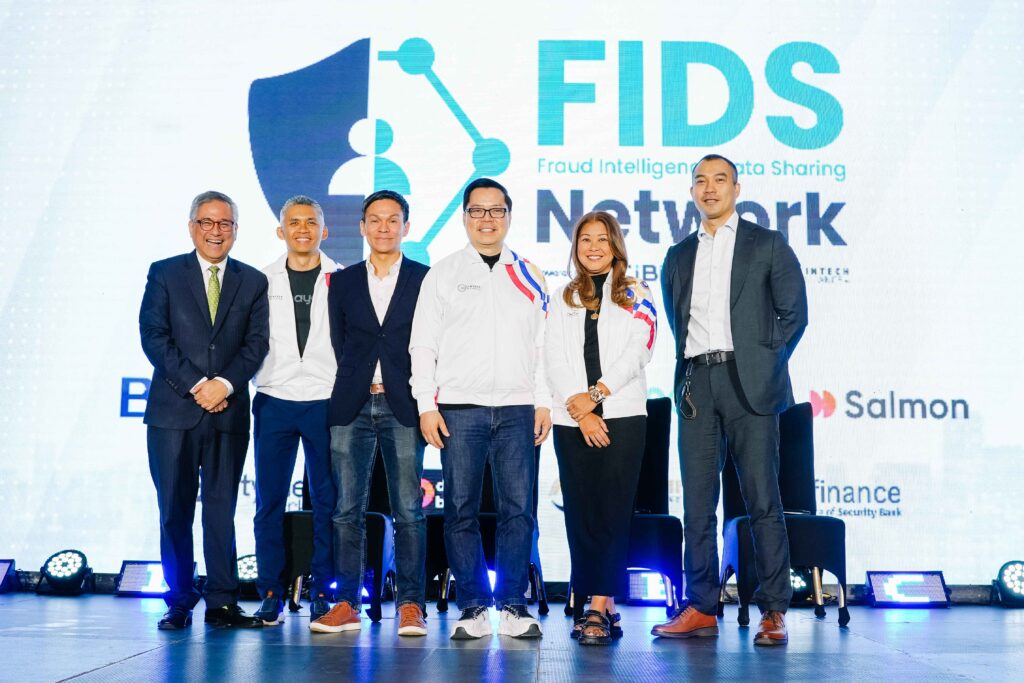
Executives of CIBI and Fintech Alliance.PH during the launch of the FIDS Network
The FIDS Network allows participating institutions to share fraud-related information securely, helping them spot suspicious transactions, identities, and other potential threats that may not be apparent from their own data alone.
The CIBI-CICC partnership could broaden that pool of information by bringing in records that can legally be shared by public-sector agencies.
Making fraud intelligence more connected
The move comes as financial fraud becomes harder to detect across increasingly interconnected digital platforms.
Fraudsters can operate across multiple accounts, services, and institutions, making it difficult for a single organization to see the full picture.
“Fraud is no longer an isolated challenge that institutions can address on their own,” said Pia Arellano, President and CEO of CIBI.

Pia Arellano, President and CEO of CIBI
“Threats today move across multiple platforms, organizations, and industries. Closer collaboration among financial institutions, regulators, and law enforcement agencies is essential to strengthening the country’s ability to prevent fraud before losses occur,” she added.
The FIDS Network differs from approaches that rely mainly on an institution’s own customer and transaction records. Participating organizations can contribute information and use shared intelligence to support their fraud detection efforts.
Arellano said the network could help institutions identify synthetic identities, suspicious activities, and other emerging forms of fraud.
“FIDS was designed to help institutions integrate fraud intelligence into their decision-making processes so they can identify synthetic identities, suspicious activities, and other emerging threats more effectively,” she said during the ASEAN Tech Summit 2026.
Public-private cooperation

IMAGE CREDIT: Freepik
The partnership also highlights the role of public-private cooperation in tackling financial crime as more transactions move online.
CIBI cited Bangko Sentral ng Pilipinas (BSP) estimates showing that around ₱15 trillion in credit flows through the Philippine banking system, underscoring the amount of financial activity that institutions need to protect.
For CIBI, bringing more public- and private-sector organizations into the FIDS Network could give participants a broader view of potential fraud risks.
The company said it expects participation in the network to grow as more organizations recognize the value of sharing fraud intelligence.
The partnership ultimately puts more emphasis on information sharing as a tool for fraud prevention, rather than leaving institutions to identify threats using their own data alone.
As financial services become increasingly digital, the ability to connect the dots across institutions could become just as important as the technology used to detect fraud in the first place.