
For many Philippine small and medium-sized enterprises (SMEs), winning new business is only half the battle. The bigger challenge often comes afterward—finding enough working capital to fulfill customer orders before payments arrive.
Take the case of Lea, who runs a printing and marketing supply business. A long-time client approached her with an order worth nearly three times its usual volume. It was exactly the kind of opportunity every entrepreneur hopes for: a chance to grow the business while strengthening an existing customer relationship.
There was just one problem.
To fulfill the order, Lea first had to purchase materials and cover production costs weeks before receiving payment from her client.
That cash flow gap is familiar to many Philippine SMEs.
As Goldwater Capital puts it: “Nandiyan na yung order. Nandiyan na rin yung potential na kita. Pero kailangan mo munang gumastos bago ka kumita.” (“The order is already there, and so is the opportunity to earn. But you still have to spend money before you can make money.”)
Without sufficient working capital, business owners often face difficult choices—delay projects, stretch existing resources, or turn down orders altogether despite having customers ready to buy.
Addressing a common SME financing gap

IMAGE CREDIT: Goldwater Capital
Goldwater Capital says this is precisely the problem it hopes to solve through PayNow, a working capital financing solution designed to help qualified SMEs purchase inventory, finance production, fulfill purchase orders, and manage short-term cash flow requirements.
While Cash flow constraints are often associated with struggling businesses, they can also affect companies experiencing rapid growth.
Many businesses incur expenses long before customers settle their invoices, particularly in industries where suppliers require upfront payments or production must begin before collections are made. The result is a timing mismatch between outgoing expenses and incoming revenue.
According to Goldwater Capital, these situations frequently arise when businesses need to purchase inventory for confirmed orders, finance project requirements, expand production capacity, or serve larger clients with longer payment terms.
Without access to additional financing, business owners may have little choice but to postpone expansion plans or decline opportunities that could generate long-term growth.
Financing growth, not replacing it

IMAGE CREDIT: Freepik
Goldwater Capital said PayNow is intended to bridge temporary funding gaps rather than replace long-term financing.
For SMEs, additional liquidity can help cover operational expenses while waiting for customer payments, replenish inventory during periods of strong demand, or maintain day-to-day operations without disrupting cash flow.
Lea’s experience illustrates how access to working capital can allow businesses to seize opportunities instead of passing them up. With financing, she was able to complete her client’s order on schedule while reinforcing a valuable business relationship.
“Many Filipino entrepreneurs already have the drive, talent, and opportunities to succeed,” Goldwater Capital said. “What they sometimes need is a financial partner that helps them move faster when opportunities arise.”
Growing demand for alternative SME financing
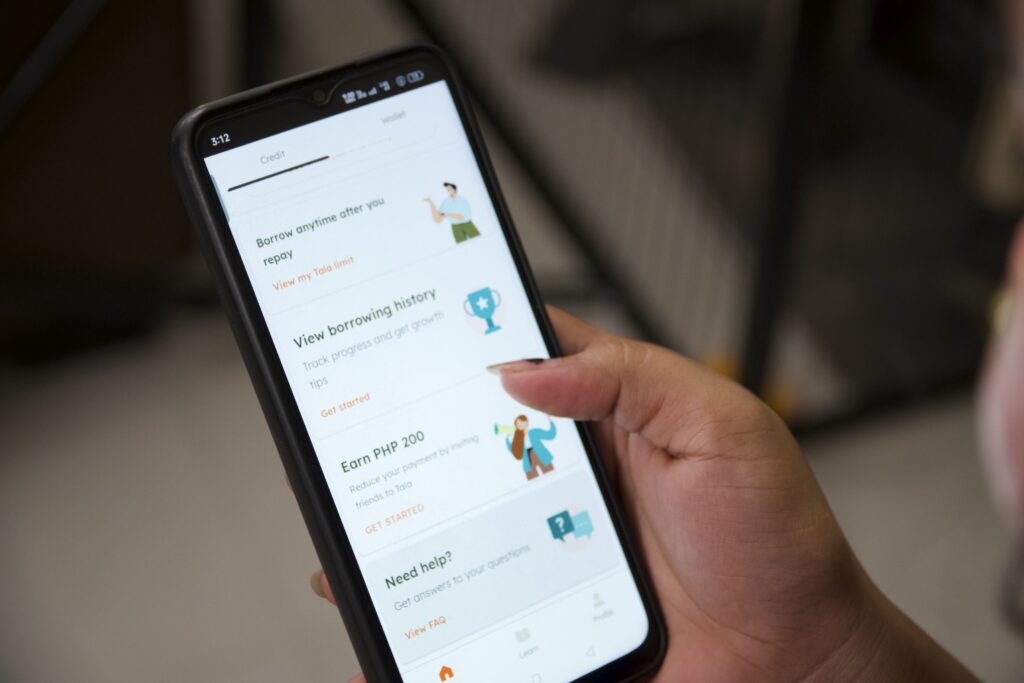
Access to financing remains one of the biggest challenges facing Philippine SMEs, which account for the overwhelming majority of businesses in the country and serve as a major source of employment and economic activity.
Although digital lending and alternative financing solutions have expanded in recent years, many entrepreneurs continue to encounter cash flow constraints, particularly when fulfilling large purchase orders or scaling their operations.
As more SMEs seek flexible financing options, working capital solutions are becoming an increasingly important part of the country’s business finance ecosystem.
By helping bridge the gap between securing new business and receiving customer payments, these financing tools can enable companies to pursue growth opportunities without placing undue pressure on their day-to-day cash flow.