


Insurtech firm RuralNet has surpassed ₱400 million in total insurance payouts, processing more than 33,000 claims as it continues to scale its digital microinsurance platform across underserved communities in the Philippines.
The milestone highlights the growing role of technology-driven insurance models in expanding financial protection, particularly in rural and low-income areas where coverage has traditionally remained limited.
Alongside the announcement, RuralNet said it is preparing to expand its product offerings into natural calamity protection by the third quarter of 2026, as the Philippines braces for heightened climate risks following the Philippine Atmospheric, Geophysical and Astronomical Services Administration (PAGASA)’s advisory on the onset of El Niño conditions.
The weather pattern is expected to bring volatility in rainfall and prolonged climate-related disruptions into early 2027.
Expanding protection amid a persistent coverage gap
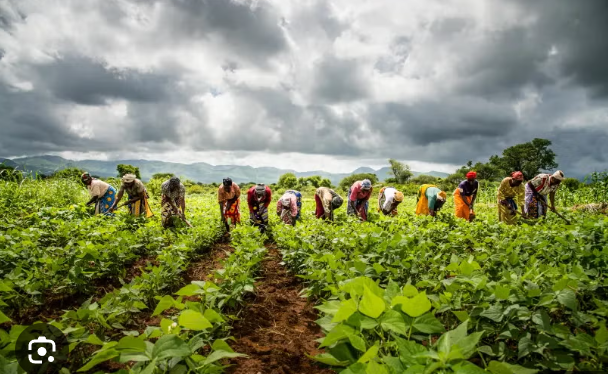
IMAGE CREDIT: Magnific
RuralNet’s latest milestone comes at a time when insurance penetration in the Philippines remains low.
Data from the Insurance Commission shows that overall penetration has edged up to 1.78%, while only around 28% of Filipinos currently have life insurance coverage. This leaves a significant portion of the population exposed to financial shocks from illness, accidents, and natural disasters.
Founded in 2018, the insurtech firm says it has built an API-driven insurance distribution platform that now reaches more than six million Filipinos. The company operates across 81 of 82 provinces in the country through partnerships with insurers, rural banks, cooperatives, and microfinance institutions.
According to RuralNet Founder and CEO Justin Arcenas, the company’s model is designed to combine affordability with scale.
“As a social impact company, RuralNet was founded to provide a safety net to low-income Filipino families who are the most vulnerable to financial shocks,” Arcenas said. “This milestone shows that affordable microinsurance can deliver real impact while remaining a scalable and sustainable business model.”
He added that the company’s upcoming expansion into calamity protection aims to help rural households better manage the financial impact of climate-related disasters.
Digital infrastructure driving claims efficiency

A key factor behind RuralNet’s growth is its proprietary digital infrastructure, which the company says has streamlined claims processing and reduced operational inefficiencies.
In a press release, the company reports that its system enables claims payouts 75% faster than the industry average, with a 97% approval rate. By digitizing distribution through API integrations with rural financial institutions, the company has reduced friction in both onboarding and claims settlement processes.
The model allows rural banks, cooperatives, and microfinance institutions to embed microinsurance products directly into their services, expanding access while lowering administrative costs.
CashKO supports nationwide expansion

IMAGE CREDIT: CashKO
Supporting RuralNet’s ecosystem is CashKO Insurance Brokerage, its wholly owned subsidiary and distribution arm.
CashKO, which the company describes as the country’s fifth-largest microinsurance provider, has protected more than six million Filipinos and generated ₱400 million in premiums. It currently works with 22 distribution partners and operates through more than 5,000 branches nationwide.
The subsidiary has played a central role in expanding RuralNet’s reach across both urban and rural communities, strengthening the company’s position in the microinsurance market.
Climate protection as the next frontier
RuralNet’s planned rollout of calamity insurance in Q3 2026 will focus on agricultural and rural communities, which are among the most vulnerable to typhoons, flooding, and drought conditions.

IMAGE CREDIT: weather.com
The expansion reflects a broader shift in the financial services sector, where insurers and insurtech players are increasingly looking to climate-linked products as extreme weather events become more frequent and severe.
With millions still underinsured and exposed to environmental risks, RuralNet’s move signals a growing emphasis on embedding climate resilience into financial protection products.
As the insurtech sector continues to evolve, RuralNet’s expansion suggests that digital platforms may play a larger role in closing the protection gap in the Philippines — particularly for communities that have historically remained outside the reach of traditional insurance systems.