
As digital payments become increasingly embedded in everyday life, cyber hygiene is no longer just an IT concern. It is becoming a national financial issue.
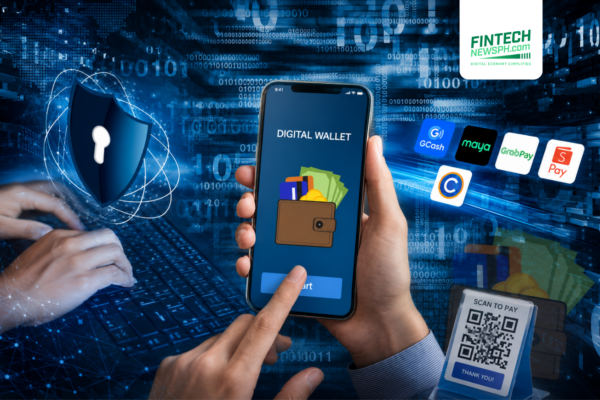
The Philippines has seen rapid growth in digital banking and e-wallet adoption over the past several years, bringing greater convenience and financial inclusion to millions of Filipinos. However, the same digital channels have also become attractive targets for scammers, fraud syndicates, and cybercriminals seeking to exploit unsuspecting consumers.
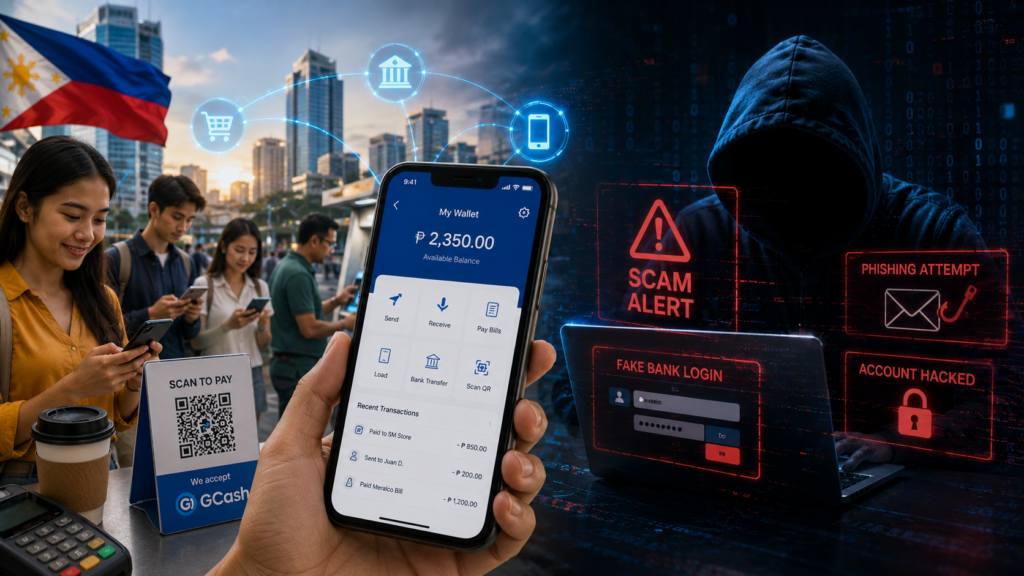
In response, the Bangko Sentral ng Pilipinas (BSP) has been stepping up public awareness efforts and fraud prevention campaigns aimed at protecting banking and e-wallet users from evolving threats.
BSP Raises Alarm on Growing Scam Threats
Recent advisories from the BSP highlight a wide range of scams affecting consumers, including phishing, smishing, vishing, website spoofing, identity theft, and SIM-related fraud. Through its Check, Protect, and Report campaign, the central bank has encouraged Filipinos to verify financial transactions carefully, secure their personal information, and promptly report suspicious activities.
The BSP has also warned the public about emerging threats such as SMS hijacking and money muling, where individuals are recruited, knowingly or unknowingly, to receive and transfer funds linked to illicit activities. These schemes have become increasingly sophisticated and often leverage social engineering tactics rather than technical hacking alone.

In a separate advisory, the BSP urged Filipinos to strengthen their digital security practices amid the continued rise of scams targeting e-wallet and online banking users. According to the central bank, cyber hygiene has become an essential component of personal financial protection in an increasingly digital economy.
According to the BSP’s ALERT guide against scams, many victims fail to report incidents, allowing fraudsters to continue targeting new victims. The guide encourages consumers to act quickly by alerting financial institutions, locking compromised accounts, and reporting incidents to the appropriate authorities.
Why Cyber Hygiene Matters for Financial Security
Cyber hygiene refers to the routine practices individuals adopt to protect their digital identities and financial accounts. While financial institutions continue investing in security technologies, consumers remain a critical line of defense against fraud.
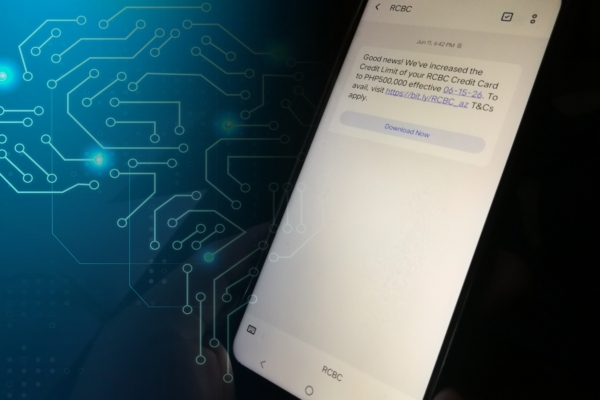
Many successful scams begin with simple actions such as clicking a malicious link, sharing a one-time password (OTP), responding to fraudulent text messages, or providing personal information through fake websites.
Phishing remains one of the most common threats. Attackers often impersonate banks, e-wallet providers, government agencies, or delivery services to trick users into revealing account credentials. Once obtained, these credentials can be used to gain access to financial accounts or facilitate unauthorized transactions.
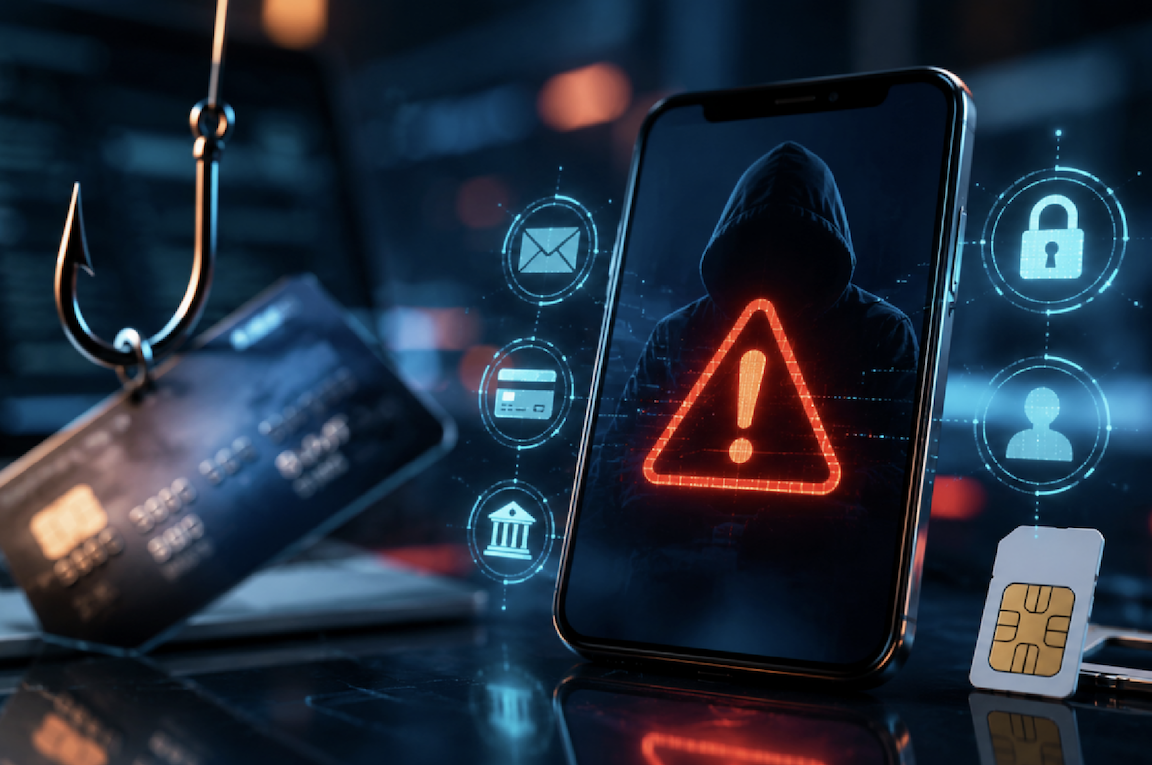
SIM-related fraud has also emerged as a growing concern. Criminals may attempt to gain control of a victim’s mobile number through fraudulent SIM replacement requests or social engineering attacks, allowing them to intercept OTPs and bypass certain authentication measures.
These threats demonstrate that cybersecurity is no longer confined to corporate networks. Personal digital habits now play a direct role in protecting financial assets.
Financial Institutions Tighten Defenses
Beyond consumer education, regulators are also pushing financial institutions to strengthen their fraud management capabilities.
In January 2026, the BSP reiterated the June 2026 deadline for banks and supervised financial institutions to enhance their fraud management systems under the Anti-Financial Account Scamming Act (AFASA), according to a GMA News report. The measures aim to improve fraud detection, monitoring, reporting, and response mechanisms across the financial sector.
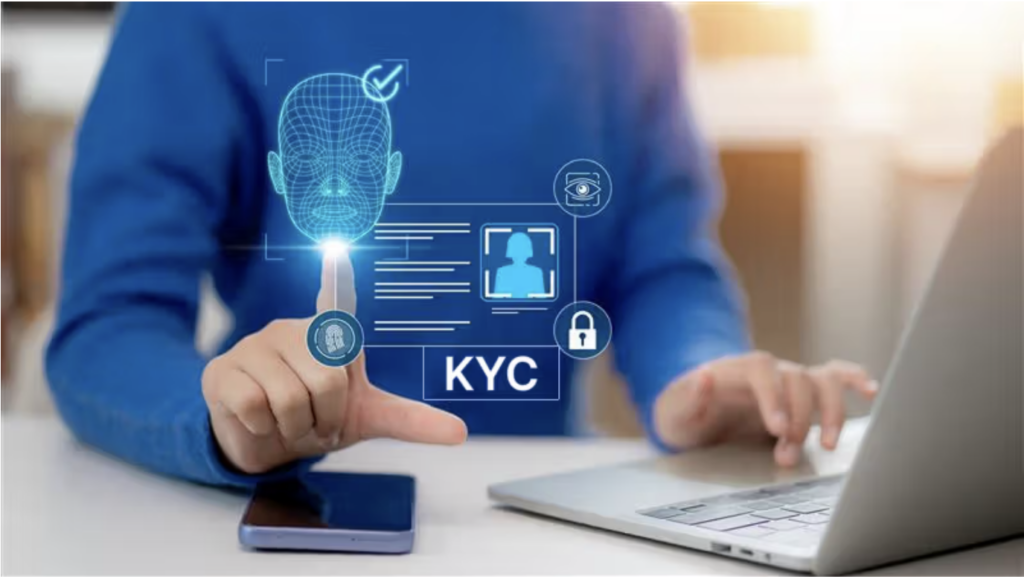
Many banks and fintech firms are increasingly deploying artificial intelligence, behavioral analytics, transaction monitoring tools, and enhanced Know-Your-Customer (KYC) processes to identify suspicious activities before losses occur.
These technologies help detect unusual account behavior, flag potentially fraudulent transactions, and strengthen identity verification processes. However, industry stakeholders acknowledge that technology alone cannot eliminate fraud risks.
Building a Culture of Digital Vigilance
As the Philippines continues its digital transformation journey, experts argue that cyber hygiene must become a shared responsibility among regulators, financial institutions, telecommunications providers, and consumers.
Simple practices such as enabling multi-factor authentication, regularly updating passwords, avoiding suspicious links, verifying website addresses, and safeguarding OTPs can significantly reduce exposure to scams.
The BSP’s recent campaigns reflect a broader reality: financial security increasingly depends on digital security. As more Filipinos embrace online banking and e-wallets, building strong cyber hygiene habits may become just as important as managing savings, investments, and day-to-day finances.
In an increasingly digital economy, protecting one’s financial future now starts with protecting one’s digital identity.