
As digital payments continue to dominate everyday transactions in the Philippines, GCash remains at the center of millions of financial activities — from sending money and paying bills to shopping and investing.
However, with its widespread use comes an escalating wave of scams that are becoming more sophisticated in 2026.
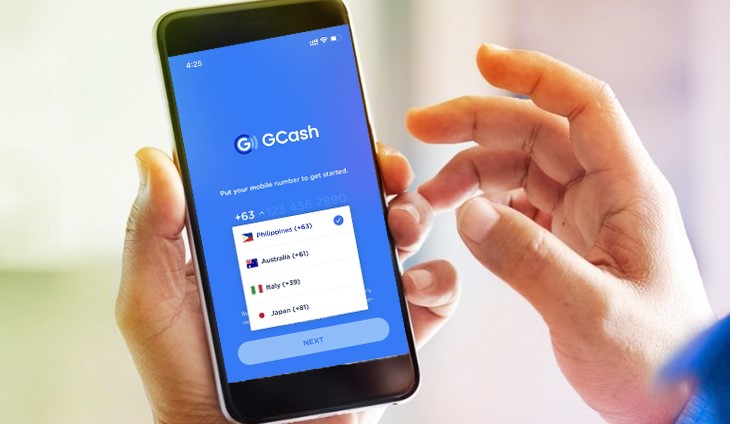
From fake customer support calls to phishing links disguised as promos, Filipino users are increasingly being targeted — not through system breaches, but through manipulation.
The new face of GCash scams in 2026
Recent patterns show that scammers are shifting tactics. Instead of brute-force hacking, they now rely heavily on social engineering — tricking users into willingly giving away sensitive information.
Common scams include:
- Fake GCash support calls or messages asking for OTPs or MPINs
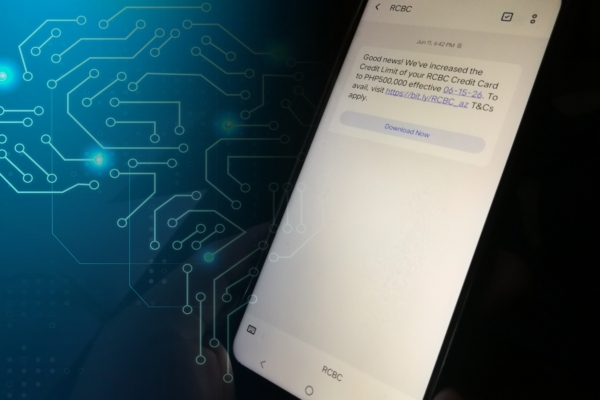
- Phishing links disguised as promos, refunds, or account verification pages
- Account takeover schemes using stolen SIM cards or compromised emails
- Investment scams promising unrealistic returns via GCash transfers
These attacks work because they exploit urgency and trust — two factors that digital users often rely on.
Why Filipino users are especially vulnerable
The Philippines’ rapid adoption of e-wallets has outpaced cybersecurity awareness. Many users are first-time digital finance adopters, making them more susceptible to deception.
GCash itself has acknowledged that while system protections continue to improve, user awareness remains a critical gap.
As noted in a recent Patches of Life feature, the focus in 2026 is not only on stronger security systems, but also on helping Filipinos build safer digital habits through everyday actions — such as pausing before transactions and verifying requests. This reflects a broader shift in how scams operate today: attackers are no longer breaking into systems — they are convincing users to hand over access themselves.
What GCash says: Built-in protections only go so far
According to GCash’s official security guidance, the platform already has multiple safeguards in place, including OTP verification, device binding, and fraud monitoring systems.
However, these protections still depend heavily on user behavior.
GCash repeatedly emphasizes:
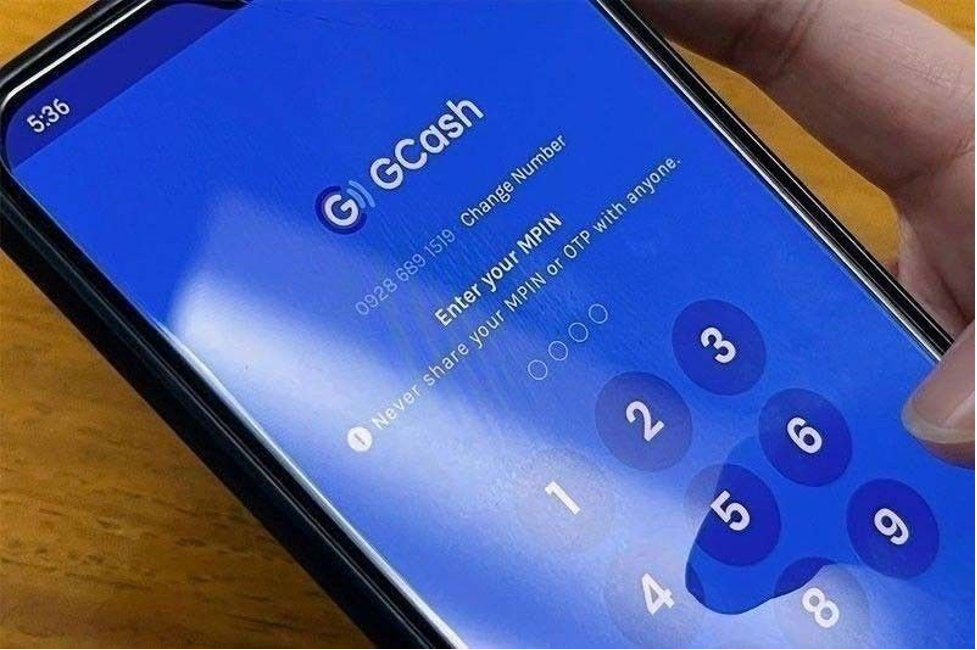
- Never share your MPIN or OTP
- Only log in through the official app
- Avoid clicking suspicious links
- Report unauthorized transactions immediately
In short, the strongest security layer is still the user.
The digital habits that can save your money
To stay protected in 2026, Filipino users need to adopt stricter digital discipline. This goes beyond basic awareness — it requires consistent habits.
1. Treat your OTP like cash
If someone asks for your OTP, it is a scam—no exceptions.
2. Never trust unsolicited messages
Even if it looks official, always verify through the GCash app or official channels.
3. Lock down your SIM and email
Your mobile number is your identity in e-wallets. Losing control of it means losing access to your funds.
4. Enable all available security features
Use device security, biometrics, and app locks whenever possible.
5. Pause before you act
Most scams rely on urgency. Taking a few seconds to verify can prevent irreversible losses.
The real risk: Human error, not system failure
What stands out in 2026 is that most GCash-related fraud cases are not due to platform vulnerabilities, but user actions — clicking, sharing, or responding without verification.
This shift changes the conversation around security. It is no longer just about having a secure app, but about building a security mindset.
A shared responsibility in the digital economy
As the Philippines continues its push toward a cash-lite economy, the responsibility for security is becoming more distributed.
Platforms like GCash can strengthen systems, but users must strengthen habits.
Because in today’s environment, protecting your account is no longer just a technical issue — it is a daily behavior.