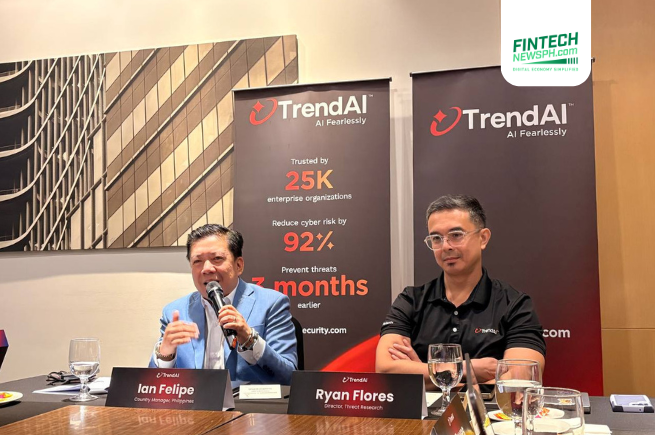
TrendAI is reshaping how enterprises in the Philippines approach cybersecurity as artificial intelligence becomes central to business operations. With the rebranding of Trend Micro’s enterprise unit into TrendAI™, the shift signals more than a name change — it reflects a deeper transformation toward AI-first security strategies.
“This is not a cosmetic change. It signals where we are going and how we intend to lead,” said Eva Chen, CEO of Trend Micro emphasizing that security must evolve as fast as the technologies it protects. As organizations redesign workflows around AI, data, and automation, the new enterprise positions itself as a critical enabler of secure and resilient digital transformation.
TrendAI and the shift to AI-first cybersecurity
TrendAI marks the culmination of Trend Micro’s evolution from standalone security tools into a unified AI-powered platform. At the center is TrendAI Vision One™, which integrates cloud, endpoint, network, and threat detection into a single ecosystem designed to manage cyber risk holistically.
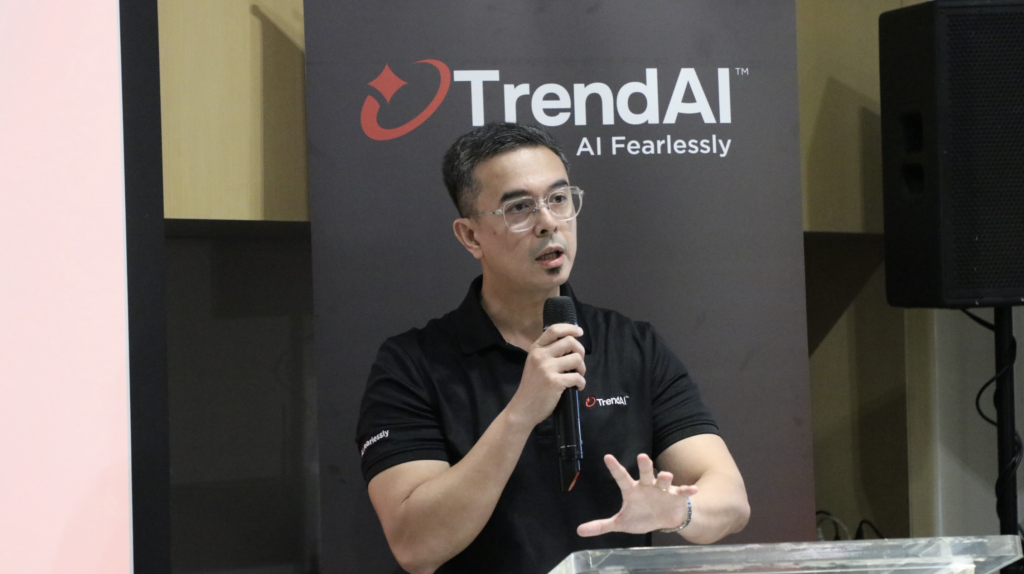
This transformation comes at a time when AI is no longer experimental. As Ryan Flores, Director, Threat Research, noted, “AI is not new… but it only became mainstream recently,” highlighting how rapid adoption has outpaced security readiness. TrendAI responds to this gap by embedding security directly into the AI lifecycle — from infrastructure to user interaction.
For Philippine enterprises, this unified approach is critical. Businesses are increasingly adopting AI not just for efficiency but for core operations, making cybersecurity a boardroom-level priority rather than a purely technical concern.
TrendAI insights on PH AI adoption and gaps
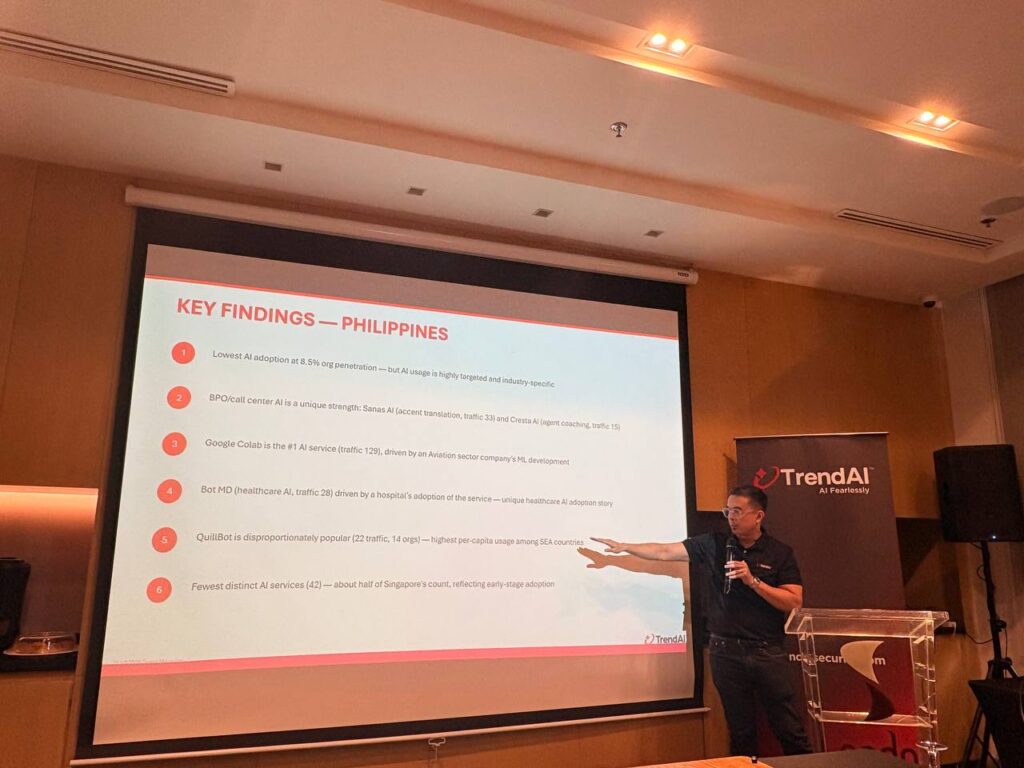
TrendAI data reveals a nuanced picture of AI adoption in the Philippines.
While confidence levels are high among both technical and business leaders, actual implementation tells a different story. Only a small percentage of devices actively access AI services compared to regional neighbors.
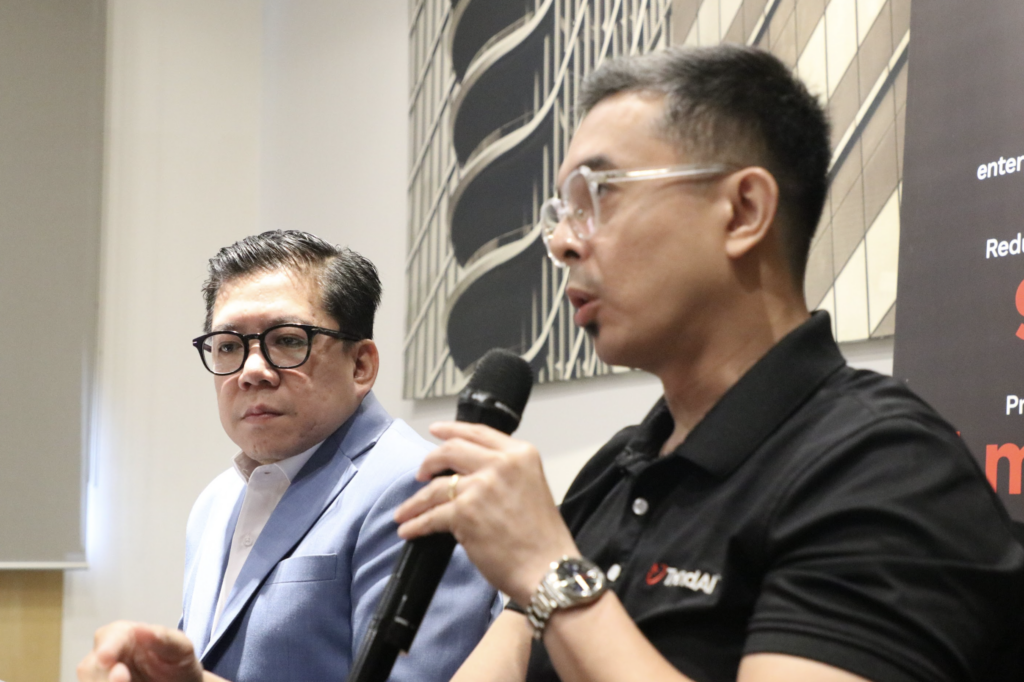
This disconnect reflects what Flores describe as “preparedness versus understanding.” Many organizations believe they are ready for AI, yet lack clarity on compliance, governance, and data security frameworks.
Another contradiction emerges in visibility — companies claim awareness of AI systems but struggle to detect anomalies or threats within them.
“There’s a lot of potential, but also conflicting responses,” Flores explained, pointing to gaps between perception and reality. These insights highlight a key challenge for TrendAI: bridging knowledge, capability, and execution in enterprise environments.
TrendAI tackles emerging cyber risks in AI era
As AI adoption grows, so does the attack surface. The new enterprise highlights that integrating AI into enterprise systems introduces new vulnerabilities, particularly within the technology stack required to build and deploy AI solutions.
Organizations are increasingly deploying AI models without fully updating or securing them. “They deploy, they don’t update, and they forget,” Ryan Flores warned — underscoring a dangerous pattern that exposes systems to cyber threats. The rise in AI-related vulnerabilities year over year further reinforces the urgency for proactive security strategies.
TrendAI addresses these risks through initiatives such as adversarial testing with HackerVerse, expanded incident response partnerships, and its AI Security Brief podcast. These efforts aim to help enterprises move beyond reactive defense toward continuous risk management and resilience.
A new era of AI security leadership
TrendAI represents a strategic pivot toward securing the future of AI-driven enterprises. As the Philippines accelerates its digital transformation, the need for integrated, intelligent cybersecurity solutions becomes more urgent than ever.
By aligning innovation with security, it enables organizations to embrace AI confidently — turning potential risks into opportunities for growth, efficiency, and long-term resilience.