
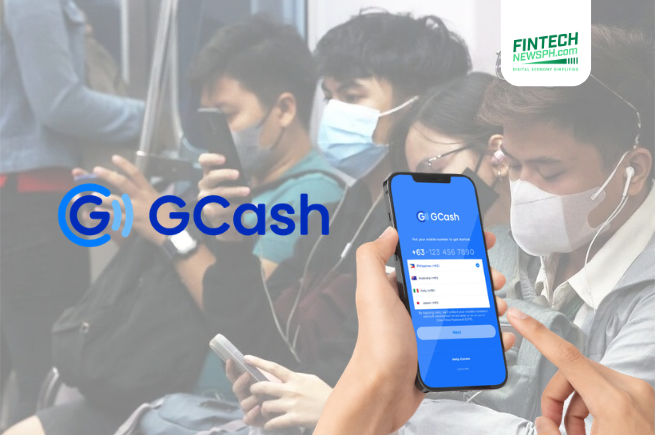
The Philippines’ growing reliance on digital financial platforms is becoming increasingly evident as GCash continues to evolve from a mobile payments tool into a broader financial ecosystem.
What began as a digital wallet for basic transactions has expanded into a platform offering payments, fund transfers, savings, investments, insurance, and credit access. For many Filipinos, GCash has become more than just a convenience app — it is now a primary gateway to financial services.
This shift highlights how digital finance is reshaping consumer behavior across the country. At the same time, it raises broader questions about platform concentration and whether users are becoming overly dependent on a single app for their financial needs.
How GCash became part of everyday financial life
GCash’s growth as a dominant financial platform is closely tied to its ability to simplify everyday transactions.

From bill payments and money transfers to mobile load purchases and online shopping, the app has made routine financial activities faster and more accessible. Over time, this ease of use has shifted consumer habits, transforming occasional transactions into regular, often daily, usage.
As the platform expanded its offerings, it positioned itself beyond payments. The introduction of savings products, investment tools, insurance access, and lending services accelerated its transformation into a financial super app.
This expansion has contributed to financial inclusion, particularly in underserved areas where access to traditional banking infrastructure remains limited.
However, the same integration that drives convenience also increases user reliance on a single ecosystem. As more financial services are consolidated within one platform, switching to alternatives becomes less intuitive.
Convenience and ecosystem lock-in
A key factor behind GCash’s widespread adoption is its seamless user experience.
Transactions that previously required bank visits, separate applications, or manual processing can now be completed within minutes. This streamlined design encourages repeated use and reinforces habitual engagement.

As adoption deepens, many users begin centralizing their financial activities within the platform — from receiving salary transfers and managing day-to-day expenses to maintaining savings and exploring investment options.
While this centralization improves efficiency, it also reflects a broader trend of ecosystem lock-in, where users become deeply embedded within a single financial platform.
The concern is not convenience itself, but the reduced likelihood of exploring alternatives once a platform becomes deeply integrated into daily financial routines.
Risks of over reliance on a single platform
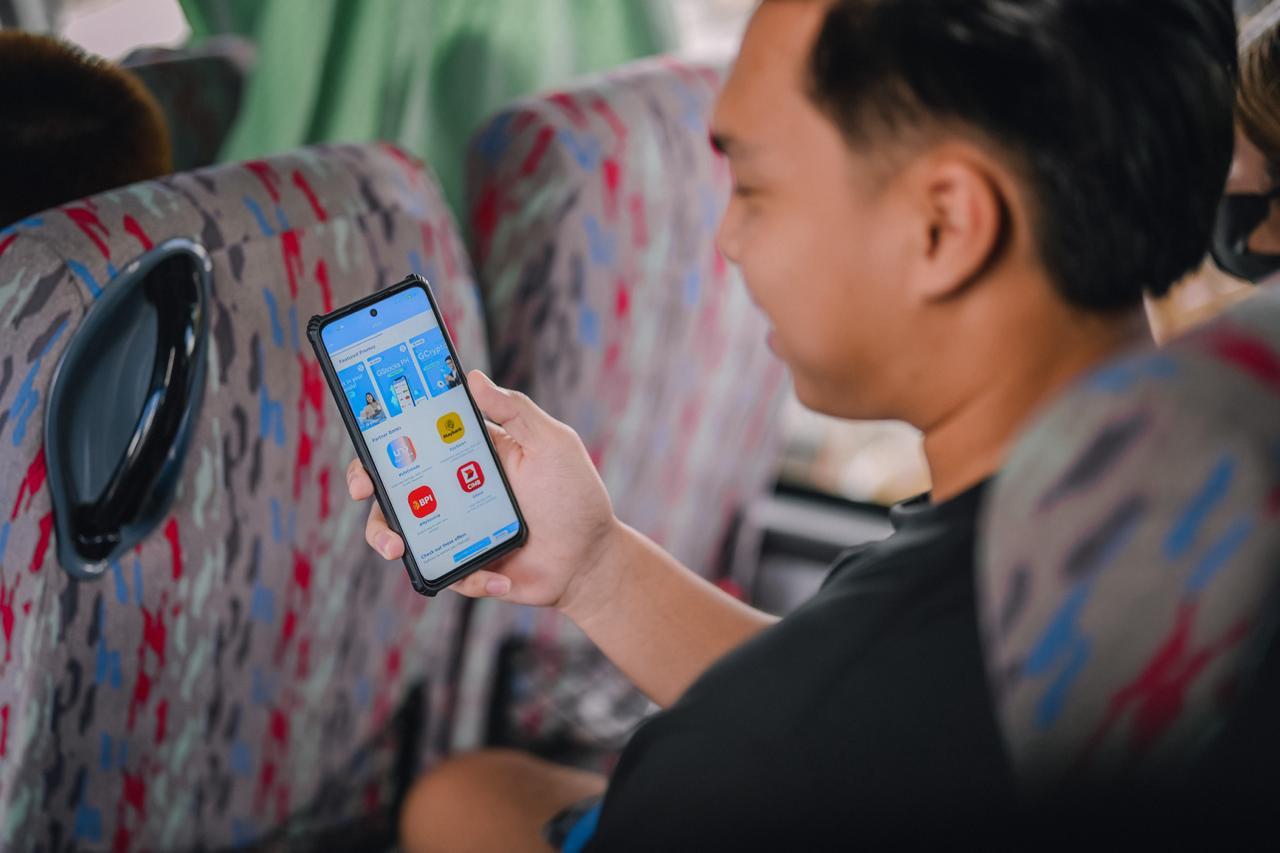
While GCash has played a significant role in advancing digital finance in the Philippines, reliance on any single platform carries potential risks.
Service disruptions, technical outages, or cybersecurity incidents can have widespread consequences when millions depend on one app for essential transactions.
There is also the issue of financial concentration. Consolidating multiple financial activities within a single ecosystem may limit user exposure to alternative services that could offer different features, pricing structures, or protections.
In a rapidly evolving fintech landscape, over dependence on one platform may reduce flexibility for consumers and potentially slow broader ecosystem competition.
Beyond the super app model
The rise of super apps reflects the increasing demand for integrated digital financial services.
For users, the challenge lies in balancing convenience with resilience. While centralized platforms simplify financial management, diversification across multiple services may offer greater flexibility and reduce dependency risks.
As the Philippine fintech sector continues to mature, the next phase of digital finance may not be defined solely by how comprehensive a single platform becomes, but by how effectively users can navigate an increasingly interconnected financial ecosystem.