


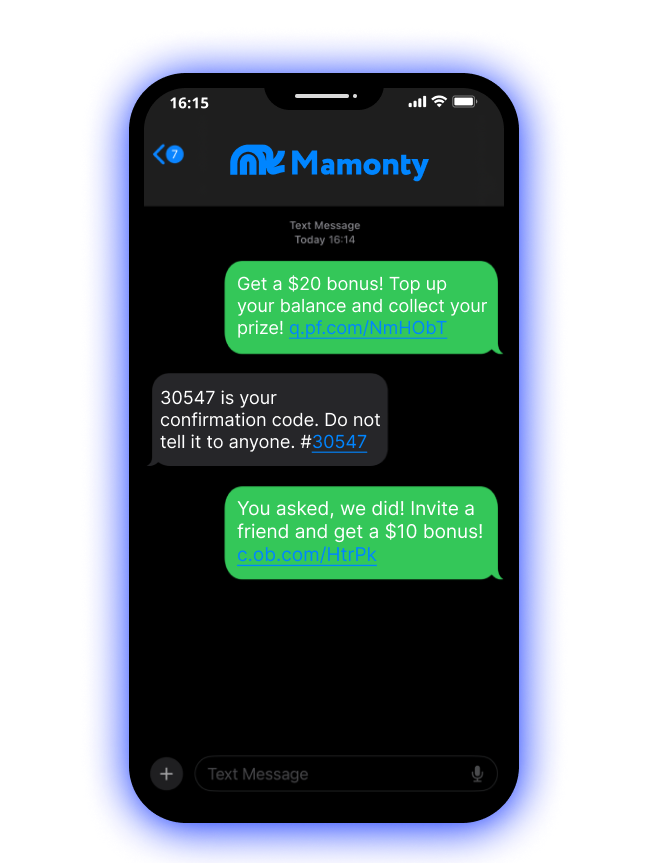
Gambling SMS continues to proliferate across the Philippines, slipping past existing safeguards and reaching millions of mobile users daily.
What began as sporadic spam has evolved into a sophisticated scam ecosystem — often leveraging spoofed sender IDs, AI-generated messages, and cross-border operations.
As financial fraud risks grow, policymakers and industry players are being pushed to rethink current defenses and adopt more adaptive, layered solutions.
Strengthening SIM registration and law enforcement
The Philippines’ SIM Registration Act was introduced as a frontline defense against scams, including gambling SMS. By linking mobile numbers to verified identities, regulators aimed to deter anonymous abuse. However, enforcement gaps remain.
Fraudsters continue to exploit loopholes through bulk registrations, identity theft, and the use of mule accounts.
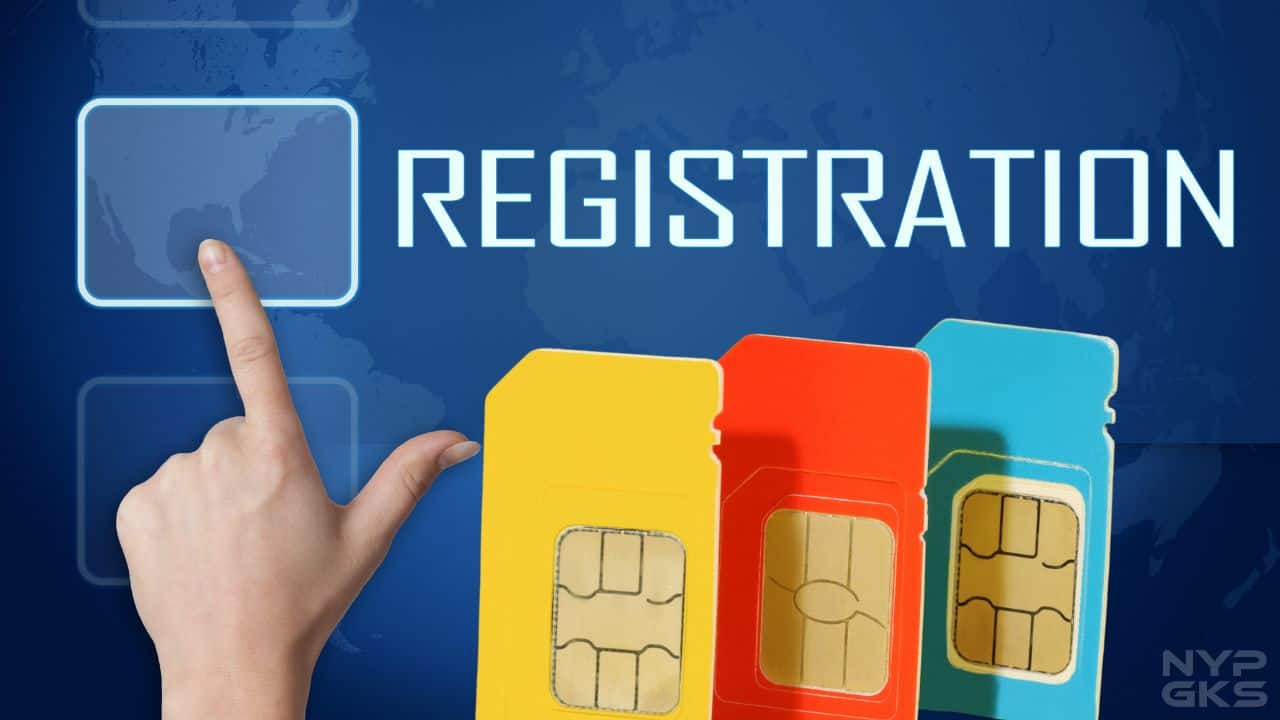
To address this, stricter verification protocols and real-time database integration could be implemented. Countries like Singapore have enhanced SIM registration with biometric checks and tighter onboarding rules for telecom providers.
For the Philippines, aligning registration systems with national ID databases and introducing periodic revalidation could significantly reduce misuse tied to gambling SMS campaigns.
Leveraging AI filters and telecom collaboration
As gambling SMS tactics become more advanced, static filtering systems are no longer sufficient.
AI-powered filters offer a dynamic alternative — capable of detecting patterns, language anomalies, and evolving scam scripts in real time. These systems can flag suspicious messages before they reach end users, reducing exposure at scale.

Telecom providers play a critical role here. In markets like the UK and Australia, carriers actively deploy machine learning tools alongside government directives to block scam traffic.
A similar model in the Philippines, where telcos, regulators, and cybersecurity firms collaborate, could create a unified defense layer. Integrating AI filters directly into network infrastructure may prove essential in curbing gambling SMS effectively.
Global lessons and policy innovations
Globally, governments are adopting multi-layered strategies to combat SMS-based fraud. India, for instance, has implemented distributed ledger technology (DLT) to track and verify commercial messages, ensuring traceability and accountability.
Meanwhile, the European Union enforces strict data privacy and anti-spam regulations that penalize unauthorized messaging.

For the Philippines, combining these approaches could yield stronger results. Beyond SIM registration and AI filters, policies could include sender ID registration, cross-border enforcement agreements, and public awareness campaigns.
Encouraging users to report gambling SMS incidents also helps build data intelligence, enabling faster response and continuous system improvement.
A multi-layered defense for a growing threat
The rise of gambling SMS underscores the need for a more proactive and adaptive cybersecurity framework. While SIM registration laid the groundwork, evolving threats demand smarter tools and tighter collaboration.
By integrating AI-driven filtering, strengthening enforcement, and learning from global best practices, the Philippines can move closer to a safer digital environment — one where fraudulent messages struggle to reach their targets at all.