As healthcare and financial technology continue to converge, a new category of digital services is taking shape in the Philippines.
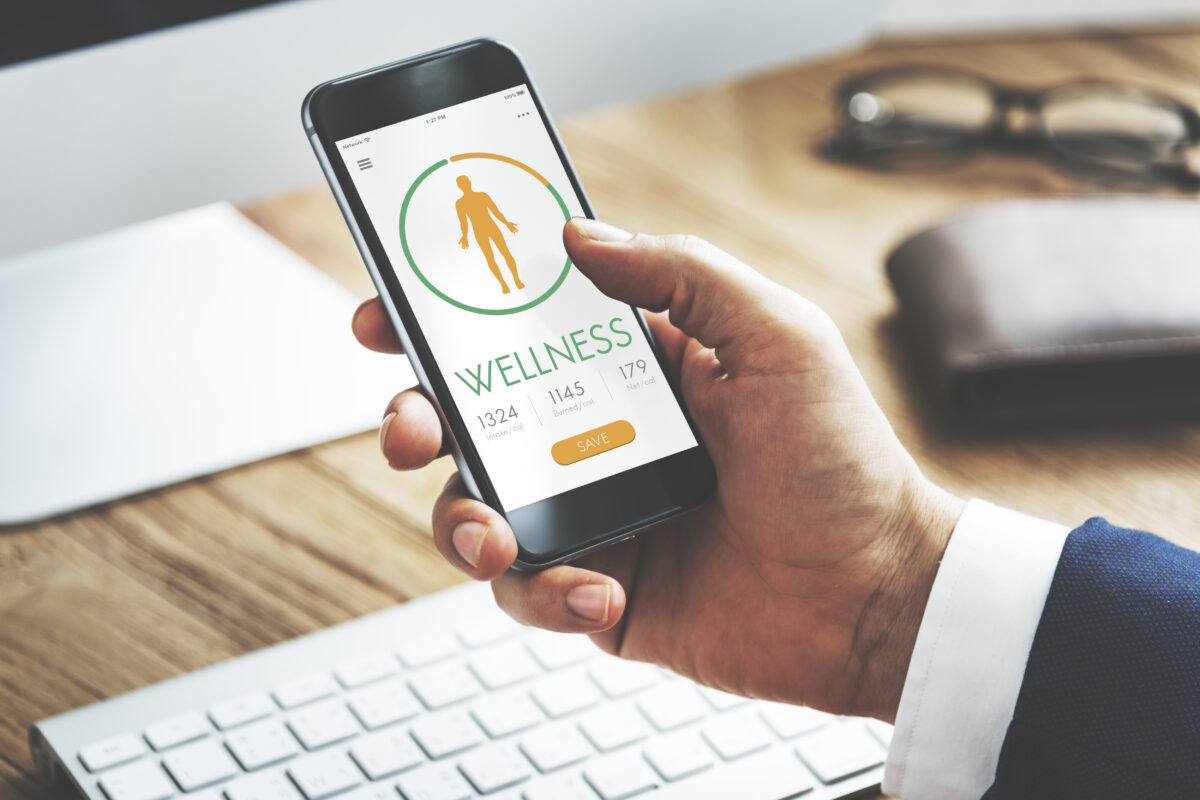
Health apps, telemedicine platforms, and fitness subscriptions are increasingly integrating with digital wallets, allowing users to access and pay for wellness services within a unified ecosystem.
This shift reflects a broader “embedded finance” trend in the local fintech scene, where everyday services — from transport to groceries — are integrated directly into financial platforms.
In the healthcare sector, this integration is redefining how Filipinos access care, manage recurring subscriptions, and finance preventive services.
From consultations to checkout: The telemedicine-fintech link
Telemedicine saw rapid adoption in the Philippines during the pandemic, but its long-term viability is now being driven by convenience and payment integration.
As of March 2026, the Department of Health (DOH), in coordination with the Department of Information and Communications Technology (DICT), is accelerating efforts to integrate digital platforms into the national healthcare system in line with the Universal Health Care (UHC) Act.
This move signals a transition from pandemic-era stopgaps toward a stable, data-driven model of healthcare delivery, including the nationwide digitization of public hospitals.
Modern health platforms are moving beyond mere consultation bookings. Many now allow users to settle fees for doctor visits, laboratory tests, and prescriptions via built-in payment systems or linked e-wallets.
This reduces friction in the patient journey, particularly for the unbanked or underbanked segments of the population.
Some providers are now even exploring subscription-based models, turning healthcare into a recurring digital service rather than a one-off transaction.
The rise of subscription-based wellness
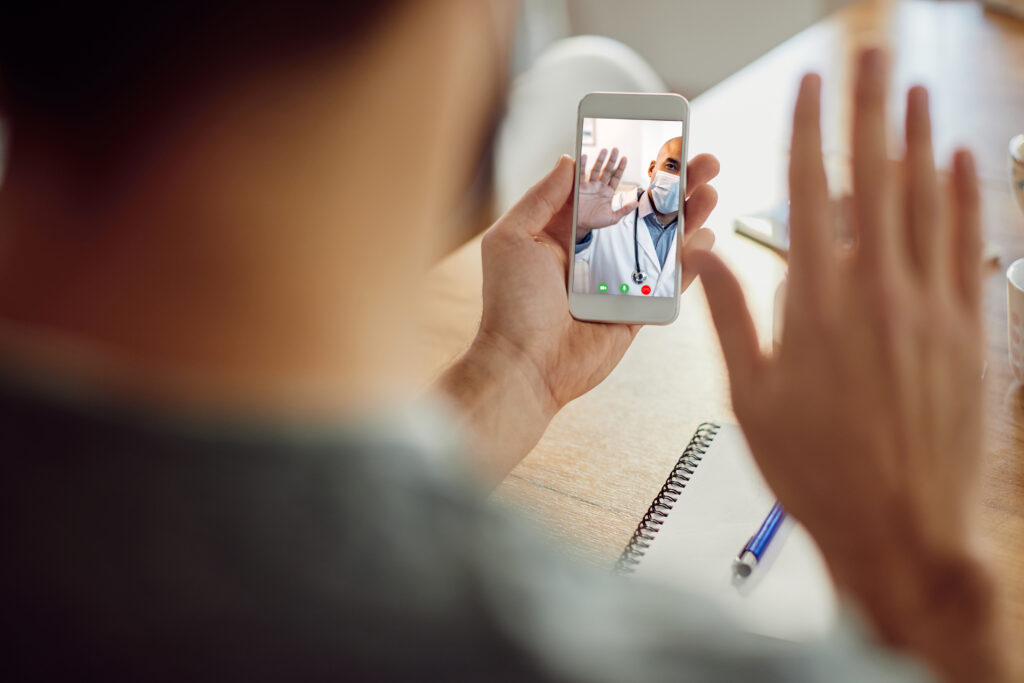
IMAGE CREDIT: freepik.es
Beyond clinical consultations, subscription models are gaining traction in broader wellness services, including mental health support, fitness coaching, and nutrition programs.
Filipino consumers are increasingly opting for digital health plans that bundle services like wellness tracking and personalized coaching.
Often linked to digital wallets, these plans enable automatic payments and seamless renewals.
The primary appeal is financial predictability; instead of paying per visit, users can manage healthcare spending through fixed monthly fees — a model that mirrors the mainstream adoption of subscriptions in entertainment and e-commerce.
Digital wallets as healthcare payment gateways
Digital wallets in the Philippines are expanding their utility far beyond retail and peer-to-peer (P2P) transfers.
Users can now pay for clinic visits and diagnostic services using mobile wallets, with QR-based payments becoming a staple in smaller clinics that lack full-scale point-of-sale (POS) systems.
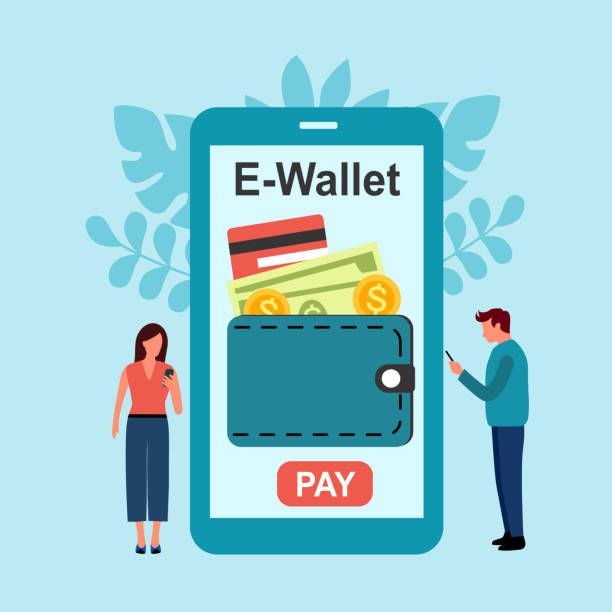
For healthcare providers, this reduces cash dependency and simplifies billing. For patients, it offers a frictionless experience.
This integration also paves the way for advanced financial products, such as installment-based payments (Buy Now, Pay Later) for medical procedures or linking health expenditures to fintech loyalty and rewards programs.
Shifting toward preventive care
The convergence of health apps and fintech could fundamentally alter healthcare behavior in the country.
Historically, Philippine healthcare spending has been largely reactive.
However, accessible payment options and integrated platforms are making preventive care more visible and manageable.
Wellness subscriptions encourage regular monitoring rather than emergency visits, while integrated payments lower the upfront barriers to entry.
This is particularly relevant for the younger, mobile-first demographic already accustomed to managing their lives through a single app.
Regulatory hurdles and data privacy
Despite the growth, the intersection of health and finance brings significant regulatory and privacy challenges. Healthcare data is hypersensitive; combining it with financial records introduces unique risks.
In the Philippines, platforms must navigate a complex web of frameworks, including the Data Privacy Act of 2012 and Bangko Sentral ng Pilipinas (BSP) regulations on electronic payments.
Ensuring secure transactions and protecting patient confidentiality will be paramount as more services migrate online. Additionally, industry leaders must address the “digital divide” to ensure these innovations do not exclude those without smartphones or stable internet access.
The bottom line: A unified digital ecosystem
The merging of health apps and digital wallets represents the next frontier of integrated digital ecosystems in the Philippines.
As fintech firms seek deeper user engagement, healthcare has emerged as a natural extension of the daily digital routine.
While still in its evolving stages, this convergence is poised to reshape how Filipinos interact with both their health and their money.
The goal for fintech firms is no longer just facilitating a transaction, but becoming an essential part of how users live, spend, and maintain their well-being.