
The Philippine government’s push toward total digital transformation is headlined by the eGovPH app — a platform marketed as the “all-in-one” solution to end the age-old burden of lining up for government services.
The promise of a unified digital portal is a big step towards improving the ease of doing business. However, recent user feedback suggests that the transition from physical queues to digital workflows remains a work in progress.
A strong first impression
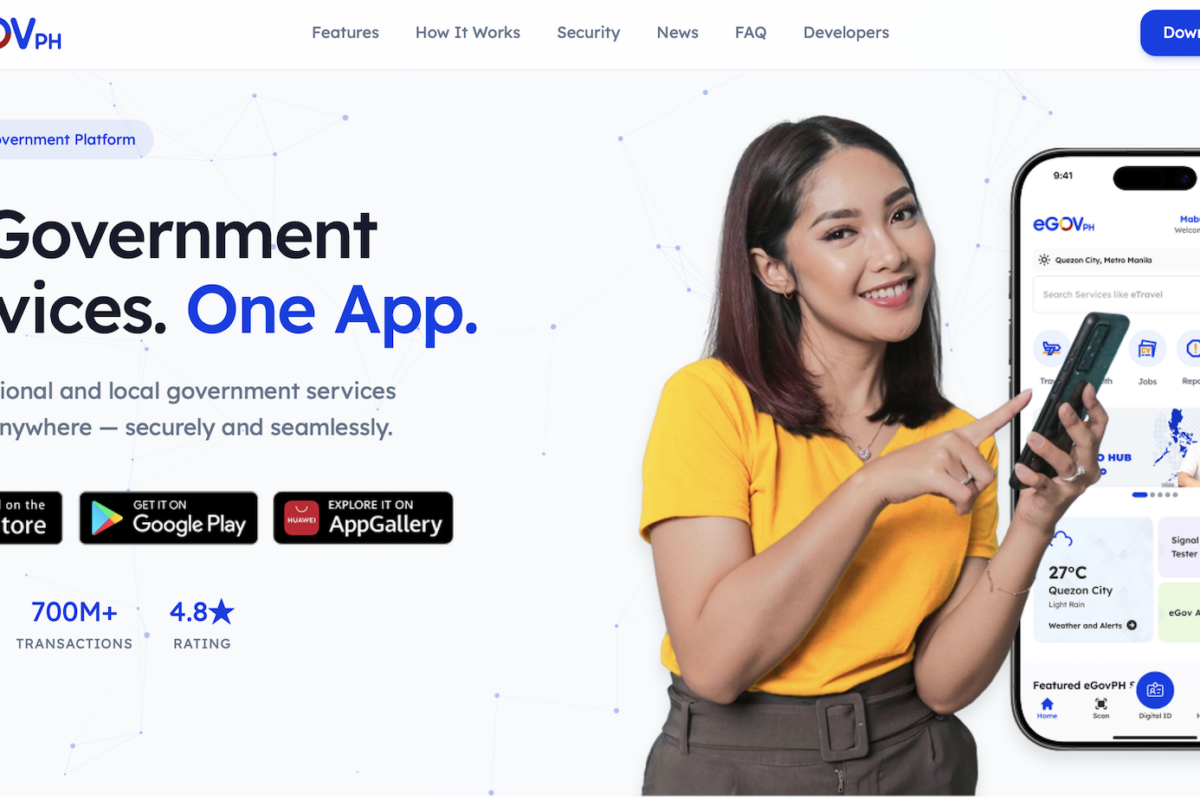
At first glance, the eGovPH app appears to follow modern UI/UX standards.
The interface is clean, intuitive, and visually aligned with global expectations for “super-apps.” The onboarding process, complete with graphic walkthroughs, effectively sets the expectation for a streamlined experience.
Filipinos download the app because of the promise of having IDs and national government services accessible on a single screen.
However, the friction begins upon registration. Reports of delayed One-Time Password (OTP) verifications and connectivity issues suggest that the app’s backend architecture is robust enough to handle the scale of national demand.
The reality gap: UX vs. technical integration
While the app’s frontend design is functional, the actual service integration is where the user experience breaks down. Users often encounter a recurring “currently unavailable” error when attempting to sync digital IDs or access specific services.
This disconnect reduces the eGovPH app may currently to a mere portal or a directory rather than a fully integrated ecosystem.
At that, its not even doing a good job. Users are redirected to an external browser to complete a transaction, the very thing users want to avoid in downloading the app.
User sentiment: A call for consistency
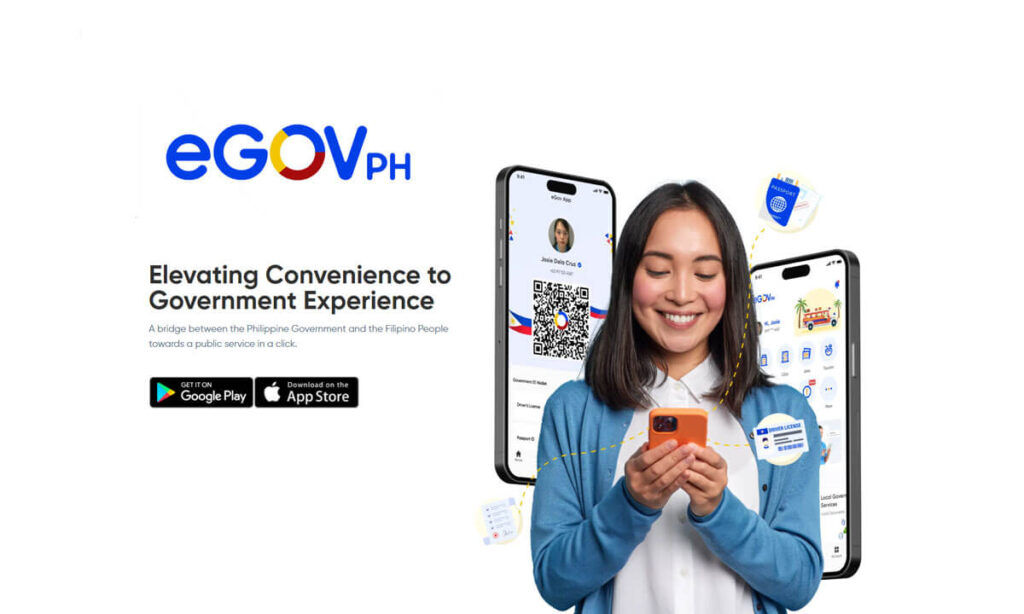
The frustration among the user base is spilling over on review platforms. This highlights the gap between government publicity and the actual experience.
A recent user reviewhighlighted the difficulty of account verification and the lack of responsive support, noting: “These testimonials serve as a reminder that digitization is not merely about changing the medium (from paper to screen) but about reforming the underlying processes. When users are met with the same bureaucracy in digital form, the innovation loses its intended value.”
The path forward: Digitization or just a glow-up?
The eGovPH app occupies a critical space in the nation’s digital infrastructure. To move from a dumb app to a genuinely essential utility, the platform must prioritize backend stability over aesthetic updates.
The government must move the eGovPH app beyond “thrashware” to a true API-level integration with the various government agencies involved. Until these disparate systems can communicate in real-time, the app will continue to feel like a digital redtape.
For now, the eGovPH app represents just a promise of a more efficient Philippines.