
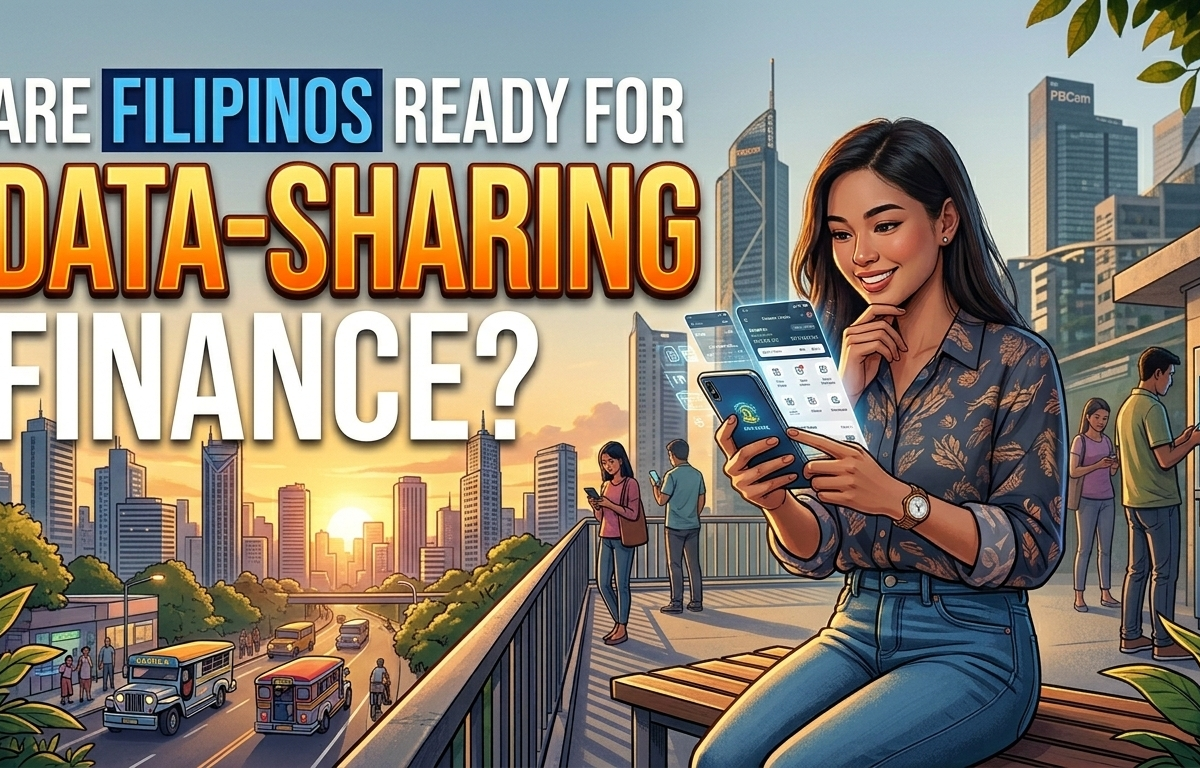
Data-sharing finance is steadily moving from concept to reality in the Philippines, as regulators and fintech players push forward with open banking initiatives designed to unlock innovation while strengthening consumer protection.
With the Bangko Sentral ng Pilipinas (BSP) rolling out its open finance roadmap, the local financial ecosystem may soon operate on a new foundation — one where customer-permissioned data powers smarter payments, faster lending, and more personalized savings solutions.
At its core, data-sharing finance allows consumers to securely share their financial data, such as transaction histories and account information, with accredited third-party providers. In return, users gain access to tailored financial products, improved credit scoring, and seamless digital experiences.
But as momentum builds, questions around privacy, cybersecurity, and readiness remain front and center.

The BSP’s open finance roadmap takes shape
The Bangko Sentral ng Pilipinas has been laying the groundwork for data-sharing finance through its Open Finance Framework, which aims to standardize how banks and financial institutions share data via secure application programming interfaces (APIs).
This framework is designed to foster competition, drive interoperability, and create a level playing field for both traditional banks and fintech startups.
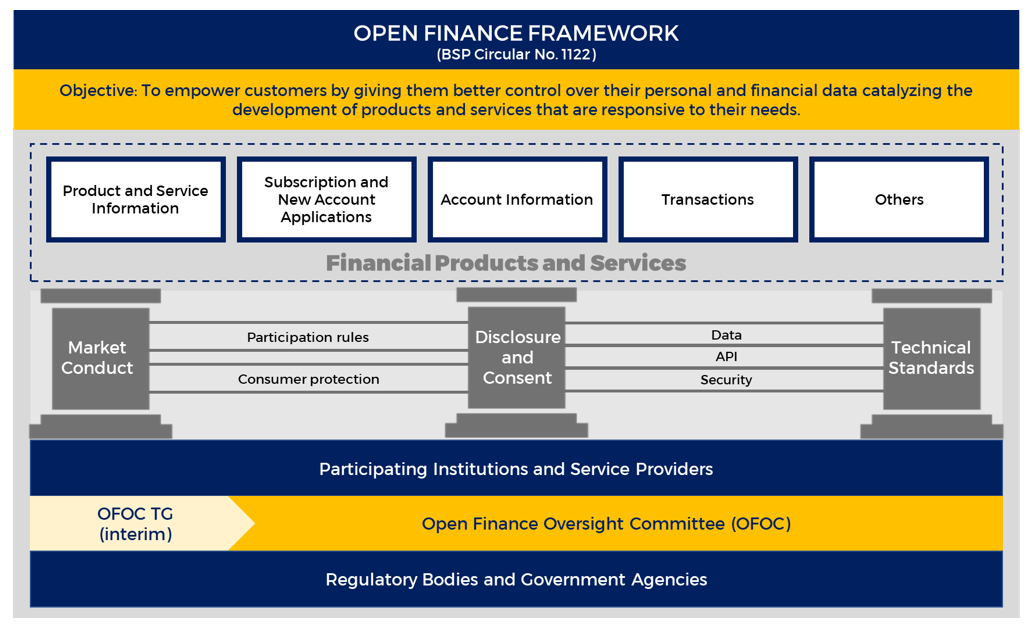
Under the roadmap, customer consent is the cornerstone.
Financial institutions are expected to adopt clear governance structures, risk management protocols, and cybersecurity measures before participating in the open finance ecosystem.
By institutionalizing these safeguards, regulators hope to build trust — a critical factor in ensuring Filipinos embrace data-sharing finance.
For incumbents, this shift signals both challenge and opportunity. Banks that once relied on proprietary data models must now prepare for a more collaborative environment. Meanwhile, fintech firms can leverage shared data to design products that better reflect the financial behavior of underserved and unbanked Filipinos.
Unlocking opportunities in payments, lending, and savings

Data-sharing finance has the potential to significantly reshape digital payments in the country. With access to broader financial data, payment providers can create smoother checkout experiences, automate recurring payments, and offer real-time financial insights to users.
This could strengthen the Philippines’ already growing cashless ecosystem.
In lending, the impact may be even more transformative. Alternative credit scoring models powered by shared transaction data can help lenders assess thin-file or credit-invisible customers.
Micro, small, and medium enterprises (MSMEs), as well as gig workers, could gain improved access to formal credit—fueling entrepreneurship and economic participation.
Savings and wealth apps also stand to benefit. With a holistic view of a customer’s financial footprint, digital platforms can recommend automated savings plans, optimize investment allocations, and provide proactive budgeting tools.
In this environment, data-sharing finance becomes more than a regulatory reform — it becomes an engine for financial inclusion and smarter money management.
Balancing innovation with privacy and trust
Despite its promise, data-sharing finance raises legitimate concerns about privacy and cybersecurity.
As more financial data flows between institutions, the risk surface inevitably expands. Consumers may worry about how their information is stored, who can access it, and what happens in the event of a breach.

To address these concerns, strong consent mechanisms and transparent data policies are essential. Financial institutions must clearly communicate how data will be used, how long it will be retained, and how customers can revoke access. Building digital literacy will also play a key role in helping Filipinos understand both the benefits and risks of participating in an open finance ecosystem.
Ultimately, trust will determine whether data-sharing finance thrives or stalls. Regulators, banks, and fintech players must collaborate to ensure that innovation does not outpace consumer protection.
A secure, interoperable system could position the Philippines as a regional leader in open banking — but only if public confidence keeps pace with technological progress.
Beyond compliance: A new financial future
Data-sharing finance represents a structural shift in how financial services are delivered in the Philippines. With the BSP’s roadmap advancing and fintech innovation accelerating, the country stands at a pivotal moment.
If implemented responsibly, open finance could expand access, improve competition, and empower consumers with greater control over their financial data.
The question is no longer whether data-sharing finance will arrive — but whether institutions and consumers alike are ready to fully embrace the opportunities it brings.