

According to the most recent report from TransUnion, a global information and insights company that makes trust possible in global commerce, the country’s video gaming industry has recorded the highest rate of digital fraud attempts in the first half of the year.
It also stated that with an overall increase in digital transactions, fraudsters have grown more prevalent as local and international firms and consumers become more accustomed to conducting their businesses online.

From January to June, the suspected rate of digital fraud in the Philippines was 8.2 percent — almost 3% higher than the global average of 5.3 percent.
Of all businesses surveyed, the video gaming sector also recorded the highest rate of suspected digital fraud attempts at 15.2 percent. This happened despite a 19.4% drop in the sector’s total number of digital transactions.
Video gaming tops the list, followed by retail and financial services sector
The retail sector, with a suspected digital fraud attempt rate of 11.3 percent, trailed the video gaming business, while financial services ranked third with 8.3 percent.
Insurance (7.1%), communities including forums and online dating (5%), logistics (4.6%), travel and leisure (3.1%), and telecommunications (2.4%) are some of the other industries.
The third quarter Philippine Consumer Pulse study of TransUnion, which examined consumer awareness of being targeted by any online, email, phone call, or text messaging fraud attempt, was conducted shortly before the release of the most current TransUnion analysis.
According to the survey, 62% of Filipinos had been the target of fraud. Just 9% of Filipinos, however, have actually fallen for the con act.
The global information company’s quarterly Philippine Consumer Pulse study explores how the personal finances of consumers have changed and what changes they expect in the future. It measures shifting consumer attitudes and behaviors based on the dynamics of income, debt, and identity theft.
The analyses and insights give consumers a voice and inform businesses’ decision-making as they seek to create more economic opportunities for consumers.
Most common fraud tactics
Cyberattacks through phishing, smishing, and money and gift cards were some of the most common fraud tactics that were used among those targeted.
Phishing is a type of cyberattack that uses disguised email to trick recipients into giving up information. When cybercriminals “phish,” they send fraudulent emails that seek to trick the recipient into clicking on a malicious link, downloading malware, or taking some other desired action.
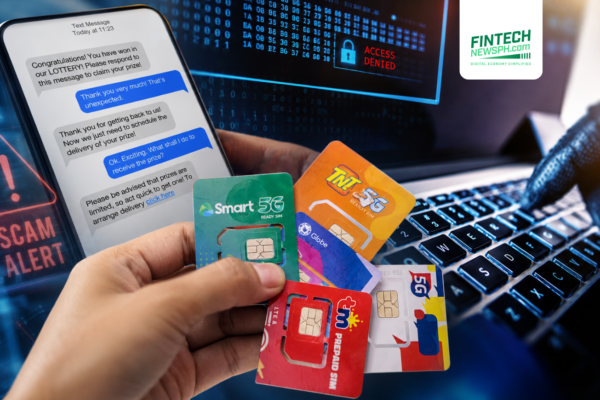
Smishing is practically the same — it simply uses text messages instead of email.
In recent years, cybercriminals have increased their number and improved their skills as minimal resources are needed to be able to incur damage.
As globalization intensifies, the path towards the digitalization of all services becomes inevitable, thus furthering innovation. However, it is now also creating more ground for cyber threat actors to operate.