
According to the World Bank, encouraging the expansion of digital service exports can aid the Philippines in overcoming its development issues.
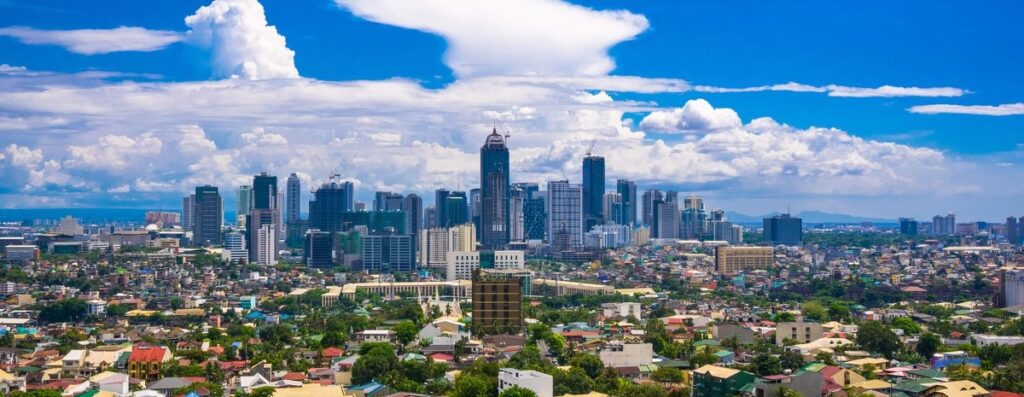
IMAGE CREDIT: https://www.worldbank.org/
The Philippines and other developing economies face future problems and global uncertainties. They will be well-positioned to handle these issues if they export digital services, according to Souleymane Coulibaly, Chief Country Economist of the World Bank and Program Director for the Group on Equitable Growth, Finance, and Institutions.
Citing a recent study, Coulibaly shared that the deployment of improved digital technology could enable better value-added services and encourage commerce.
In particular, he claimed that greater digitalization could boost the tradeability of white-collar services including professional and commercial services, as well as financial, engineering, and marketing operations.
“Across the world, exports of services — digitally traded services, in particular — offer a fast track to jobs creation and growth,” he said.
Coulibaly further claimed that the Philippines would need to solve a number of issues, including a lack of infrastructure, high trade prices, a lack of foreign direct investments, and poor learning outcomes and skills retention, in order to encourage the expansion of services exports.
“Additionally, the expansion of manufacturing and other industries is hampered by a lack of universal access to reliable and reasonably priced power and digital connectivity,” he further stated.
There’s still hope for PH
In spite of the obstacles, there is still hope for the nation.
Reforms in the telecommunications industry, in particular, he claimed, had facilitated the growth of the business process outsourcing (BPO) industry.
Over the past 15 years, the BPO industry has experienced remarkable growth and now contributes 8% of the nation’s Gross Domestic Product (GDP).
According to Coulibaly, the COVID-19 pandemic has caused the country’s digitalization to accelerate.
He adds that this development is significant since it will make it easier for small businesses to participate in the global value chain by increasing access to high-speed internet and e-commerce.
“Harnessing technological change and expanding its high-skill service sector will be critical to continued economic growth in the Philippines – and perhaps will allow it to achieve its 2040 ambitions,” the analyst explained.
By 2040, the Philippines aspires to have a thriving middle-class nation that is free from poverty.